
U.S. and India Launch Historic Partnership to Combat Global Drug Crisis
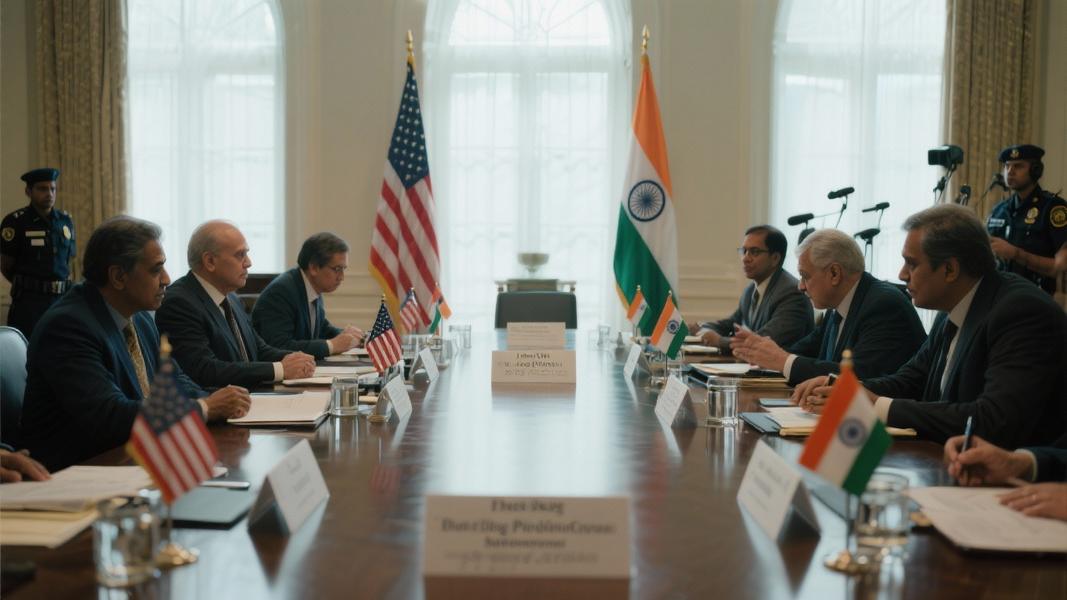
In a significant diplomatic development, the United States hosted the inaugural meeting of the U.S.-India Drug Policy Executive Working Group in Washington, D.C. earlier this week, marking a new chapter in bilateral cooperation against narcotics trafficking. The two-day summit, held January 20-21, 2026, brought together top officials from both nations to address what the U.S. now considers a “core national security priority,” according to White House documents.
High-Level Commitments
ONDCP Director Sara Carter opened the proceedings by emphasizing the personal commitment of both President Trump and Prime Minister Modi to eradicating narco-terrorism and strengthening security cooperation between the world’s two largest democracies. The working group itself was led by ONDCP Acting Deputy Director Debbie Seguin and her Indian counterpart, Narcotics Control Bureau Deputy Director General Monika Ashish Batra, who jointly pushed for what officials described as “tangible, measurable outcomes” in counter-narcotics operations.
India’s Ambassador to the United States, Vinay Kwatra, didn’t mince words about his country’s stance. “India accorded the highest priority to addressing the threat posed by narcotics trafficking and the diversion of precursor chemicals, while also balancing effective enforcement with facilitation of legitimate trade,” the ambassador stated during the opening session.
What’s driving this newfound urgency? Both nations find themselves battling increasingly sophisticated drug trafficking networks that leverage technology to evade traditional enforcement methods. The working group specifically targeted synthetic opioids and novel precursors, while acknowledging the growing misuse of digital platforms for drug distribution.
Recent Enforcement Successes
The summit follows a major breakthrough in dismantling a transnational drug trafficking syndicate that had operated across four continents. According to India’s Ministry of Home Affairs, the NCB’s HQ Operations Unit recently took down a sophisticated network that employed encrypted digital platforms, drop shipping models, and cryptocurrency to smuggle controlled medicines internationally.
“Both countries committed to strengthening bilateral cooperation to dismantle the illegal production and trafficking of illicit drugs and their precursor chemicals that threaten our communities,” noted a joint statement released after the meeting.
The balancing act isn’t simple. While cracking down on illegal drug production and distribution, officials from both nations emphasized the need to maintain legitimate pharmaceutical supply chains and trade channels. This “whole-of-government approach” aims to target criminal networks without disrupting legal commerce or access to needed medications.
For the United States, this partnership comes at a critical juncture. Director Carter’s declaration that “the drug crisis is now a core national security priority” signals an elevation of the issue beyond public health concerns to the realm of national defense.
The next meeting of the working group is expected to take place in New Delhi later this year, where officials will assess progress and expand cooperation on intelligence sharing, enforcement techniques, and regulatory frameworks aimed at staying ahead of evolving drug trafficking methods.
