
U.S. lifts tariffs on India as geopolitical chess match with Russia intensifies
Diplomatic breakthrough ties economic relief to oil commitments
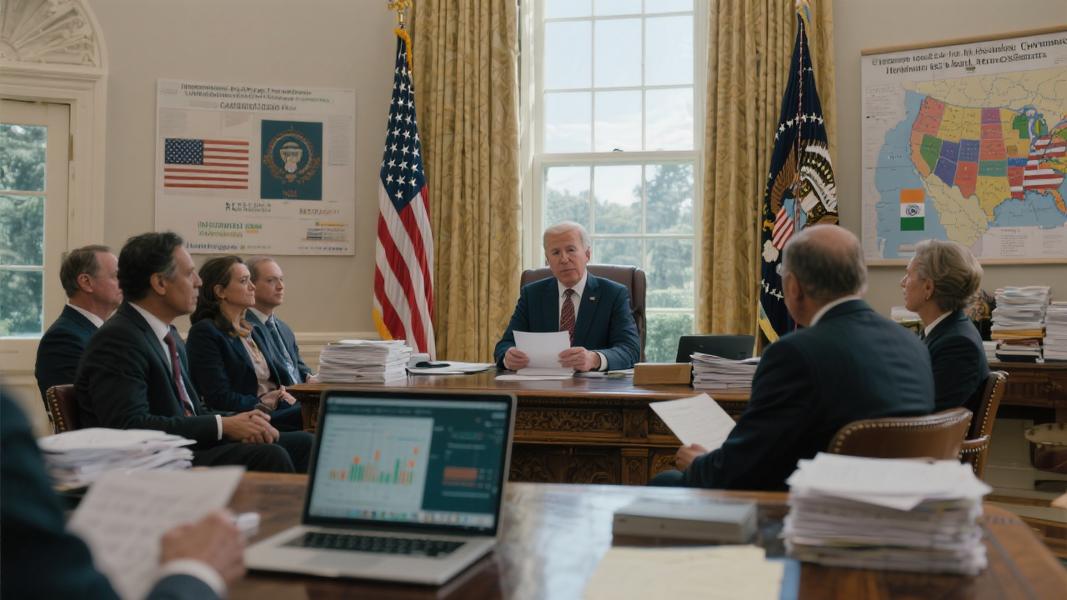
In a significant shift in U.S.-India trade relations, the White House has announced the elimination of a 25 percent ad valorem duty on Indian imports, effective February 7, 2026. The executive order, signed February 6, directly links the tariff relief to India’s commitment to stop importing Russian oil — a move that underscores the Biden administration’s intensifying efforts to isolate Moscow economically.
The decision comes amid an escalating sanctions campaign against Russia that has accelerated dramatically in the final months of Biden’s presidency. Just last month, the Treasury Department’s Office of Foreign Assets Control (OFAC) issued sweeping sanctions targeting Russia’s energy sector, including a prohibition on U.S. persons providing petroleum services to Russia effective February 27, 2025.
“In response to Russian President Vladimir Putin’s decision to formally recognize the independence of, and send troops into, the Donbas region of Ukraine, in direct contravention of the Minsk agreements, the White House imposed new sanctions late Monday, Feb. 21, 2022,” stated an analysis of the initial sanctions wave that has since expanded dramatically.
Sanctions blitz targets energy and military supply chains
What began as targeted measures has evolved into what some analysts are calling a sanctions minefield. On January 15, 2025, OFAC added nearly 100 entities to the Specially Designated Nationals (SDN) List for sanctions evasion involving Russia and China. Simultaneously, the State Department designated over 150 parties supplying critical items to Russia’s military-industrial base.
The administration’s recent actions represent a significant broadening of scope. Just five days earlier, on January 10, the U.S. government issued a determination authorizing sanctions on virtually any person operating in Russia’s energy sector — covering oil, gas, coal, and related operations.
Secondary sanctions risk has also increased substantially. Foreign entities facilitating transactions with designated Russian parties now face heightened scrutiny under Executive Order 13662, which implements provisions of the Countering America’s Adversaries Through Sanctions Act (CAATSA).
India’s strategic pivot
Why is India’s commitment to stop purchasing Russian oil so significant? For years, India has been one of Russia’s largest oil customers, providing Moscow with critical revenue even as Western sanctions tightened. The tariff relief represents a major diplomatic achievement for the Biden administration, effectively bringing India closer to the Western coalition while further isolating Russia economically.
The legal foundation for these actions traces back to Executive Order 14024, which established a national emergency for sanctions against entities furthering Russia’s harmful foreign activities. This was later expanded on April 6, 2022, when President Biden prohibited new investment and certain services to the Russian Federation.
But will these measures actually change Putin’s calculus? That remains the trillion-dollar question. A Congressional Research Service report overviewing U.S. sanctions authorities suggests that while the economic pressure is unprecedented, Russia has shown remarkable resilience in adapting to sanctions regimes.
The tariff relief for India represents a new phase in the economic battle — one that leverages trade incentives rather than just punitive measures. For American businesses, the elimination of the 25 percent duty opens new opportunities in the Indian market, while potentially reshaping global energy flows as India seeks alternative suppliers to replace Russian oil.
As the chess pieces move across the global economic board, one thing is clear: the Biden administration is determined to leave office having closed as many avenues as possible for Russian economic resilience — and it’s willing to offer significant concessions to allies who join the effort.
