
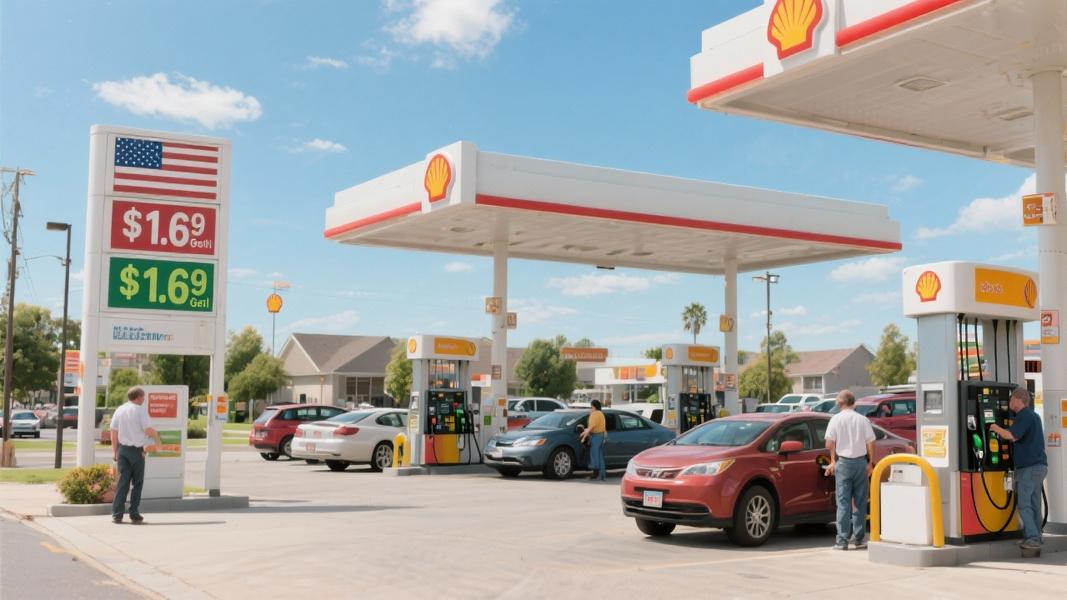
Gas prices across the United States have fallen below $3 per gallon for the first time since 2021, offering a welcome financial reprieve for millions of American drivers heading into the holiday season.
The national average for regular unleaded gasoline dropped to $2.99 on Thursday, according to data tracked by AAA, marking a significant milestone in the ongoing decline of fuel costs that peaked above $5 per gallon in June 2022. This represents a drop of nearly 12 cents in just the past week and continues a downward trend that’s been building momentum since late summer.
“We’re seeing the perfect storm of positive factors for consumers,” said Patrick De Haan, head of petroleum analysis at GasBuddy, who noted that the sub-$3 threshold carries both economic and psychological significance. “Increased oil production combined with seasonal demand drops and the switch to winter-blend fuels have all contributed to this dramatic price reduction.”
Regional Variations Remain Significant
The price relief isn’t uniform across all states. California drivers still face averages exceeding $4.40 per gallon, while states like Mississippi, Texas, and Oklahoma are enjoying averages closer to $2.60. These regional disparities largely reflect differences in state taxes, distribution costs, and environmental regulations, according to energy analysts at the U.S. Energy Information Administration.
What’s behind this welcome drop? Several factors have aligned simultaneously. Crude oil prices have retreated significantly from their post-Ukraine invasion highs, with West Texas Intermediate crude trading around $75 per barrel — down from over $120 in mid-2022. Domestic production has also increased substantially, with U.S. oil output reaching record levels above 13 million barrels per day in recent months.
For average Americans, the timing couldn’t be better. “This is essentially putting an extra $25-30 back in consumers’ pockets each month compared to what they were spending earlier this year,” said Mark Zandi, chief economist at Moody’s Analytics, who estimates that every penny decrease in gasoline prices nationwide translates to approximately $1 billion in additional consumer spending power annually.
Economic Ripple Effects
The effects extend beyond personal transportation. Shipping and logistics companies are seeing reduced operational costs, potentially easing inflationary pressures across supply chains. “When transportation costs fall, it eventually helps moderate prices for virtually everything else,” explained Claudia Sahm, former Federal Reserve economist, who believes the gas price decline represents “one of the most direct and immediate forms of inflation relief consumers can experience.”
But will these low prices last? That’s the million-dollar question. Most experts caution against expecting the downward trend to continue indefinitely. “We’re entering what’s typically the lowest demand period of the year,” said Tom Kloza, global head of energy analysis at OPIS. “But geopolitical tensions, potential OPEC+ production adjustments, or unexpected refinery issues could quickly reverse this trend,” he warned.
Indeed, history shows gas prices can be remarkably volatile. Just eighteen months ago, Americans were grappling with record prices above $5 per gallon amid post-pandemic demand surges and supply disruptions following Russia’s invasion of Ukraine.
The Biden administration, which faced intense criticism during the 2022 price spike, has been quick to highlight the current relief. “Lower gas prices mean American families have more money for other essentials,” said Energy Secretary Jennifer Granholm in a statement released Thursday. She credited the administration’s policies, including strategic petroleum reserve releases last year, for helping to stabilize markets.
Critics, however, maintain that global market forces rather than specific U.S. policies are primarily responsible for both the earlier spike and the current decline. “This is largely about increased global production meeting seasonal demand patterns,” energy analyst Daniel Yergin explained, “though U.S. production growth has certainly contributed significantly to the overall supply picture.”
Consumer Impact and Holiday Travel
For holiday travelers, the timing is particularly fortunate. AAA projects that nearly 71 million Americans will travel by car during the upcoming holiday season, and they’ll find substantial savings compared to recent years.
“I’m definitely noticing the difference,” said Maria Hernandez, a Dallas resident planning a 300-mile drive to visit family for Thanksgiving. “Last year I was budgeting almost $100 extra just for gas for holiday trips. This year that money can go toward gifts instead.”
Retailers and shopping centers are hoping these savings translate to increased consumer spending during the critical holiday season. The National Retail Federation forecasts moderate growth in holiday spending this year, with lower gas prices potentially providing consumers additional discretionary income.
As 2023 draws to a close, the sub-$3 gasoline milestone offers a rare piece of unambiguously positive economic news for consumers who have weathered significant inflation across many categories in recent years. Yet as any veteran driver knows, the only constant with gas prices is change itself.
