
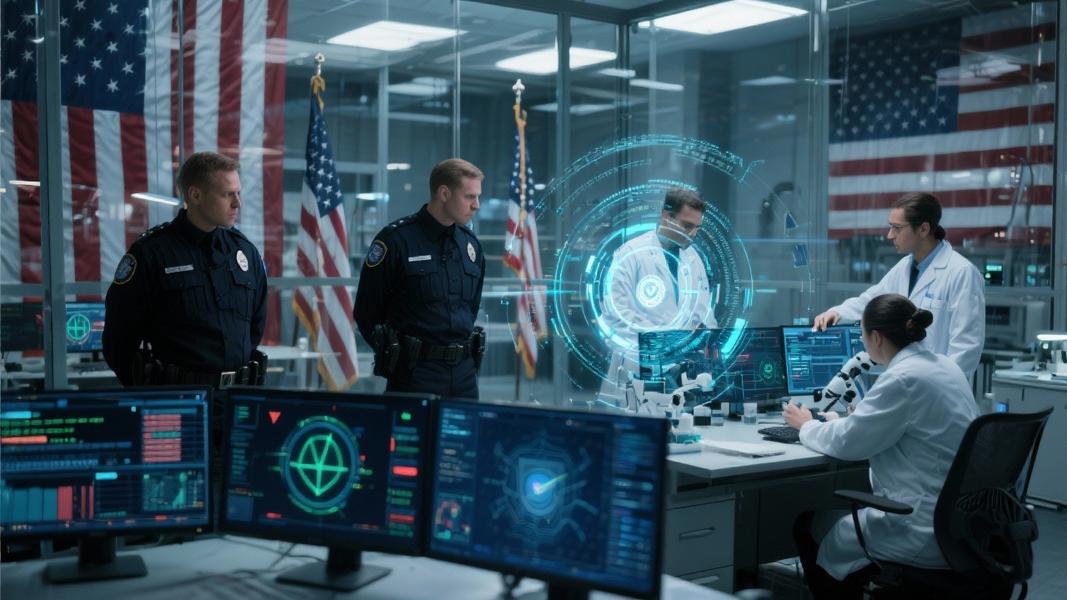
The War Department is ramping up protections for taxpayer-funded research against foreign exploitation, announcing a new department-wide initiative to shield sensitive innovation from intellectual property theft and malign influence.
Under Secretary of War for Research and Engineering Emil Michael announced the measures through a memorandum titled “Fundamental Research Security Initiatives and Implementation,” which outlines comprehensive safeguards for DoW-funded research projects. “The War Department is intensifying its efforts to safeguard taxpayer-funded research and is upholding the integrity of America’s scientific community,” Michael stated in the announcement.
Blocking Chinese Military Companies
At the heart of the new policy is a prohibition against awarding fundamental research funding to companies listed under Section 1260H of the National Defense Authorization Act — a designation that specifically targets Chinese military companies operating within U.S. borders. This restriction represents one of the most concrete steps the Department has taken to prevent adversarial access to sensitive research.
The Department isn’t stopping there. Officials will establish a department-wide Fundamental Research Risk Review Repository to centralize intelligence on potential threats, allowing different branches to share information more efficiently about suspicious activities or entities seeking access to research.
Automated Monitoring and Vetting
How will the War Department catch potential security breaches before they happen? The memorandum calls for developing automated vetting and continuous monitoring capabilities to detect foreign influence risks in DoW-funded research projects. This technological approach suggests a shift toward more proactive security measures rather than reactive investigations.
The Department will also implement annual spot checks of research awards, standardize reporting requirements for current and pending foreign support, and expand training for personnel responsible for research security. These measures come alongside a commitment to more coordinated assessments of cases highlighted by congressional oversight committees.
The timing of these measures follows increasing bipartisan concern about foreign exploitation of U.S. research institutions. While the memo doesn’t explicitly name China beyond the Section 1260H references, the focus on foreign influence and intellectual property theft aligns with broader national security concerns about Chinese access to American innovation.
Balancing Security and Innovation
Security experts have long warned about the challenge of maintaining America’s research edge while preventing adversaries from benefiting from U.S. taxpayer-funded discoveries. The War Department’s approach attempts to thread that needle — protecting sensitive work without stifling the open collaboration that often drives scientific breakthroughs.
Still, questions remain about implementation. Automated vetting systems could potentially flag legitimate international collaborations, and the Department will need to establish clear guidelines for what constitutes “foreign influence” versus normal academic cooperation.
According to the Department, these combined measures will better position it to anticipate emerging threats and adapt to evolving adversarial tactics. “The War Department will continue to secure the bleeding edge of discovery, so our warfighters remain the most lethal force on earth,” the Department stated in its announcement.
For America’s research community, the message is clear: innovation remains a national security priority, but the days of unfettered access to U.S. military-funded research are over.
