
U.S. inflation cooled slightly in January, giving Americans a modest reprieve as consumer prices rose 0.2 percent for the month and 2.4 percent annually — down from December’s 2.7 percent yearly increase, according to data released by the Bureau of Labor Statistics on Friday.
The latest Consumer Price Index (CPI) figures show inflation continuing its gradual descent toward the Federal Reserve’s 2 percent target, though core inflation — which excludes volatile food and energy prices — remains somewhat stickier at 2.5 percent over the past year, shows Fox Business data.
Energy Costs Provide Relief
Energy prices proved to be the bright spot in January’s report, falling 1.5 percent for the month and registering a slight 0.1 percent decrease over the past year. This drop helped offset increases in other categories.
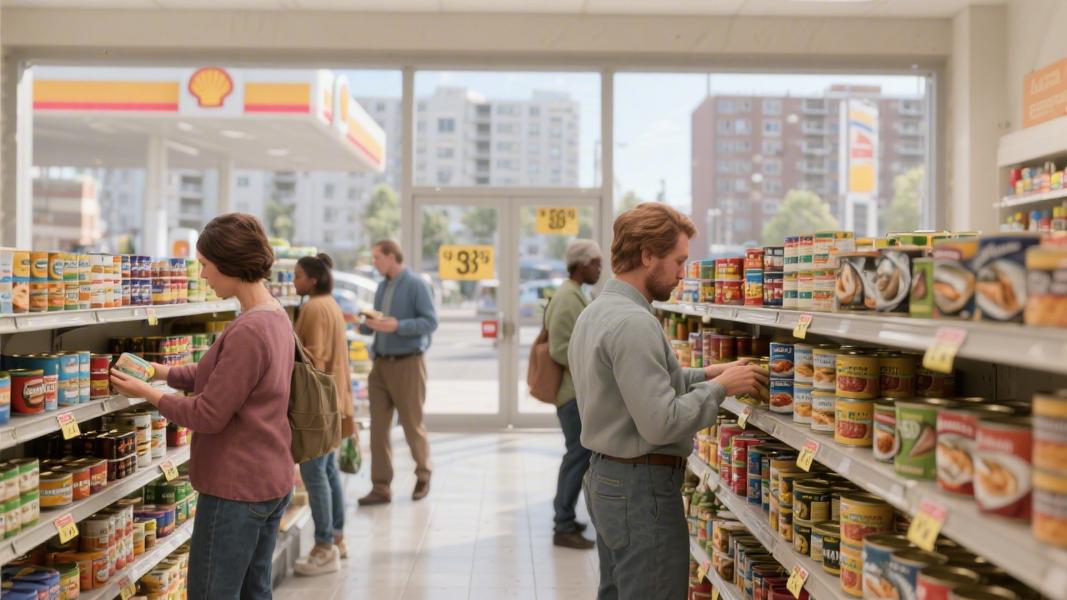
Americans saw little change in their grocery bills, with food costs inching up just 0.2 percent in January. Both food at home and dining out saw minimal increases of 0.2 percent and 0.1 percent respectively.
What’s behind these moderating figures? Economists point to several factors, including improving supply chains and the lagged effects of previous interest rate hikes. But it’s not that simple — the data may be somewhat muddied by methodology issues from late last year.
The government shutdown in the fall of 2025 forced the Bureau of Labor Statistics to use what’s called “carry-forward methodology” for October and November inflation data, potentially creating a downward bias in the numbers that’s still working its way through the system.
Political Battleground
Inflation remains a hot-button political issue as the second year of President Trump’s term progresses. Democrats have seized on the persistent price increases, with House Budget Committee Ranking Member Brendan Boyle issuing a scathing critique of the administration’s economic policies.
“Donald Trump promised he would end inflation on ‘Day One.’ Today is Day 389, and prices are higher than ever,” Boyle stated. “Instead of keeping his promise, Trump has increased the costs Americans pay through his massive tariff taxes — the highest tariffs since the Great Depression. Ordinary Americans simply can’t afford Trump’s reckless economic policies.”
The White House has countered by highlighting the downward trend in headline inflation and pointing to external factors beyond their control.
For everyday Americans, the 2.4 percent annual increase means they’re still paying more than they were a year ago, though the pace of those increases has slowed. Housing, healthcare, and services continue to be areas where consumers feel the pinch most acutely.
As the Federal Reserve weighs its next moves, January’s report provides another data point suggesting inflation is moderating — but not quickly enough to declare victory in the battle against rising prices.
