
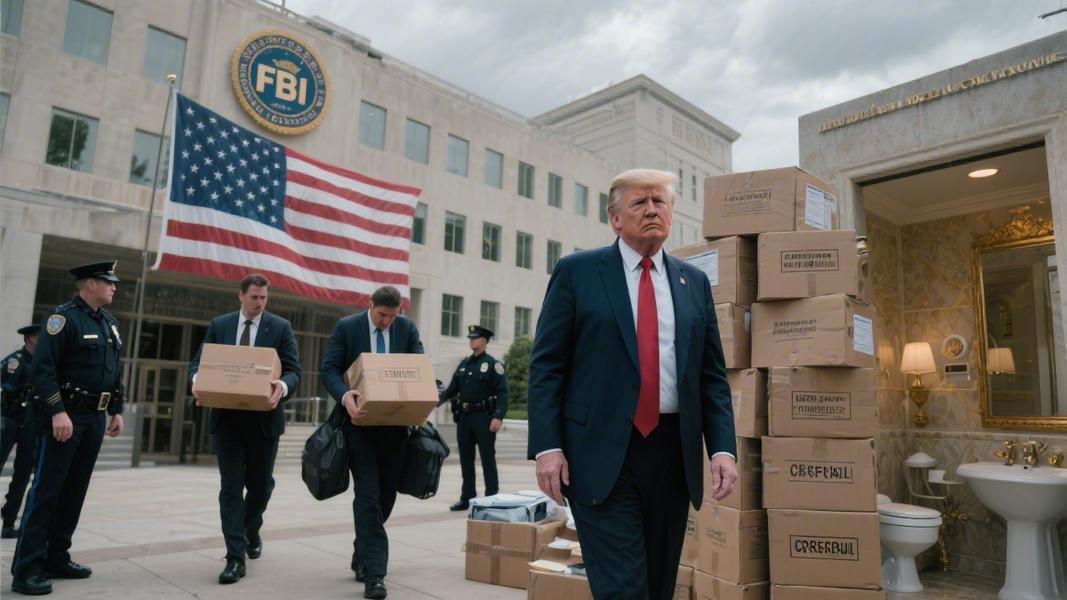
At least ten FBI employees were fired Wednesday — all of them tied to one of the most politically charged investigations in recent memory: the classified documents case stemming from former Special Counsel Jack Smith’s probe into President Trump’s handling of government records after leaving the White House in 2021.
The terminations, which targeted agents and analysts specifically involved in the Mar-a-Lago documents investigation, mark the latest and most direct purge yet of federal law enforcement personnel connected to cases brought against the president. It’s a move that critics say crosses a line — and that defenders will almost certainly frame as long-overdue accountability.
Who Was Fired — and Why It Matters
Every one of the dismissed employees had a direct role in the classified records case, according to sources familiar with the situation. Not peripheral figures, not bureaucratic bystanders — these were the agents and analysts who actually worked the investigation. CBS News reported that the firings were confirmed by multiple sources Wednesday, though the precise chain of authority behind the decisions hasn’t been fully disclosed.
That’s the thing about these dismissals — they don’t exist in a vacuum. They come after months of mounting tension between the Trump administration and career federal law enforcement, and after repeated signals from the White House that loyalty to institutional process would not insulate anyone from scrutiny. Whether that’s a feature or a bug, depending on who you ask, is almost entirely a matter of politics at this point.
The FBI Agents Association Pushes Back
The response from the FBI Agents Association was swift and unusually blunt. The organization condemned the firings outright, arguing they violated the due process rights of the affected employees. But the statement went further than procedural complaint — it framed the terminations as a genuine threat to national security. “These actions weaken the Bureau by stripping away critical expertise and destabilizing the workforce,” the Association warned, adding that the firings risk “undermining trust in leadership and jeopardizing the Bureau’s ability to meet its recruitment goals — ultimately putting the nation at greater risk.”
That’s not boilerplate language. Associations like this one don’t typically reach for phrases like “putting the nation at greater risk” unless they mean it — or at least want the public to understand they believe it.
A Pattern, Not an Isolated Incident
Still, the firings don’t appear to be random. They’re surgical in a specific way: every person let go was linked to a single, specific case. Not the January 6th investigation. Not the New York hush money trial. The Mar-a-Lago documents case — the one that was ultimately dismissed before reaching a verdict. That precision is either reassuring or alarming, again depending entirely on your priors.
What isn’t debatable is the institutional weight of what happened Wednesday. Firing experienced agents and analysts doesn’t just remove individuals — it removes institutional knowledge, case familiarity, and years of specialized training. You can’t replace that overnight, and the FBI’s ability to recruit future talent may hinge, in part, on whether prospective agents believe their careers can survive a change in administration.
For now, the dismissed employees have no confirmed path to appeal, and the full scope of any broader personnel review remains unclear. Ten is the number confirmed so far. It may not be the final one.
