
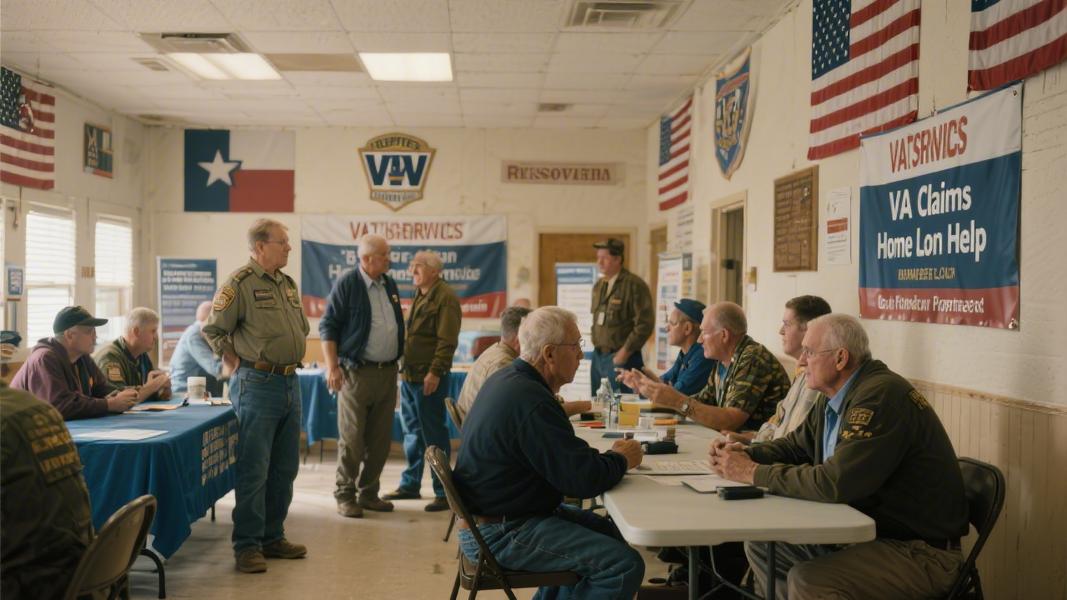
When it comes to navigating the labyrinth of veteran benefits, most former service members will tell you the same thing: knowing where to start is half the battle.
That’s the reality facing thousands of veterans across Fort Bend County — and why an upcoming community benefits fair is drawing attention from advocates, county officials, and veteran service organizations alike. The event, designed to connect veterans directly with the agencies and resources they’ve earned, reflects a growing push across Texas to bring services to people rather than forcing people to chase services.
What’s at Stake
Fort Bend County has one of the fastest-growing populations in the entire state of Texas. With that growth comes a significant — and often underserved — veteran community. Many former service members in the region report confusion, delays, and bureaucratic dead-ends when attempting to access benefits through the U.S. Department of Veterans Affairs and related programs. Events like this one exist precisely because the system, as currently designed, doesn’t always make it easy.
Still, it’s worth noting what these fairs can actually accomplish when done right. At their best, they’re not just informational — they’re transactional. Veterans leave with claims filed, appointments scheduled, and questions answered by people who know the system from the inside.
A Growing Model Across Texas
The push to hold localized veteran outreach events has been gaining momentum statewide. The Texas General Land Office, which administers a range of veterans programs including housing assistance and the Veterans Land Board, has increasingly partnered with county governments and organizations like the Veterans of Foreign Wars to host community-level events. It’s a model that sidesteps the frustration of online portals and phone trees — and, judging by attendance at similar events across the state, veterans are responding.
In Nueces County, a Veterans Claims Summit held in Robstown drew significant participation from veterans who had gone years without filing for benefits they were legally entitled to. Advocates there said a surprising number of attendees were simply unaware of what they qualified for — not unwilling, just uninformed. Fort Bend organizers are banking on a similar dynamic.
Who Shows Up — and Why It Matters
So who actually attends these things? The answer, veteran service officers will tell you, is more varied than you’d expect. It’s not just recently discharged service members trying to get their footing. It’s Vietnam-era veterans who’ve never filed a claim. It’s surviving spouses asking about survivor benefits for the first time. It’s caregivers who didn’t know a program existed until someone handed them a flyer at a county fair.
That breadth matters. The VA’s own data has long suggested that a substantial portion of eligible veterans — particularly older ones and those in rural or suburban areas — are not receiving benefits they’ve earned. For a county like Fort Bend, which straddles the suburban sprawl southwest of Houston and stretches into less densely connected communities, outreach events can serve as a genuine lifeline rather than a routine civic checkbox.
The Broader Context
This kind of event doesn’t happen in a vacuum. Across the country, veteran advocacy groups have intensified pressure on both state and federal agencies to improve claims processing times, reduce backlogs, and make benefits more accessible to underserved populations — including women veterans, veterans of color, and those dealing with service-connected mental health conditions. Texas, with one of the largest veteran populations in the nation, sits squarely at the center of that conversation.
The Texas Veterans Commission has expanded its outreach staff in recent years, and county-level veteran service offices have seen increased funding in some regions. But resources remain uneven, and the gap between what’s available on paper and what veterans actually receive in practice remains stubbornly wide. Community benefits fairs, imperfect as they are, have become one of the more reliable tools for closing that gap — at least locally, at least temporarily.
What to Expect
Events of this type typically bring together a range of agencies and organizations under one roof — VA representatives, state program administrators, legal aid providers, and nonprofit veteran service organizations. The goal is to reduce friction: instead of a veteran making five phone calls to five different offices, they walk through one door and find most of those offices waiting for them. It sounds simple. In practice, the logistics of pulling it off are considerable.
For veterans who’ve been putting off filing a claim — whether out of frustration, uncertainty, or just the relentless press of daily life — an event like this can be the nudge that finally gets it done. That’s not nothing. In fact, for a veteran who’s been quietly living with an unaddressed service-connected disability, it could mean the difference between financial stability and years more of unnecessary struggle.
Looking Ahead
Fort Bend County’s veteran population, like the county itself, is only going to grow. The question isn’t whether more outreach is needed — it clearly is. The question is whether these events become a consistent, well-resourced part of the county’s veteran services infrastructure, or whether they remain one-off moments of access in a system that still makes too many veterans work too hard for what they’ve already earned.
As one veteran services officer put it at a similar event last year: “Most of these folks don’t want a handout. They want what was promised.” That’s a sentiment worth carrying into every room where veterans and bureaucracy finally sit down together.
