
Twenty-seven girls and camp counselors are dead, and investigators say every single one of those deaths could have been prevented. That finding sits at the center of a growing firestorm over what went wrong at Camp Mystic during the catastrophic July 2025 flash floods in Texas — and what’s still being left unaddressed.
An investigative report has concluded that leadership delays, absent emergency training, missing safety equipment, and deeply flawed planning all contributed to the tragedy. Most damning: evacuation wasn’t initiated until more than 90 minutes after the National Weather Service had already issued a flash flood warning. By then, it was too late for 27 people. The camp, a beloved summer institution in the Texas Hill Country, now faces a reckoning that is equal parts legal, legislative, and moral.
A Camp Without a Safety Net
How unprepared was Camp Mystic? Investigators found deficiencies in 22 separate categories during an audit of the camp’s emergency plan. The list reads like a checklist of things that simply shouldn’t be missing at a facility responsible for hundreds of children: no FEMA floodplain maps on hand, no working emergency warning system, no designated staff member assigned to monitor National Weather Service alerts, and no formal process for notifying parents that their children were even located in a floodplain. That last one is particularly striking. Parents sent their daughters to this camp without knowing the ground beneath the cabins was federally designated flood-prone land.
And then there’s the equipment — or the lack of it. “That’s just unthinkable that these girls would have no training. And again, just the real lack of equipment, no radios, no walkie-talkies, no phones, which we can agree is, you know, that they needed radios,” critic Garrett said. No radios. No walkie-talkies. In the middle of the night, during a rapidly rising flood, staff had no reliable way to communicate with each other or call for help.
Staff weren’t just poorly equipped — they were poorly prepared. Investigators found that camp personnel were not familiar with the camp’s own emergency action plans. Those plans, experts note, have to be practiced — drilled, rehearsed, internalized — to be of any use when something goes wrong at 2 a.m. in the dark and the water is rising. The Association of State Floodplain Managers has highlighted this “camp gap” as a systemic problem that extends well beyond Mystic.
The State Steps In — With a Deadline
Texas Health and Human Services isn’t letting this slide quietly. The department issued an 11-page notice giving Camp Mystic 45 days to correct nearly two dozen deficiencies in its flood emergency plan before it can even be considered for a license to reopen. The notice covers everything from faulty evacuation routes to a complete absence of procedures for campers with access and functional needs.
The department’s letter was explicit on that last point. “The plan should include clearly defined procedures for assisting individuals with access and functional needs, such as assigning specific staff to provide assistance, establishing a buddy system, ensuring accessible evacuation routes, accommodating assistive devices, addressing transportation needs, and ensuring emergency warnings are accessible,” the department wrote. That’s a long list of basics that weren’t there.
Still, a 45-day window to fix an emergency plan is just paperwork. It doesn’t bring anyone back, and it doesn’t necessarily guarantee the changes will be meaningful rather than cosmetic. That concern is quietly hanging over the entire process.
Courts and Lawmakers Enter the Picture
The legal front is moving in parallel. In March 2026, a judge ordered Camp Mystic to preserve damaged areas of the camp’s grounds as evidence in lawsuits filed by victims’ families. The camp cannot simply clean up, rebuild, and move on — at least not until the courts have had their say. Families are pursuing accountability through litigation even as the regulatory process grinds forward.
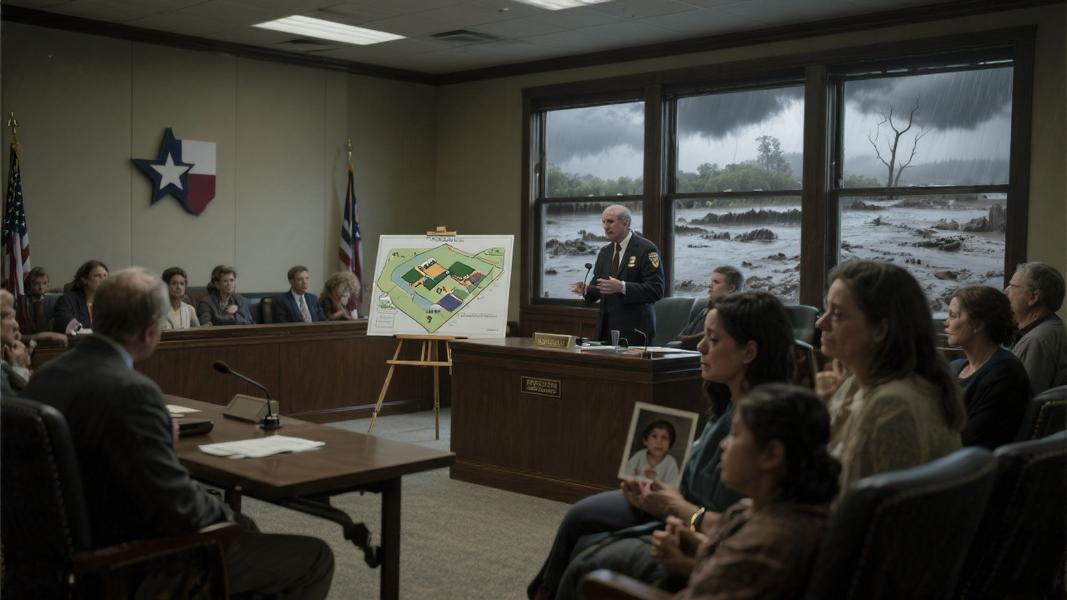
Meanwhile, Texas lawmakers have been holding live hearings on the disaster, taking testimony on the ongoing inquiry into what happened that night and why. The legislative scrutiny adds yet another layer of pressure on a camp — and perhaps an entire industry of youth camps operating in flood-prone areas across the state — to answer hard questions.
A Warning That Came Too Late
Here’s what makes this especially difficult to sit with: the warning system worked. The National Weather Service did its job. A flash flood warning was issued in time for an evacuation to begin. But nobody at Camp Mystic moved for more than 90 minutes. There was no one monitoring alerts. There was no system to sound an alarm. There were no radios to coordinate a response. The information existed. The response didn’t.
That gap — between the warning and the action — is where 27 people died. And until camps across Texas and the rest of the country are held to enforceable standards that close it, the question isn’t whether something like this could happen again. It’s where.
