
He was taking his kids to school. That’s when ICE agents moved in.
On the morning of March 13, 2026, Mohammad Nazeer Paktiawal — a 41-year-old Afghan man who had risked his life working alongside U.S. Special Forces — was arrested by Immigration and Customs Enforcement agents outside his home in Richardson, Texas. His children were with him. Less than 24 hours later, he was dead. Paktiawal collapsed in custody complaining of chest pain and shortness of breath, was rushed to Parkland Hospital, and died on March 14. His death is now under investigation — and it’s touched off a wave of grief, outrage, and urgent questions about what’s happening inside immigration detention facilities across the state.
A Community Left With Questions
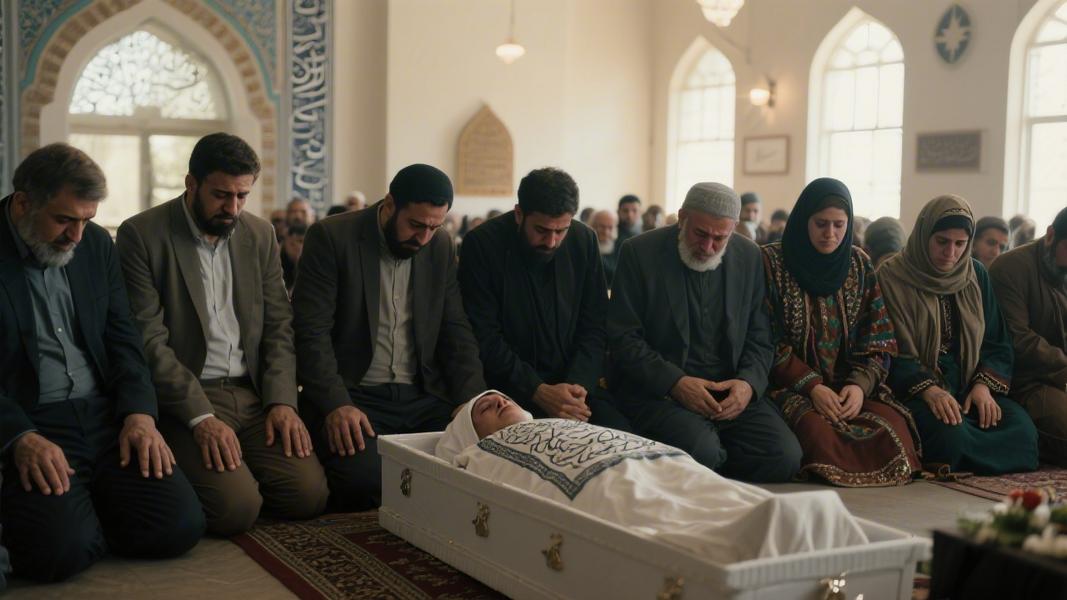
For those who knew Paktiawal, the shock hasn’t worn off. He was a father of six, a husband, a man who worked at an Afghan bakery and had completed an asylum interview. One of his children is a U.S. citizen. He had a pending asylum case and valid work authorization at the time of his arrest. His story, by most accounts, was the kind America used to hold up as a reason to fight — and yet here we are. “We have thousands of questions and no answers yet,” said Asad Noorzay, a community member and close friend of the family, as documented by local journalists covering the return of his body to a Richardson mosque.
ICE has offered a partial explanation. Agents cited a criminal history that included a charge for SNAP fraud over $200, filed on September 16, 2025, and a theft charge from November 1, 2025. Neither charge resulted in a conviction. North Texas Congresswoman Julie Johnson, who visited the detention facility after Paktiawal’s death, relayed what agents told her: “Well, according to the agents at the facility today, they said that he… his legal status had expired, that he had not renewed the process to stay here with his permit intact,” she told reporters. It’s a bureaucratic explanation. Whether it’s a sufficient one is another matter entirely.
A Brother’s Plea
Paktiawal’s brother, Naseer Paktiawal, has been direct about what he wants. Not a visa. Not a settlement. Just accountability. “All I want,” he said, “I want justice for my brother. I don’t need anything else from this government.” The statement cuts through the noise with a clarity that policy language rarely manages.
Advocacy groups have rallied around the family. Shawn VanDiver, president of #AfghanEvac — an organization that has maintained contact with Paktiawal’s wife and children — didn’t mince words. “It’s unacceptable,” VanDiver stated in an interview. That’s a sentiment echoing across the Afghan diaspora and veteran advocacy communities, many of whom see this case as a particular betrayal — the death of a man who stood with American soldiers now dying in American custody.
The Bigger Picture Is Grim
How bad is it? Consider this: Paktiawal’s death is at least the seventh ICE in-custody death in Texas alone since December 2025. Nationally, it’s the twelfth such death in 2026 — a pace that averages out to roughly one death every six days. That’s not a statistic that should scroll past without pause. Advocates and civil liberties organizations are now calling on the DHS Office of Inspector General to open an independent investigation into conditions across the detention system, as noted by local broadcasters covering the story.
Still, investigations take time. Families don’t get that luxury. Paktiawal’s wife is now raising six children — one of them an American citizen by birth — without her husband. The bakery where he worked has lost a colleague. And a community in Richardson is trying to make sense of how a man who helped U.S. forces in Afghanistan ended up dying in a Texas detention facility while his kids waited to be dropped off at school.
A Promise America Made
That’s the catch, isn’t it? The U.S. government spent two decades asking Afghans like Paktiawal to take extraordinary risks — to be translators, informants, partners — with an implicit promise of protection in return. The chaotic 2021 withdrawal strained that promise nearly to breaking. Cases like this one raise the question of whether it was ever meant to hold.
For now, his family is burying him. And Naseer Paktiawal is waiting — not for a green card or a government check, but for something far simpler and far harder to deliver: an answer for why his brother isn’t coming home.
