
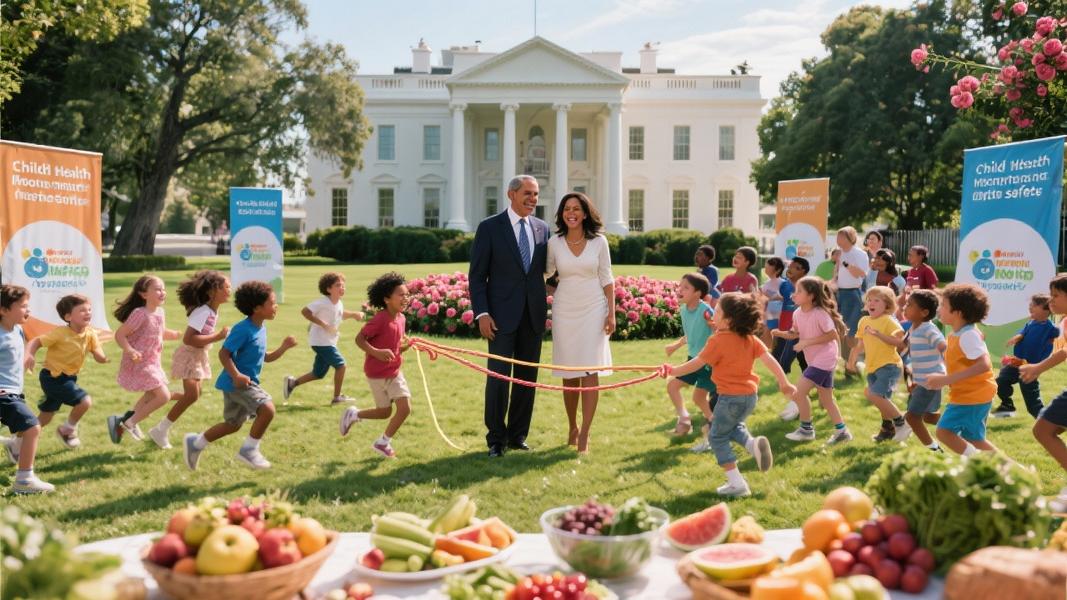
The Biden Administration unveiled a sweeping child health initiative Monday, positioning the fight against a “dramatic rise” in chronic childhood illnesses as a national priority that demands immediate, multi-agency action.
In a proclamation marking Child Health Day 2025, the President pledged his administration is “committed to protecting the health and well-being of every American child, equipping our youngest citizens to lead long and fulfilling lives, and keeping the American spirit alive and flourishing for years to come.” The declaration comes amid growing concern over increasing rates of autism, autoimmune disorders, obesity, diabetes, allergies, and mental health challenges among American youth.
A New Approach to Chronic Disease
At the center of the initiative is the Make America Healthy Again (MAHA) Commission, established by Executive Order in February. The commission, chaired by the Secretary of Health and Human Services, brings together representatives from across federal agencies to tackle what many health experts have described as a health crisis among America’s youth.
Rather than focusing solely on treatment, the MAHA Commission takes aim at root causes. “This includes fresh thinking on nutrition, physical activity, healthy lifestyles, over-reliance on medication and treatments, the effects of new technological habits, environmental impacts, and food and drug quality and safety,” according to the Executive Order text.
Why such a dramatic shift in approach? The administration points to alarming trends in childhood health statistics that suggest conventional medical interventions alone aren’t solving the problem.
The commission’s report, released in May, identified five key contributors to childhood chronic disease: poor diet, environmental chemical exposure, lack of physical activity, stress, and what it terms “overmedicalization” — particularly the widespread prescription of “SSRIs, antipsychotics, mood stabilizers, and weight loss drugs as a primary approach to child health issues.”
From Ultra-Processed to Whole Foods
Among the most ambitious targets in the initiative is America’s food system. The MAHA Commission has signaled plans to revise the Dietary Guidelines for Americans, with an emphasis on reducing ultra-processed foods in children’s diets.
“Starting with reducing chemical exposure and the flood of ultra-processed foods that pollute children’s plates and returning to real, whole foods that nourish instead of weaken,” reads the Child Health Day message, which also announced the return of the Presidential Fitness Test in schools.
The commission’s first 100 days focused heavily on food and nutrition policy, including efforts to ban petroleum-based dyes and update school food programs. However, health policy analysts note significant challenges remain in implementing these changes across the food industry and public school system.
FDA Commissioner Dr. Marty Makary has voiced strong support for the initiative’s preventative approach. “We need to move from a reactive to proactive approach in tackling root causes of childhood chronic diseases,” he said in a statement following the commission’s formation.
Digital Safety Joins Physical Health Concerns
The administration has also positioned digital safety as a critical component of child health. Earlier this year, the President signed the TAKE IT DOWN Act, legislation championed by First Lady Melania Trump that provides protections against digital exploitation, including deepfake abuse.
“This law provides critical protections for American children against digital exploitation, including deepfake abuse, and strengthens safeguards for their online privacy and mental health,” the President noted in Monday’s proclamation.
The inclusion of digital safety measures alongside traditional health concerns reflects growing awareness of technology’s impact on childhood development and mental health.
EPA Administrator Lee Zeldin emphasized the initiative’s environmental component, stating, “I look forward to continuing to work collaboratively across the federal family to ensure our kids and our environment are protected.”
While the initiative has received bipartisan support for its goals, questions remain about implementation timelines and funding mechanisms. The commission has recommended further research on nutrition, lifestyle interventions, and precision toxicology — suggesting a long road ahead in addressing what many public health officials now view as an epidemic of childhood chronic illness.
As one administration official put it off the record: “We’ve spent decades treating symptoms. Now we’re finally asking why so many kids are getting sick in the first place.”
