
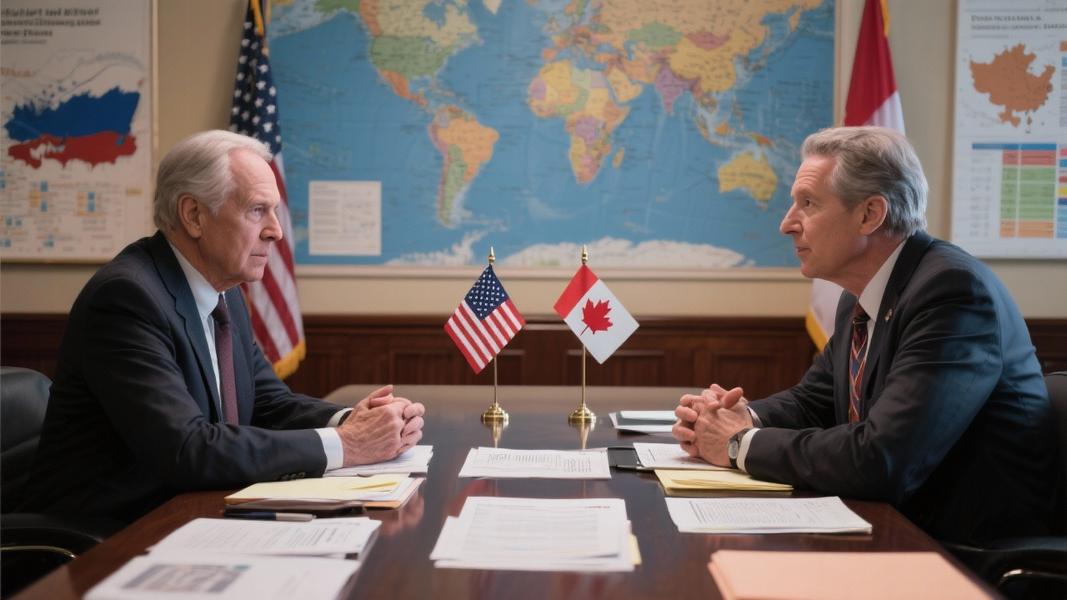
U.S. Treasury Secretary Scott Bessent and Canadian Finance Minister François-Philippe Champagne huddled this week amid growing tensions over automotive tariffs, as the economic superpowers navigate an increasingly complex trade relationship worth hundreds of billions annually.
The high-level meeting comes at a critical juncture for North American trade relations. Despite the United States’ 25% tariff on automobiles and certain auto parts imposed earlier this year under Section 232 of the Trade Expansion Act, Canada remains America’s largest export market for passenger vehicles and light trucks in 2025.
Automotive Sector at Crossroads
The automotive industry sits at the center of bilateral tensions. Canada has emerged as the largest market for U.S.-made vehicles, creating a delicate balancing act for policymakers on both sides of the border.
“The integrated nature of our automotive supply chains can’t be overstated,” said a Treasury Department official speaking on background. “When you slap tariffs on one side, the pain radiates throughout the entire North American manufacturing ecosystem.”
Still, over 85% of trade between the two nations remains tariff-free thanks to USMCA exemptions, according to trade experts monitoring the situation. This has cushioned some of the economic blow that might otherwise have been felt more severely.
Energy Drives Trade Deficit
What’s behind America’s persistent trade deficit with its northern neighbor? In a word: energy.
The U.S. continues to run a significant trade deficit with Canada in 2025, primarily driven by substantial energy imports including crude oil and natural gas, data shows. This energy relationship has remained remarkably stable despite shifts in other sectors.
Canadian officials have privately expressed frustration over being labeled a trade adversary while supplying critical energy resources to American markets. “We’re not just any trading partner,” one Canadian diplomat noted. “We’re your most reliable energy supplier and closest ally.”
Agricultural Bright Spots
Beyond automobiles and energy, agricultural trade represents a bright spot in bilateral relations. U.S. dairy exports to Canada have surpassed $8 billion annually, creating significant opportunities for American farmers – particularly those in border states.
The agricultural sector has benefited from specific provisions within the USMCA that opened previously protected Canadian markets. Dairy farmers in Wisconsin and New York have been among the biggest beneficiaries, though Canadian producers continue to express concerns about market disruption.
“Our agricultural relationship is truly symbiotic,” said a U.S. Trade Representative spokesperson. “While we compete in certain areas, we complement each other in many others.”
Looking Forward
Neither treasury department has released detailed readouts of the Bessent-Champagne meeting, but sources familiar with the discussions indicate both sides emphasized the need for cooler heads to prevail.
The stakes couldn’t be higher. With supply chains already strained by global disruptions and inflation concerns lingering in both economies, maintaining predictable trade flows remains paramount.
As one veteran trade negotiator put it: “The U.S. and Canada can fight like siblings, but at the end of the day, neither can afford to move out of the house. The economic integration is just too deep.”
