
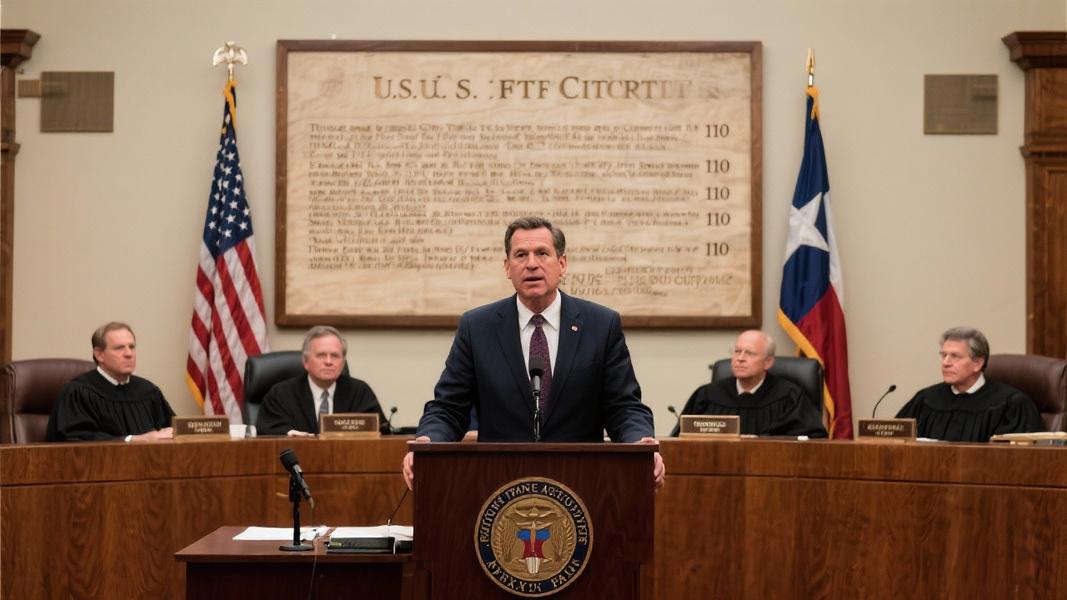
Texas Attorney General Ken Paxton has taken aim at one of the world’s most popular gaming platforms used by children. On Thursday, Paxton filed a lawsuit against Roblox Corporation, alleging the company has systematically ignored state and federal online safety laws while exposing Texas children to exploitation and grooming.
The lawsuit represents the latest salvo in what appears to be a growing legal battle between state officials and social media companies over child safety concerns. Texas joins Louisiana and Kentucky, which have launched similar legal actions against the platform in recent months.
Digital Playground or Predator’s Paradise?
“We cannot allow platforms like Roblox to continue operating as digital playgrounds for predators where the well-being of our kids is sacrificed on the altar of corporate greed,” Paxton stated in announcing the lawsuit.
The gaming platform, which boasts millions of users worldwide, markets itself as a safe digital space fostering creativity and imagination. But according to Paxton’s office, the reality is far more troubling. The company stands accused of allowing predators to exploit its platform while prioritizing profits over children’s safety.
In his characteristically blunt style, Paxton added: “Roblox must do more to protect kids from sick and twisted freaks hiding behind a screen. Any corporation that enables child abuse will face the full and unrelenting force of the law.”
Roblox Pushes Back
The company has expressed disappointment over the lawsuit, emphasizing its commitment to user safety. “We believe that we are at our best when we are working collaboratively with policymakers,” Roblox responded in a statement that appeared to suggest a preference for cooperation rather than courtroom confrontation.
Is Roblox doing enough? The company points to having implemented over 145 safety measures on its platform during this year alone and plans to roll out new facial age verification technology aimed at preventing users from misrepresenting their age.
But for child safety advocates, these measures may be too little, too late. The Center for Child Protection in Austin has highlighted that children face significant online vulnerabilities. “Children are online now more than ever, which leaves them vulnerable to risks like grooming, exposure to explicit content, and cyberbullying,” the organization noted.
Part of a Broader Crackdown
The action against Roblox isn’t happening in isolation. In January, Paxton’s office sued TikTok over comparable concerns, suggesting a broader strategy targeting platforms popular with younger users.
Political observers see these lawsuits as reflecting genuine concerns while also resonating with voters. Rice University political science professor Mark P. Jones observed, “If those sites are not doing a good job vetting their users and monitoring their users, they could very well be used by predators to lure unsuspecting children.”
The tension between innovation and safety continues to define the digital landscape where children increasingly spend their time. For parents, platforms, and policymakers alike, the challenge remains finding the right balance between digital opportunity and adequate protection – a balance that, at least in Texas, will now be debated in court.
