
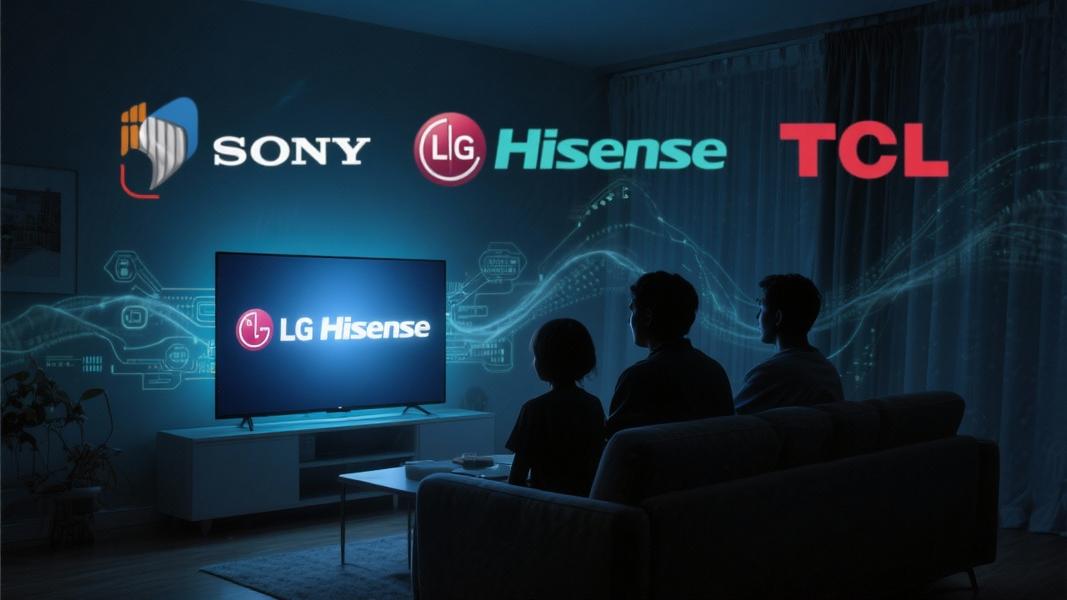
Your smart TV might be watching you just as much as you’re watching it. In a dramatic escalation of the battle over consumer privacy, Texas Attorney General Ken Paxton has filed lawsuits against five major television manufacturers, accusing them of secretly spying on Texans inside their homes.
The legal action targets Sony, Samsung, LG, Hisense, and TCL for allegedly using Automated Content Recognition (ACR) technology to monitor viewing habits without proper consent. According to the lawsuits, these smart TVs capture screenshots as frequently as every half-second, creating a detailed profile of everything displayed on screen that can be sold to advertisers.
“Companies, especially those connected to the Chinese Communist Party, have no business illegally recording Americans’ devices inside their own homes,” Paxton declared in a statement accompanying the filings.
The Technology Behind the Controversy
Just how intrusive is this surveillance? The lawsuits contend that ACR technology essentially turns your living room into a data collection center, with TVs taking digital snapshots every 500 milliseconds. This creates a real-time record of not just what shows or movies you’re watching, but potentially any content displayed on your screen — including personal photos, private messages, or sensitive information.
Paxton didn’t mince words about the practice, stating that “this conduct is invasive, deceptive, and unlawful.” The legal complaints emphasize that many consumers have no idea their viewing habits are being so closely monitored or that their data is being monetized.
Deceptive Practices Alleged
The heart of the legal challenge centers on violations of the Texas Deceptive Trade Practices Act. The manufacturers are accused of inadequately disclosing these surveillance capabilities and employing what privacy experts call “dark patterns” — manipulative user interface designs that trick consumers into consenting to data collection they might otherwise reject.
Think you opted out? The lawsuits suggest that may not be enough. According to documents filed with the court, manufacturers deliberately make privacy settings confusing and difficult to navigate, ensuring most users will simply click “agree” without understanding the implications.
Privacy advocates have long warned about smart devices creating surveillance networks inside our homes. But the scale and granularity of data collection alleged in these lawsuits — capturing images twice every second — goes beyond what many consumers might reasonably expect.
For the TV manufacturers, the business model is straightforward: collect valuable viewing data and sell it to advertisers who can then target consumers with unprecedented precision. For users, however, the arrangement is far less transparent.
International Dimensions
Notably, Paxton’s statement specifically calls out companies with connections to China. Two of the defendants — Hisense and TCL — are Chinese corporations, adding a geopolitical dimension to what might otherwise be seen as strictly a consumer protection case.
The question now becomes: Will other states follow Texas’s lead? California, with its strict consumer privacy laws, could be next to examine these practices. Meanwhile, the manufacturers will likely argue that consumers have technically consented to these data collection practices by accepting terms of service — even if those terms were buried in legalese and presented in ways designed to discourage close reading.
For now, privacy-conscious consumers might want to consider the old-fashioned solution: a TV that isn’t quite so smart. Or at the very least, one that doesn’t watch you back.
