
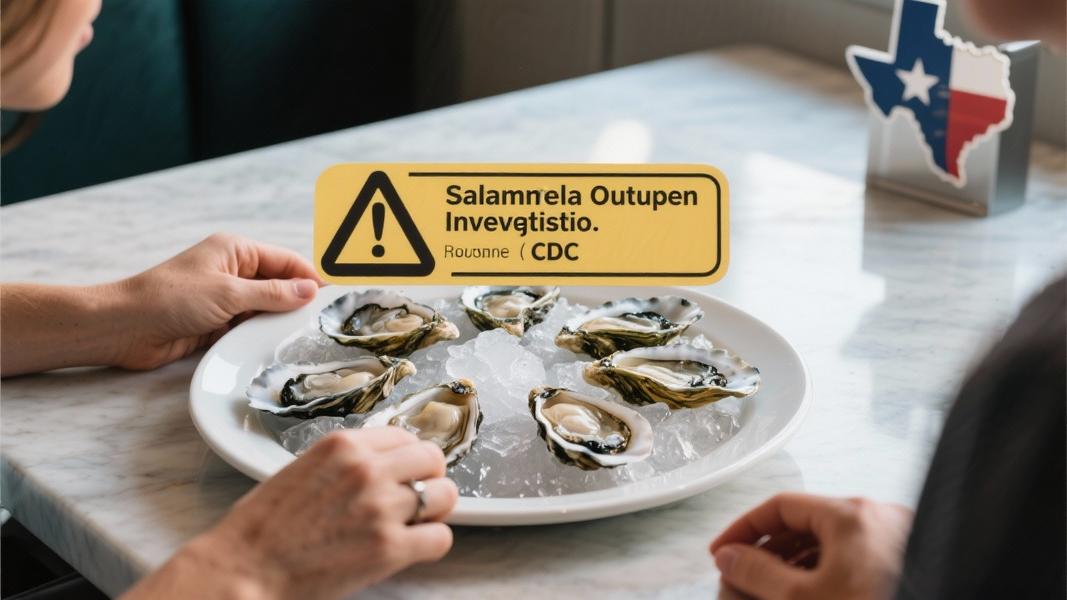
Raw oysters linked to a nationwide Salmonella outbreak have sickened dozens and sent an unusually high number to hospitals, federal health officials warned this week. The contamination has spread across nearly half the country, putting a damper on holiday seafood celebrations.
The Centers for Disease Control and Prevention is investigating the outbreak that has infected 64 people across 22 states, with 20 hospitalizations reported so far. No deaths have been confirmed, but the hospitalization rate has raised concerns among health officials.
“People in this outbreak are being hospitalized at a higher rate than expected when compared to other Salmonella outbreaks linked to oysters,” the CDC noted in its latest update.
A Widespread Problem
Maine is among the states affected by the outbreak, which has health officials scrambling to identify a common source. Of the 27 infected individuals interviewed by health authorities, a striking 74% reported eating raw oysters before falling ill.
The CDC and FDA are currently working to determine if all the cases can be traced back to a specific oyster supplier or region. “People in this outbreak are reporting eating raw oysters. CDC and FDA are working to determine if a common source of oysters can be identified,” according to the agency’s statement.
Think adding hot sauce or a squeeze of lemon will kill the germs? Think again. Health officials emphasize that these common accompaniments don’t eliminate harmful bacteria. The only reliable way to reduce risk is through cooking.
Year-Round Risk
While many seafood enthusiasts follow the old adage of only eating oysters in months containing the letter “R” (September through April), the CDC stresses that the timing doesn’t actually matter. “Raw oysters can be contaminated with germs at any time of year,” according to health officials.
Symptoms of Salmonella infection typically include diarrhea, fever, and stomach cramps, which can begin anywhere from six hours to six days after consuming contaminated food. Most people recover without treatment after four to seven days, but some cases require hospitalization, particularly in vulnerable populations like young children, older adults, and those with weakened immune systems.
The investigation remains active, with health officials continuing to track new cases while working to identify the contamination source. For now, the safest approach might be putting those raw oyster plans on ice — or at least in the oven.
