
America is flexing its fitness muscle like never before. A staggering 80% of Americans participated in sports and fitness activities last year, marking an all-time high according to a comprehensive report released in 2025.
This fitness boom isn’t just about more people hitting the gym — it’s about a fundamental shift in how Americans approach exercise, with social media platforms like TikTok becoming unexpected fitness influencers and technology transforming workout routines across generations.
Social Media Transforms Workouts
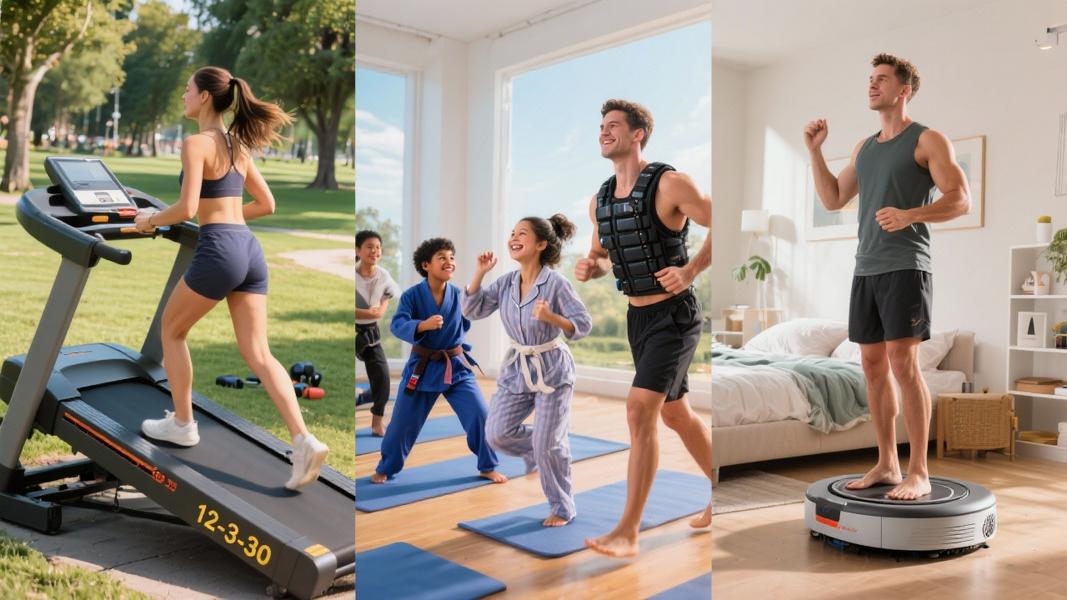
The 12-3-30 treadmill workout has become a sensation, offering what many consider a perfect balance between accessibility and results. The concept is deceptively simple: walk on a treadmill at a 12% incline at 3 mph for 30 minutes. But the science behind it is compelling — it burns approximately 10 calories per minute with 41% energy derived from fat, compared to running’s 13 calories per minute with just 33% from fat.
“Walking at 12-3-30 is certainly more intense than walking on a flat surface, but is less intense than a run,” explains Maelee Wells Sutton, a certified personal trainer at Crunch Fitness, who has observed the trend’s staying power among clients seeking sustainable fitness options.
Another trend that’s taken social media by storm? Weighted vests. These military training staples have garnered over 30 million TikTok views under #weightedvest, with users praising their ability to increase calorie burn and cardiovascular demand during otherwise routine activities.
Sports scientist Dr. Mark Kovacs notes that “they’ve been used for decades in athletic and military training, but social media has helped reintroduce them to mainstream fitness.” The accessibility factor can’t be overlooked — adding resistance without requiring additional equipment or specialized training has appealed to fitness enthusiasts at various levels.
From Martial Arts to Morning Jumps
Jiu-jitsu has emerged as a family-friendly fitness option that doubles as self-defense training. What’s remarkable about this martial art’s resurgence is its multi-generational appeal. “We have students starting as young as 3 years old and as old as 87 continuing their training,” says Joaquim Valente, whose approach follows a 7-5-3 code emphasizing spiritual, mental, and physical wellness.
Need something simpler to start your day? TikTok’s 50-jump wake-up ritual might be the answer. The trend involves exactly what it sounds like — jumping 50 times immediately after waking up, which proponents claim increases heart rate, blood flow, and oxygen to the brain.
Creator Kathryn Smith’s candid admission might explain why this trend has caught on: “I am a lazy person by nature. I always have been. I’m never gonna do something that I don’t want to do.” Her honesty has resonated with millions seeking accessible entry points into daily exercise.
Technology Leads the Way
Is technology the real MVP of the fitness revolution? The American College of Sports Medicine seems to think so, naming Wearable Technology as the number one fitness trend for 2025 in its survey of 2,000 professionals. Mobile Exercise Apps and Exercise Programs for Older Adults rounded out the top three trends.
Remote personal training has experienced a particularly dramatic surge, with a 414% increase in interest this year. This shift reflects broader changes in how Americans approach fitness — prioritizing flexibility, personalization, and technology-driven innovation.
The numbers tell a compelling story. The global virtual fitness market, valued at $16.4 billion in 2022, is projected to expand at a compound annual growth rate of 26.72% through 2030. That’s not just growth — it’s a transformation of an entire industry.
A New Fitness Era
What’s driving this unprecedented interest in fitness? Experts point to several factors: the lingering effects of pandemic-era health consciousness, technological innovations making fitness more accessible, and social media’s ability to rapidly spread workout trends across demographics.
The democratization of fitness is perhaps the most significant shift. No longer confined to gyms or requiring expensive equipment, today’s most popular workout trends emphasize accessibility and sustainability over intensity and complexity.
As Americans continue embracing these diverse approaches to physical activity, one thing becomes clear: fitness in 2025 isn’t just about looking good — it’s about feeling good, connecting with others, and finding routines that fit seamlessly into increasingly complex lives.
