
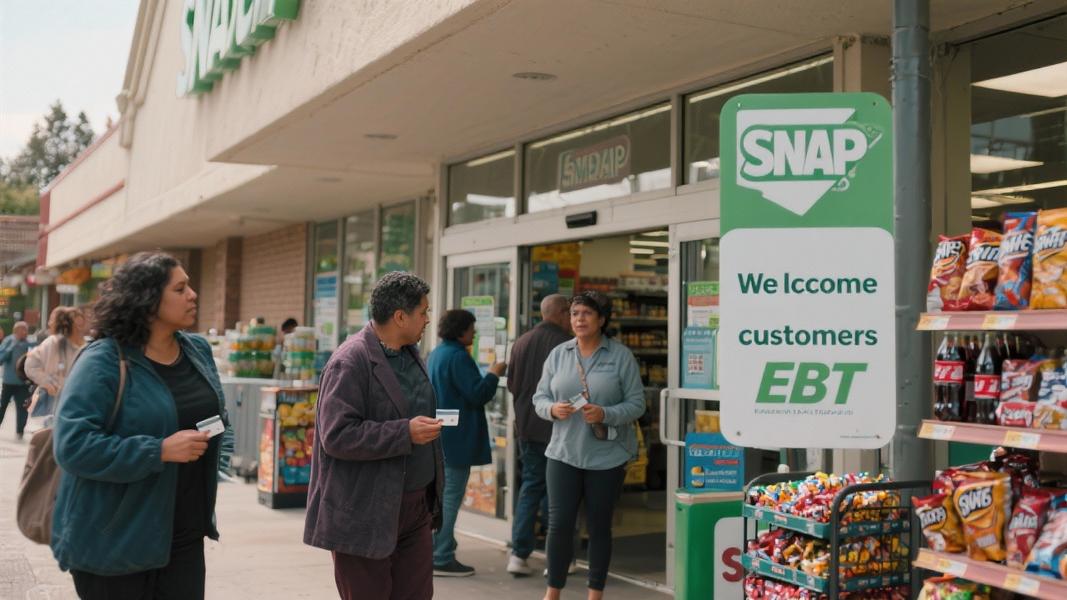
Millions of Americans who rely on food stamps will soon face new restrictions on what they can buy at the grocery store, as 18 states roll out bans on using benefits for soda, candy and other junk food over the next two years.
Starting January 1, 2025, SNAP recipients in Indiana, Iowa, Nebraska, Utah, and West Virginia will be the first to experience these new limitations under the Make America Healthy Again (MAHA) initiative. Thirteen more states will follow with their own restrictions in 2026, creating what amounts to the most significant overhaul of the food stamp program in decades.
“Under the MAHA initiative, we are taking bold, historic steps to reverse the chronic diseases epidemic that has taken root in this country for far too long,” said Secretary of Agriculture Brooke Rollins, who has approved waivers for states seeking to limit what can be purchased with SNAP benefits.
Which States Are Implementing Restrictions?
The initial five states implementing restrictions on January 1 will be joined by a much larger wave in 2026. Arkansas, Colorado, Florida, Hawaii, Idaho, Louisiana, Missouri, North Dakota, Oklahoma, South Carolina, Tennessee, Texas, and Virginia have all received federal approval to restrict certain purchases beginning at various points in 2026.
By the end of 2026, nearly twenty states will have implemented SNAP purchase limits, affecting millions of the program’s 42 million participants nationwide.
Health and Human Services Secretary Robert F. Kennedy Jr. praised the state-level actions, saying, “Thank you to the 18 governors who are leading the charge on SNAP reform to restore the health of Americans—especially our kids. Their courageous leadership is exactly what we need to Make America Healthy Again.”
What’s Being Restricted?
The restrictions vary by state but generally target sugary drinks, candy, and processed snacks. Colorado, for instance, will ban soft drinks, while Florida’s restrictions — set to take effect April 20, 2026 — will prohibit soda, energy drinks, candy, and prepared desserts, according to details published by benefit tracking service Propel.
Arkansas will ban soda, candy, and fruit drinks with less than 50% real juice content. Other states have similar restrictions planned, with specific implementation dates varying throughout 2026.
The USDA says the restrictions target items that don’t align with the program’s nutritional mission. “SNAP is a Supplemental Nutrition Program meant to provide healthy food benefits to low-income families to supplement their grocery budget so they can afford the nutritious food that’s essential to health and well-being,” Rollins explained.
Why Now?
The push comes amid growing concern about how the $100 billion annual program’s dollars are spent. According to Rollins, approximately 20% of SNAP benefits currently go toward sugary drinks, pre-packaged desserts, salty snacks, and sugary treats.
“One way is by not allowing taxpayer-funded benefits to be used to purchase unhealthy items like soda, candy and other junk food,” Rollins said. “The number one purchase by SNAP recipients is sugary drinks.”
The SNAP program, which currently provides an average of $190.59 monthly per person, has long been a political football in debates about government spending and public health. But the current wave of restrictions represents an unprecedented shift in how the program operates.
Critics worry the restrictions may stigmatize recipients or create confusion at checkout counters. Supporters counter that taxpayer dollars shouldn’t subsidize foods that contribute to chronic health conditions, especially when those conditions disproportionately affect low-income Americans.
As the first wave of restrictions takes effect in January, all eyes will be on those initial five states to see how implementation affects both retailers and the millions of Americans who depend on SNAP benefits to feed their families.
