
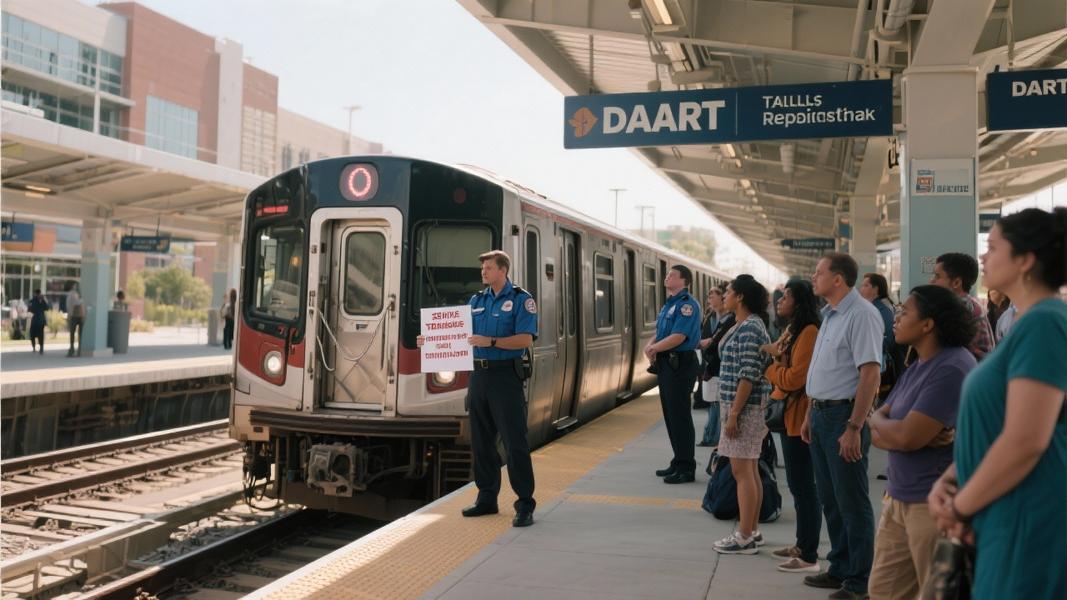
Five Dallas-Fort Worth cities face a transportation crossroads as they prepare to vote on whether to completely withdraw from Dallas Area Rapid Transit (DART), a decision that could leave thousands of commuters stranded and disrupt regional transit plans ahead of the 2026 FIFA World Cup.
University Park, Highland Park, Irving, Farmers Branch, and Plano have until May 2, 2026, to hold withdrawal elections that could end all DART services in their jurisdictions. If residents vote to leave, the transit agency would cease operations in those cities immediately after votes are canvassed.
“Five Dallas-Fort Worth cities have until May 2nd to vote on whether to leave Dallas Area Rapid Transit all together,” a recent report confirmed. The consequences would be swift and far-reaching, with buses, trains, and paratransit services grinding to a halt the very next day after official election results are certified.
Ripple Effects Across North Texas
What happens when one part of an interconnected transit system suddenly disappears? DART officials warn the impacts would extend well beyond city boundaries.
More than a dozen rail stations would close if the withdrawals occur, including Belt Line Station, Downtown Plano Station, Farmers Branch Station, Irving Convention Center Station, and several others throughout the affected areas, according to transit planning documents.
DART’s Vice President of Service Planning & Scheduling explained that even cities that remain with DART would feel the effects. “Generally, the services would continue, but they’d either be shortened or stops would be discontinued,” the official stated. “Initially, we’d continue. Then the longer term, look at the financial situation. The staff down the road will have to make some decisions later, over a period of time, about what other adjustments, if any, are needed.”
World Cup Complications
The timing couldn’t be more problematic. These potential service disruptions would come just as North Texas prepares to welcome the world for the 2026 FIFA World Cup in June, when DART is expected to serve as a critical transportation provider for the international sporting event.
“The news comes ahead of the 2026 FIFA World Cup in June, which DART is expected to be a big transportation provider for,” transportation officials noted, raising questions about how visitors will navigate the region if key transit links suddenly vanish.
Why Leave?
The suburban exodus stems largely from financial grievances. Many of these communities believe they contribute substantially more in sales tax funding than they receive back in transit services. Satisfaction levels with DART have reportedly remained low among some suburban residents who feel the system primarily benefits Dallas proper while leaving their communities underserved.
For decades, these cities have contributed one cent of their sales tax to DART, amounting to millions of dollars annually. That revenue has helped build one of the nation’s largest light rail systems, but questions persist about whether the investment has paid off equally for all member cities.
Still, the immediate cessation of services raises concerns about transit-dependent residents who may suddenly find themselves without transportation options. Seniors, people with disabilities, and those without vehicles could face significant hardships if paratransit and regular routes disappear overnight.
As the May 2 deadline approaches, both DART officials and city leaders face mounting pressure to communicate the potential consequences of these votes to residents who might not fully grasp how quickly their transportation landscape could change.
