
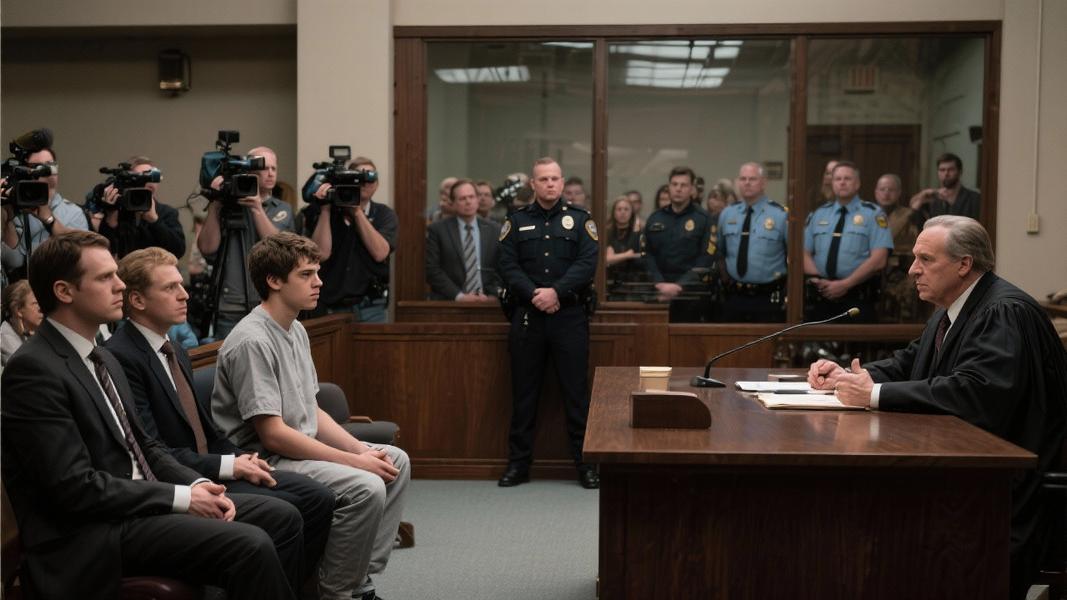
In a case that has gripped the nation since last year, the man accused of assassinating conservative political figure Charlie Kirk is now seeking to disqualify prosecutors, citing a potential conflict of interest that defense attorneys claim could undermine the entire case.
Tyler Robinson, the 22-year-old Washington, Utah resident charged with aggravated murder in Kirk’s shooting death, appeared in court this week as his defense team raised serious questions about the prosecution’s impartiality. Robinson allegedly shot Kirk from approximately 140 yards away during an event at Utah Valley University in Orem on September 10, 2025, in what prosecutors have characterized as a politically motivated killing.
Family Connection Raises Eyebrows
At the heart of the defense’s motion is an unexpected family connection. Defense attorneys claim that an 18-year-old child of a deputy county attorney was present at the event and texted their father about it — a situation they say “raises serious concerns about past and future prosecutorial decision-making in this case.” The revelation has added another layer of complexity to a case already fraught with political tension.
The stakes couldn’t be higher for Robinson. Prosecutors have indicated they plan to seek the death penalty, pointing to what they describe as clear evidence of political motivation behind the shooting.
Courtroom Appearance Becomes Contentious
How a defendant appears in court can subtly influence perceptions of guilt or innocence — and Robinson’s team knows it. A recently released 97-page transcript from an October 24 closed-door hearing reveals an intense debate over whether Robinson should appear in restraints during court proceedings, with his defense arguing that shackles could create prejudice among jurors and observers.
Judge Tony Graf ultimately prohibited media from showing Robinson in restraints, though the decision came after considerable back-and-forth between the parties. The transcript offers a rare glimpse into the procedural battles happening behind the scenes in high-profile cases.
“Without access, people’s imaginations about what is going on behind those closed doors is almost always wilder than the reality,” noted one observer familiar with the case, highlighting the importance of transparency in such proceedings.
Widow Advocates for Transparency
Amid the legal wrangling, Kirk’s widow has emerged as an advocate for courtroom cameras and transparency throughout the trial. Her position stands somewhat at odds with typical victim family preferences in high-profile cases, where privacy concerns often dominate.
The defense’s motion to disqualify prosecutors comes as both sides prepare for what will likely be a lengthy and contentious legal battle. Legal experts suggest that such motions, while uncommon, are not unheard of in cases where potential conflicts could compromise the integrity of the proceedings.
Court observers have noted the unusual nature of the case’s proceedings thus far, with extensive documentation of even relatively routine matters like courtroom attire becoming subjects of formal hearings and judicial rulings.
As the case moves forward, both the prosecution and defense appear to be leaving no procedural stone unturned — a reflection, perhaps, of just how much rides on the outcome for all involved.
