
For nearly a century, Edward Conrad has been a name etched into the annals of American military service — or rather, several names with striking similarities have created a web of service records that span generations of U.S. military history.
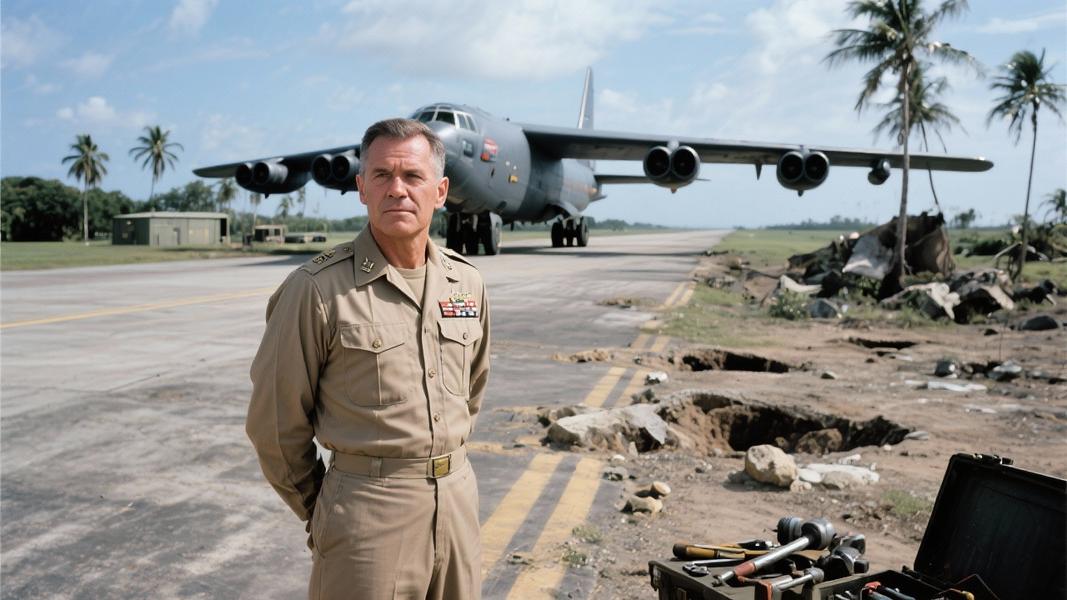
The story begins with Senior Master Sergeant Edward Conrad, who at just 17 years old joined what was then called the U.S. Army Air Forces in 1935, well before America’s entry into World War II. His remarkable career would span three major conflicts — World War II, Korea, and Vietnam — as documented in veterans’ records. As part of the 7th Bombardment Wing, Conrad was responsible for regenerating B-52 aircraft returning from combat missions over Vietnam, a critical role that earned him Airman of the Year honors twice before his retirement in 1966.
Today, this decorated veteran resides at the Frank M. Tejeda Texas State Veterans Home in Floresville, Texas — a living connection to a pivotal era in American military aviation. But the Conrad military legacy doesn’t end there.
A Name That Echoes Through Service Records
Military records reveal another Sergeant Conrad who served in the Air Force with a career that took him across the country — from Kelly AFB in Texas to the frigid outposts of Eielson AFB in Alaska, with stops at McClellan in California, Andrews in Maryland, and Charleston in South Carolina. His service earned him the Meritorious Service Medal with two oak leaf clusters, as records from educational institutions show.
The Conrad name nearly made Air Force history in 1967, when Chief Master Sergeant Conrad Stevens was among three finalists nominated for the very first Chief Master Sergeant of the Air Force position. Stevens stood alongside CMSgt Jefferson “Red” Marsh and CMSgt Paul Airey, who ultimately won the honor, according to Air Force archives.
Is it just coincidence that the Conrad name keeps appearing in military records? Perhaps. But it speaks to a deeper tradition of service that crosses generations and branches.
The tradition continues with Captain Edgar M. Conrad, a 2010 graduate of the United States Military Academy, who has served in various Military Police roles including deployments to Guam in 2017-2018, as his official biography details.
Holiday Greetings From Afar
In more recent years, a Master Sgt. Edouard Conrad sent holiday greetings from RAF Lakenheath in 2013 as part of the Alaska National Guard State Partnership Program. “My name is Master Sergeant read from RAF Lakenheath. I want to wish a Merry Christmas and Happy Holidays to our all of friends and family,” he said in a recorded message, connecting with loved ones across oceans and time zones — a tradition as old as military service itself.
The Alaska National Guard’s program has facilitated such connections for service members stationed abroad, maintaining vital links to home during holiday deployments.
Diving deeper into historical records reveals yet another Edward Conrad — this one born in 1811 in Philadelphia — who became an early Texas soldier and politician, as historians have chronicled. The son of John and Elizabeth Conrad, his story predates even the earliest military aviation that would define his namesakes’ careers more than a century later.
A search through the Air Force’s official biographies database, which typically includes senior leaders, shows no specific match for the original Edward Conrad — perhaps unsurprising given his 1966 retirement date predates many digital records.
What emerges from these scattered records is not a single narrative but a tapestry of service — different men, different eras, but united by both name and commitment to uniform. From World War II bombers to modern military police operations, the Conrad legacy represents a through-line in American military history that few family names can claim.
For the original Senior Master Sergeant Edward Conrad, now in his twilight years in that veterans home in Texas, his legacy lives on not just in his own decorations, but perhaps in the echoes of service that have followed in his wake.
