
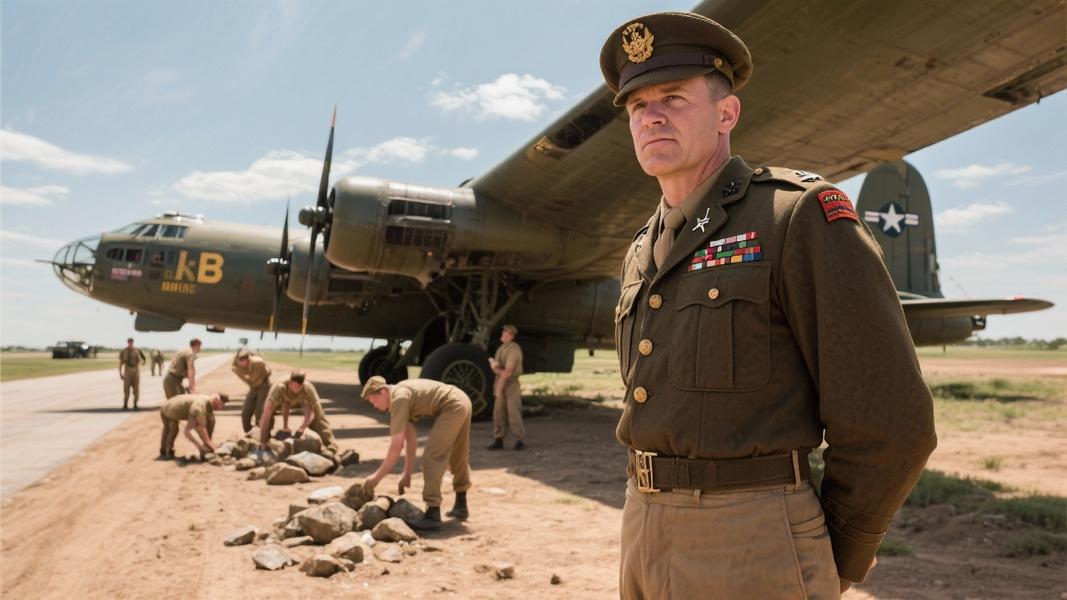
For more than three decades, Senior Master Sergeant Edward Conrad answered America’s call to service, spanning a remarkable military career that began when he was just 17 years old and stretched across three major conflicts.
Conrad, who joined the U.S. Army Air Forces in 1935, served his country through World War II, Korea, and Vietnam before retiring in 1966. His 31-year career represents an increasingly rare connection to America’s military history—a living link to the transformation of aerial warfare from its early days to the modern era.
A Career of Distinguished Service
As part of the 7th Bombardment Wing, Conrad was responsible for a critical mission: regenerating B-52 aircraft returning from combat missions in Vietnam. His exceptional service earned him the Airman of the Year award twice during his career, a testament to his dedication and expertise in keeping America’s aerial fleet operational during a pivotal conflict. Today, he resides at the Frank M. Tejeda Texas State Veterans Home in Floresville, Texas.
Conrad’s military journey began in a different era. When he enlisted, the Army Air Forces hadn’t yet evolved into the independent Air Force we know today. Through his service, he witnessed—and participated in—the technological revolution of military aviation, from propeller-driven bombers to the massive jet-powered B-52s that remain in service to this day.
What makes Conrad’s story particularly remarkable? Not just his longevity, but the breadth of his experience across three distinct military eras—from the global struggle against fascism to the cold war tensions of Korea and finally the controversial conflict in Vietnam.
Military service runs deep in the Conrad name. Records indicate various Air Force personnel named Conrad served throughout the mid-20th century, with retirement and death dates spanning from 1946 through 2014. While these may be distant or unrelated family members, they reflect a pattern of dedication to military service.
Another Edward Conrad, with a different service history, was drafted into the US Army Air Corps in 1940 and trained at Fort Dix before serving two years in North Africa during World War II. His parallel service highlights how many young men of that generation found themselves called to duty as global conflict erupted.
Preserving Veterans’ Legacies
The stories of veterans like Conrad are increasingly being preserved through both traditional and digital means. The Department of Veterans Affairs maintains a digital memorial page for Edward E. Conrad, allowing family and friends to share stories, photos, and tributes—ensuring that his service and sacrifice will be remembered for generations to come.
In a holiday video message, a different Conrad—Master Sgt. Edouard Conrad from RAF Lakenheath—expressed seasonal greetings: “My name is Master Sergeant read from RAF Lakenheath. I want to wish a Merry Christmas and Happy Holidays to our all of friends and family.” This modern connection shows how military service continues to shape lives and families.
The Air Force also featured another service member named Conrad in a video discussing their role supporting the Explosive Ordinance Disposal Unit (EOD), demonstrating how the legacy of service continues in today’s military.
Still, it’s Senior Master Sergeant Edward Conrad’s remarkable three-war career that stands out—a living testament to the “greatest generation” and those who continued to serve long after World War II ended. As fewer veterans of his era remain with us, the importance of documenting and honoring their experiences only grows more significant with each passing year.
