
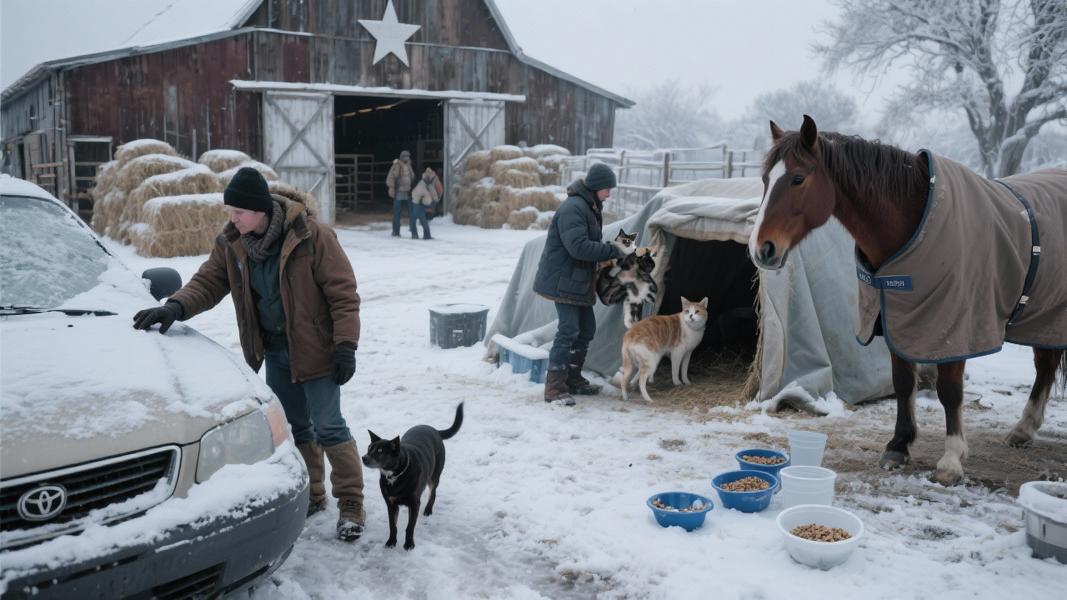
As Texas braces for another winter blast this weekend, pet owners face a crucial reminder: your furry friends need protection too. The Houston SPCA has issued urgent recommendations for keeping animals safe as temperatures plummet across the region.
“Bring your outdoor pets inside,” the organization advises, emphasizing that animals left outside will require special attention to survive the frigid conditions safely.
Increased Caloric Needs
Cold weather dramatically increases animals’ energy requirements. The Houston SPCA notes that outdoor animals may need up to 50% more calories during cold snaps simply to maintain body heat. That extra food isn’t a luxury — it’s survival.
For animals that must remain outdoors, practical adjustments can make a critical difference. The nonprofit recommends using plastic rather than metal bowls for food and water to prevent freezing and potential tongue injuries — a small change that could prevent a painful emergency.
Creating Shelter
What about shelter? Outdoor structures should provide adequate wind protection, with blankets, towels, or hay added for insulation. These materials can create crucial temperature buffers when temperatures drop below freezing, experts suggest.
Car engines present a particular danger during cold weather. Outdoor cats frequently seek warmth under vehicle hoods, creating a potentially deadly situation when motors start. The SPCA urges drivers to bang loudly on their hood before starting their vehicle — a simple action that could save a life.
Think your parked car might provide shelter for your pet during a quick errand? Think again. Cars act essentially as refrigerators during freezing weather, with temperatures dropping rapidly once the engine stops, according to SPCA guidance.
Larger Animals Need Protection Too
The recommendations extend beyond household pets. Horses require access to barns or three-sided structures that block wind and cold. Blankets can provide additional protection to keep equines warm and dry, animal welfare experts explain.
For farm animals, vigilance is key. Water troughs and buckets must be checked regularly to ensure they haven’t frozen over, and extra hay and grain should be provided when grazing options are limited by weather conditions. These provisions help livestock maintain critical body temperature during extreme weather, the SPCA indicates.
Warning Signs
How can you tell if your pet is suffering from the cold? Watch for signs of hypothermia, including shallow breathing, lethargy, weakness, and shivering. If these symptoms appear, contact a veterinarian immediately, officials warn.
The key to weathering the storm safely is preparation. Starting early gives pet owners time to make necessary arrangements before temperatures drop to dangerous levels.
As Texans still carry memories of devastating winter storms in recent years, this weekend’s forecast serves as a reminder that protection plans must include every member of the household — including those with four legs or feathers.
