
Deadly avalanches swept through northern Italy’s Alpine region on Saturday, killing four skiers and leaving others fighting for their lives in what local authorities are calling one of the deadliest mountain incidents this winter season.
The avalanches struck multiple locations across the northern Italian Alps, with the Valtellina area particularly hard hit. Two skiers died after being buried under snow in that region, while a third remains in critical condition at a nearby hospital, according to Italian emergency services who confirmed the casualties late Saturday.
Tragedy Near Olympic Territory
What makes this incident particularly notable is its proximity to future Winter Olympic Games sites. Three of the victims were killed near areas designated for upcoming Olympic events, raising questions about mountain safety protocols in the region. The avalanches reportedly consisted of loose snow and ice sliding down steep mountain faces, primarily affecting off-piste skiers who had ventured beyond marked trails, as noted by local mountain rescue teams.
The deadly slides occurred after several days of heavy snowfall followed by warming temperatures — conditions that avalanche experts often warn create perfect circumstances for unstable snow packs.
“These are exactly the conditions we tell skiers to be most cautious about,” said Paolo Verzetti, a mountain guide who assisted with rescue operations. “Fresh powder on top of unstable layers can be deceptively dangerous.”
Rescue Operations
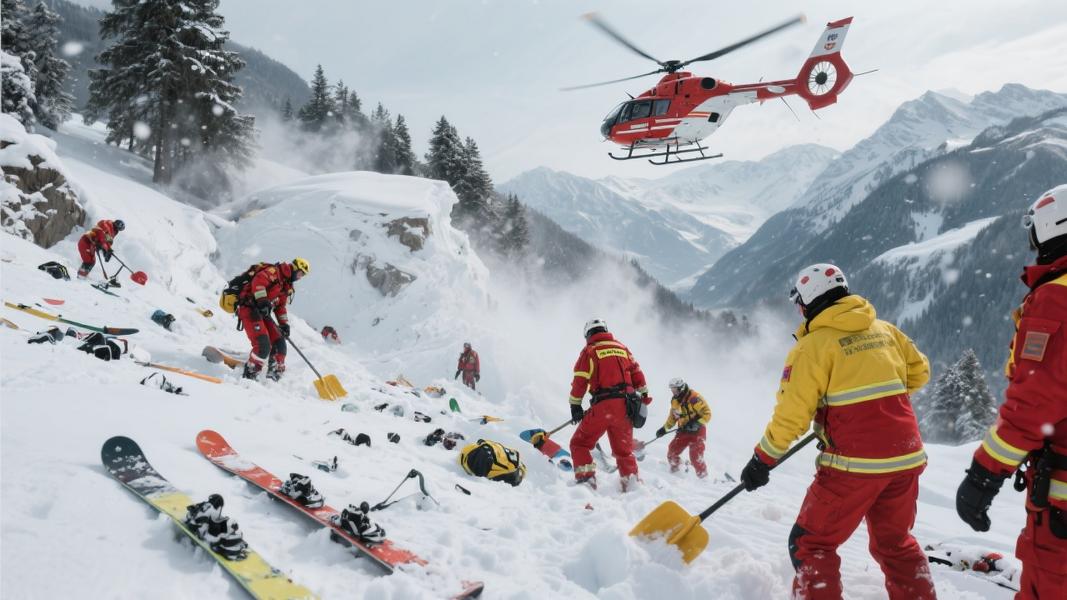
Emergency response teams deployed helicopters and avalanche dogs in the search and rescue effort, but for four victims, help arrived too late. In Valtellina specifically, rescuers found three ski tourers who had been caught in the sudden snow slide, with only one showing signs of life when discovered.
The surviving victim was immediately airlifted to a trauma center, though medical officials have not released updates on their condition.
Dangerous conditions? That’s putting it mildly. The Italian Alpine Club had issued moderate avalanche warnings for the region just days before the incident, though many experienced skiers often venture into backcountry areas despite such advisories.
Local authorities have now temporarily closed several off-piste areas while they assess the ongoing risk. The closures come during peak ski season, a blow to the region’s tourism economy already struggling with unpredictable snow conditions linked to climate change.
Growing Concern
This weekend’s tragedy adds to a troubling pattern of avalanche incidents across European Alpine regions this winter. Just last month, similar events in France and Switzerland claimed five lives, prompting calls for stricter enforcement of backcountry access during high-risk periods.
Mountain safety experts point to a combination of factors contributing to this season’s dangers: unusual weather patterns creating unstable snow conditions, increased popularity of off-piste skiing, and sometimes insufficient awareness of avalanche risks among recreational skiers.
As rescue operations conclude and investigations begin, families of the victims have begun arriving in the region. Local officials have promised a thorough review of safety protocols, particularly in areas that will eventually host Olympic events.
For now, the mountains that draw thousands of winter sports enthusiasts each year stand as a reminder of nature’s unpredictable power — beautiful but deadly when conditions align just wrong.
