
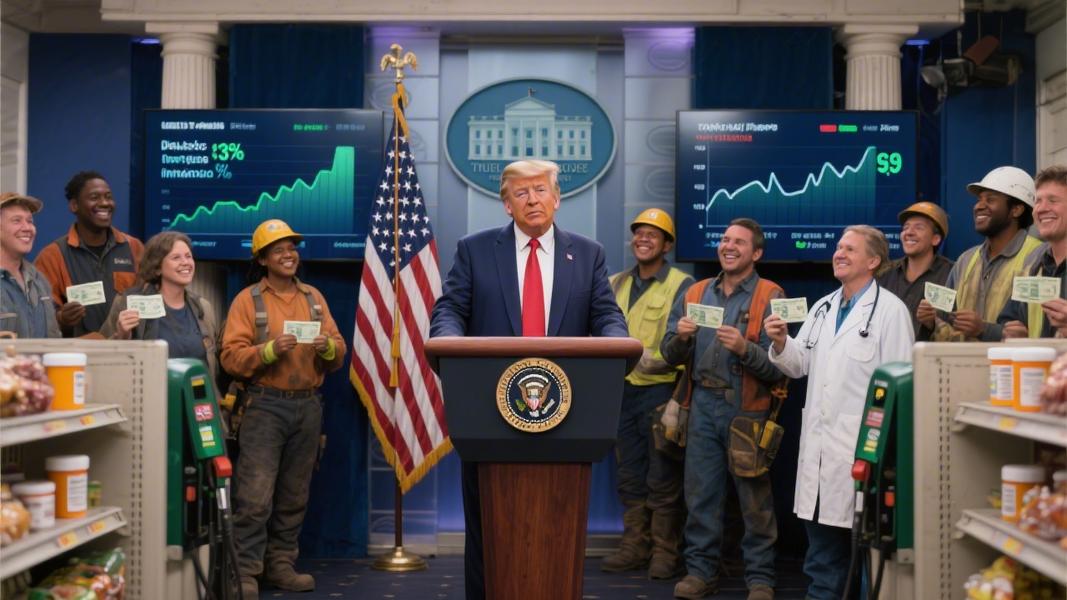
Inflation drops to 2.4% in January, lowest in eight months, but debate over Trump’s economic impact intensifies
U.S. inflation cooled more than expected in January 2026, falling to 2.4% year-over-year — its lowest level since last May and a notable drop from December’s 2.7% reading, according to the latest Consumer Price Index report released Wednesday.
The White House was quick to claim victory. “Today’s expectation-beating CPI report proves that President Trump has defeated Joe Biden’s inflation crisis,” the administration declared in a statement, highlighting that “real wages grew by $1,400 in President Trump’s first year in office.”
The Numbers Behind the Headlines
The monthly increase in consumer prices was a modest 0.2% in January, helping to pull down the annual rate as higher readings from early 2025 fell out of the calculation. Housing costs, which had been a persistent driver of inflation, showed continued signs of cooling, while prescription drug prices actually fell over the course of 2025, according to the Bureau of Labor Statistics.
Economists viewed the report positively, with some suggesting it could open the door for the Federal Reserve to consider interest rate cuts later this year. “US inflation has surprised to the downside, showing disinflationary progress is the US is on track and that rate cuts could well be on the cards as we move through 2026,” one analyst noted.
But it’s not that simple. Despite the encouraging January figures, inflation during Trump’s first year back in office averaged around 2.7% — still above the Fed’s 2% target. This has fueled an intensifying debate about the administration’s economic performance.
Competing Economic Narratives
The inflation picture looks dramatically different depending on who’s painting it. While the White House celebrates the recent decline, Democratic lawmakers point to the significant inflation burden Americans faced throughout 2025.
“President Trump repeatedly promised to lower prices, and he broke that promise,” argued congressional Democrats, citing data showing families spent an average of $1,625 more due to inflation during Trump’s first year back in office.
A separate analysis from the Joint Economic Committee found similar results, with American households facing more than $1,600 in additional costs due to price increases in 2025, including over $320 more in housing costs and $240 more in transportation.
What about that campaign promise? During the 2024 election, candidate Trump repeatedly vowed to end inflation on “Day 1” of his second term. Critics point to the fact that inflation remained above the Federal Reserve’s target throughout his first year back in office.
Looking Ahead
The White House is now focusing on the path forward. “With inflation now low and stable, America’s economy is set to turbocharge even further through long-overdue interest rate cuts from the Fed,” the administration statement continued, also highlighting upcoming drug pricing initiatives and the president’s healthcare plan.
Financial markets reacted positively to the January inflation report, with stocks rising as investors bet on potential rate cuts later this year. The average inflation rate during Trump’s second term thus far has been approximately 2.7%, compared to higher rates during the final years of the Biden administration.
The real question for most Americans: will this inflation moderation translate to meaningful relief in their daily lives? While the January numbers offer reason for optimism, many families are still feeling the cumulative impact of price increases across everything from groceries to housing over the past several years — a reality that will likely remain central to economic debates as the 2026 midterm elections approach.
