
Nine people are on trial in Fort Worth for what prosecutors are calling a coordinated armed ambush on a North Texas immigration detention facility — and the evidence piling up in court is hard to dismiss as anything routine.
The case centers on a July 4 attack on the Prairieland ICE detention facility in Alvarado, Texas, that left an Alvarado police lieutenant seriously wounded by gunfire. Federal prosecutors have called it the first indictment in the country tied to Antifa-related domestic terrorism — a claim that makes this trial one of the most closely watched in the country right now. Nine defendants stand accused of planning and carrying out the assault together. Their defense lawyers have a different word for it: a noise demonstration.
What Agents Found at the Homes
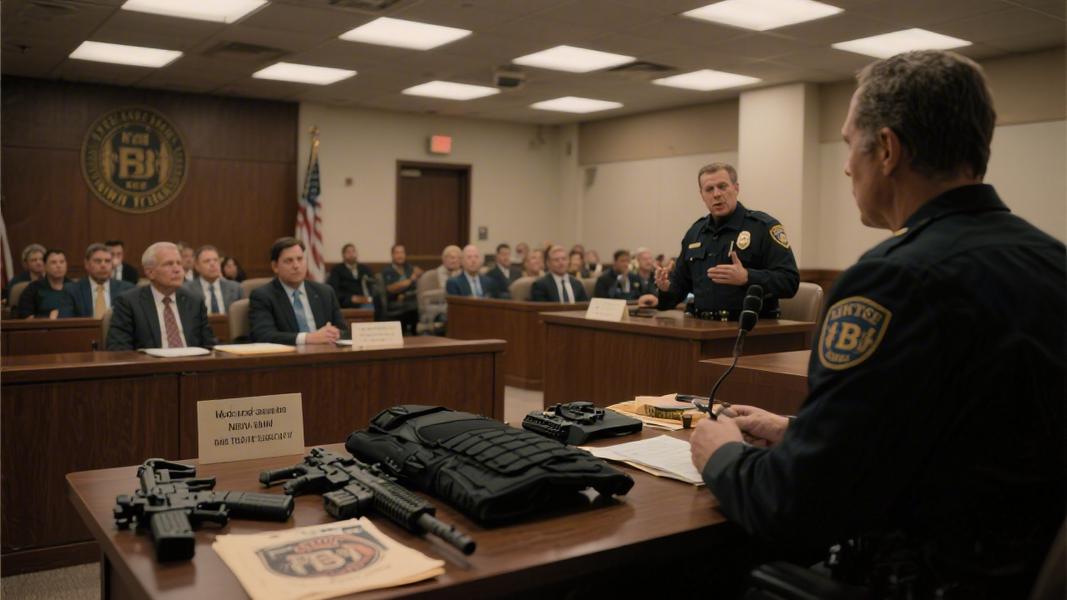
FBI agents took the stand this week and walked jurors through what they recovered from residences in Dallas, Garland, and Denton connected to the defendants — and it’s a lot more than noise-making equipment. The haul included multiple pistols, long guns, ammunition, bulletproof vests, handheld radios, a bullhorn, and what agents described as “propaganda.” At one point during testimony, a defense attorney pressed an FBI agent on the nature of some of the seized items: “So, your understanding was you were looking for reading materials, printed materials?” The implication seemed to be that books and pamphlets aren’t weapons. Prosecutors, clearly, see it differently.
Body armor and coordinated radio communications don’t exactly scream spontaneous protest. Still, the defense has leaned hard into the idea that the group’s intent was never violence — that they were there to make noise in solidarity with detainees inside the facility, not to start a firefight.
Phones, Maps, and a Damning Trail
That argument got considerably harder to make once FBI Special Agent Taylor Page took the stand. Page testified using cell phone location data — maps showing the defendants’ phones converging and moving toward the Alvarado area on the night of July 4. It’s the kind of digital breadcrumb trail that juries tend to find persuasive. One piece of evidence cited in court included a statement that cuts to the bone: “it wasn’t supposed to go like this.” The source and full context of that line remain part of the ongoing testimony, but its weight in the courtroom was unmistakable.
A body camera recording from the scene captured Johnson County deputy Karl Parsons reacting in real time. “This looks like a terror attack planned on Prairieland,” he could be heard saying, according to testimony. It’s the kind of raw, unscripted reaction that prosecutors love — and defense attorneys can’t easily explain away.
The Bigger Stakes
What makes this case genuinely significant — beyond the violence itself — is the legal precedent it could set. Federal prosecutors have framed these charges as the opening move in a broader effort to prosecute Antifa-linked activity as domestic terrorism. That’s a legal and political line that’s been debated for years without ever quite being drawn in a federal courtroom. Now it has been.
Is this a terror trial or a political prosecution dressed up in terror language? Defense attorneys would say the latter. But the firearms, the vests, the coordinated movement of nine people toward a federal detention facility on a national holiday — and a cop shot in the process — make the “noise demonstration” framing a genuinely difficult sell.
The trial continues in Fort Worth. Whatever verdict eventually comes down, the phrase it wasn’t supposed to go like this may end up being the most honest thing said by anyone involved.
