
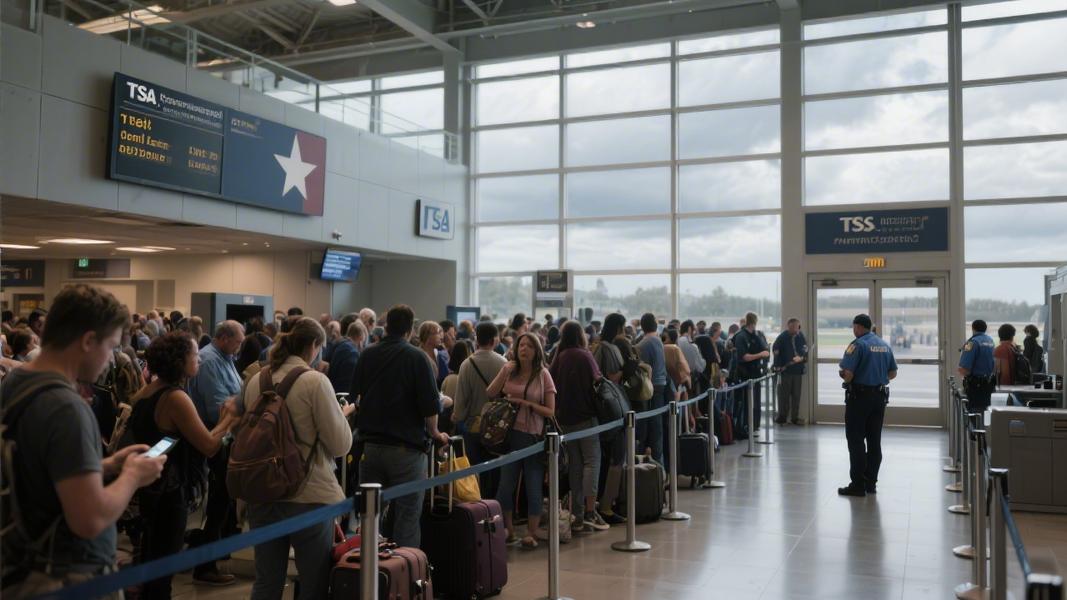
Spring break is supposed to mean sun, travel, and a break from the grind. For millions of Americans heading to airports right now, it’s starting to look more like a stress test.
The Department of Homeland Security has been operating without funding for nearly four weeks — making it the only federal agency still unfunded heading into fiscal year 2026. TSA officers are showing up to screen passengers, check bags, and staff security checkpoints across the country. They’re just not getting paid to do it. And the lines? Some airports are reporting waits of more than three hours.
A Shutdown With a Timeline — and a Trigger
The partial shutdown began on February 14, 2026 — Valentine’s Day, of all days — after Congress failed to reach a deal on DHS funding. It was the second federal shutdown of the year, this one narrowly scoped to a single department but no less disruptive for that. The immediate flashpoint was a bitter congressional fight over immigration enforcement reforms, which had been reignited following the killing of Alex Pretti by Customs and Border Protection agents — an incident that hardened positions on both sides of the aisle and made compromise feel, at least for now, unreachable.
Nearly all DHS workers are legally required to remain on the job despite the funding lapse — classified as essential personnel. That means the agency hasn’t gone dark, exactly. It’s running on fumes and goodwill, with employees working on the promise that back pay will come eventually. For a lot of those workers, “eventually” doesn’t cover rent.
171 Million Travelers, Zero Patience
How bad could the timing get? Pretty bad, it turns out. House Majority Leader Steve Scalise put a number to the problem this week, warning that the spring travel crunch is no ordinary busy season. “This is expected to be one of the busiest spring travel seasons on record,” he said. “Over 171 million travelers are estimated to fly in the coming weeks, and they expect the agencies responsible for keeping them safe to be fully operational.”
That’s not a small ask when the agency in question is running its fourth week without a paycheck. Screeners calling out sick — or simply not coming back — isn’t a hypothetical risk at this point. It’s a pressure that builds quietly until it doesn’t.
Republicans Point Fingers. Democrats Dig In.
The blame game in Washington is running at full speed, which, unlike the TSA lines, has no backlog whatsoever. House Appropriations Chairman Tom Cole didn’t mince words after the House passed legislation aimed at ending the shutdown — legislation that Democrats blocked. “The Constitution places the safety and security of the American people at the center of the federal government’s responsibilities,” Cole declared. “Amidst rising global tensions and natural disaster possibilities, jeopardizing security operations and emergency preparedness is the last thing anyone should be doing. Yet, Democrats have kept the Department of Homeland Security shuttered for weeks — and again voted to keep it that way.”
It’s a sharp indictment. Still, Democrats have argued that the underlying dispute — over how immigration enforcement is conducted and who bears accountability for it — is precisely the kind of policy fight that shouldn’t be steamrolled through a spending bill under deadline pressure. Both sides, in other words, believe they’re the ones protecting something important. The airports don’t particularly care who’s right.
More Than Long Lines
The ripple effects stretch well beyond security checkpoints. Cole’s office outlined a broader picture of operational damage: cybersecurity operations running at reduced capacity, first responder training programs canceled, FEMA grants sitting inaccessible to state and local governments that need them, and TSA officers absorbing the financial hit of working without wages. That’s not a minor inconvenience. That’s a cascade.
The frustration among lawmakers — even those who’ve stayed mostly quiet — has been audible this week as the airport images circulate and constituent calls pile up. Nobody running for reelection wants to be photographed next to a three-hour TSA line during spring break.
But it’s not that simple, and the resolution isn’t obviously close. With the underlying immigration fight unresolved and both chambers showing little appetite for a clean funding bill, the shutdown appears likely to stretch further into March. Meanwhile, 171 million travelers are loading their carry-ons and heading for the door — hoping, reasonably enough, that someone in Washington figures it out before they hit the terminal.
For the TSA officers standing at those checkpoints right now, unpaid and under pressure, the politics must feel very far away.
