
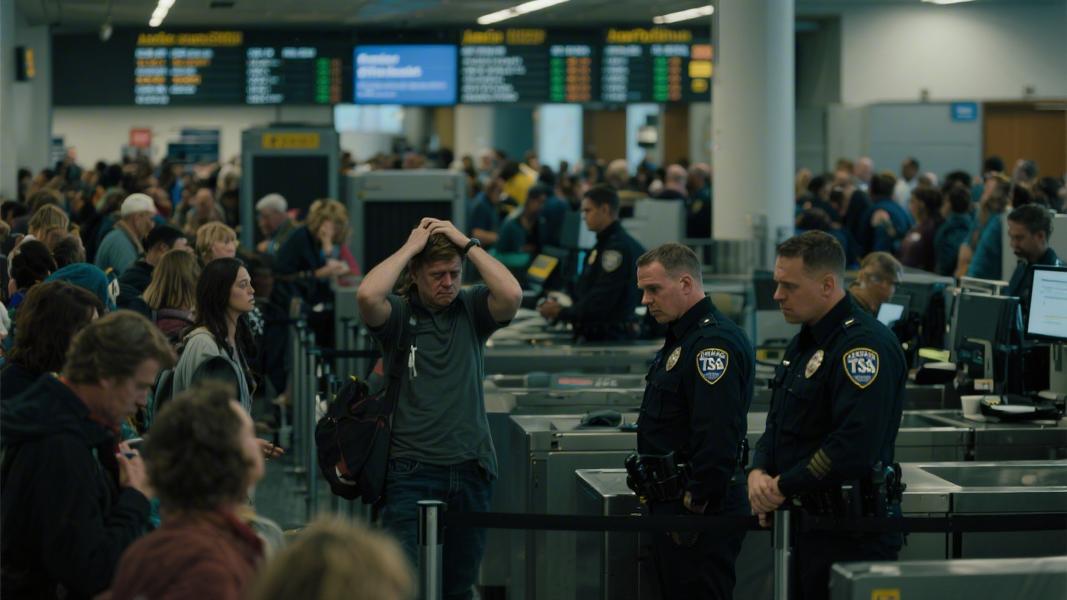
Four weeks into a partial government shutdown, airport lines are stretching past three hours and TSA screeners are showing up to work without a paycheck. Washington, meanwhile, is still arguing.
The Department of Homeland Security has been operating without full congressional funding since February 14, 2026, the second federal shutdown in as many weeks — and the downstream effects are now hitting ordinary Americans in ways that are hard to ignore. Spring break travel is underway, patience is running thin, and a deal remains nowhere in sight.
How It Started
The roots of the crisis go back to January 24, when Alex Pretti was killed by Customs and Border Protection agents. The incident ignited a fierce debate over federal immigration enforcement — and within days, that debate had paralyzed parts of the government. A first shutdown, documented as lasting four days from January 31 to February 3, hit roughly half of all federal departments. A second, narrower shutdown targeting DHS specifically began on February 14, and it’s that one that’s still grinding on.
The standoff is, at its core, a familiar one dressed in new clothes. Democrats are demanding restrictions on ICE and immigration enforcement operations. Republicans won’t budge on limiting ICE’s powers. Both sides have dug in, and the agency caught in the middle — DHS — is the one bleeding out.
What’s Actually Shutting Down
The ripple effects became starkly visible on February 22, when DHS announced it was suspending both TSA PreCheck and Global Entry. The PreCheck suspension was reversed within hours — a small mercy — but other cuts held. Courtesy escorts at airports were suspended. Explained by analysts at the time, FEMA also pulled back on non-disaster responses, leaving communities in a kind of bureaucratic limbo.
How bad is it at the airports? Pretty bad. Waits topping three hours have been reported at several major hubs, with TSA screeners staffing checkpoints despite not receiving paychecks. It’s the kind of situation that tends to produce two things: viral videos and congressional press releases. There’s been no shortage of either.
Republicans Sound the Alarm
House Republicans have been especially vocal about what they see as the broader security stakes. Beyond airport lines, they’ve pointed to the Secret Service, which they argue is hamstrung in its preparations for the America 250 celebrations, the FIFA World Cup, and the 2028 Los Angeles Olympics. Also caught in the funding freeze: Homeland Security Investigations, the federal unit that leads efforts to combat child exploitation and human trafficking. “The Constitution places the safety and security of the American people at the center of the federal government’s responsibilities,” House Appropriations Republicans stated in pressing for a resolution.
On March 5, the House passed H.R. 7744, the Department of Homeland Security Appropriations Act for 2026, by a narrow 221 to 209 vote — the second time a DHS funding bill has cleared the chamber. It now sits in the Senate, where the real fight is waiting.
A Financial Cushion — For Some
That’s the catch. Not everything at DHS has gone dark. The agency has had a financial lifeline of sorts: the One Big Beautiful Bill Act, passed last summer, injected $165 billion into DHS coffers — $75 billion directed to ICE and $64 billion to CBP. That money has allowed certain law enforcement operations to keep running through the shutdown, which is precisely what has some Democrats furious. Immigration enforcement, they argue, is humming along just fine — while the screener checking your carry-on bag hasn’t been paid in weeks.
Still, the selective nature of the pain doesn’t make the shutdown any less real for the workers absorbing it. Or for the traveler staring down a three-hour line with a connection to catch.
No End in Sight
With the Senate yet to act and neither party showing signs of meaningful compromise, the shutdown appears set to drag on. The political math hasn’t changed much since February: Democrats want accountability for immigration enforcement, Republicans want unfettered authority to pursue it. The Pretti killing set this in motion, and nothing since has managed to stop it.
What’s increasingly clear is that the people paying the steepest price aren’t the ones at the negotiating table — they’re the ones in the terminal, shoes off, bags open, waiting for a federal government that can’t seem to agree on anything long enough to pay the people keeping them safe.
