
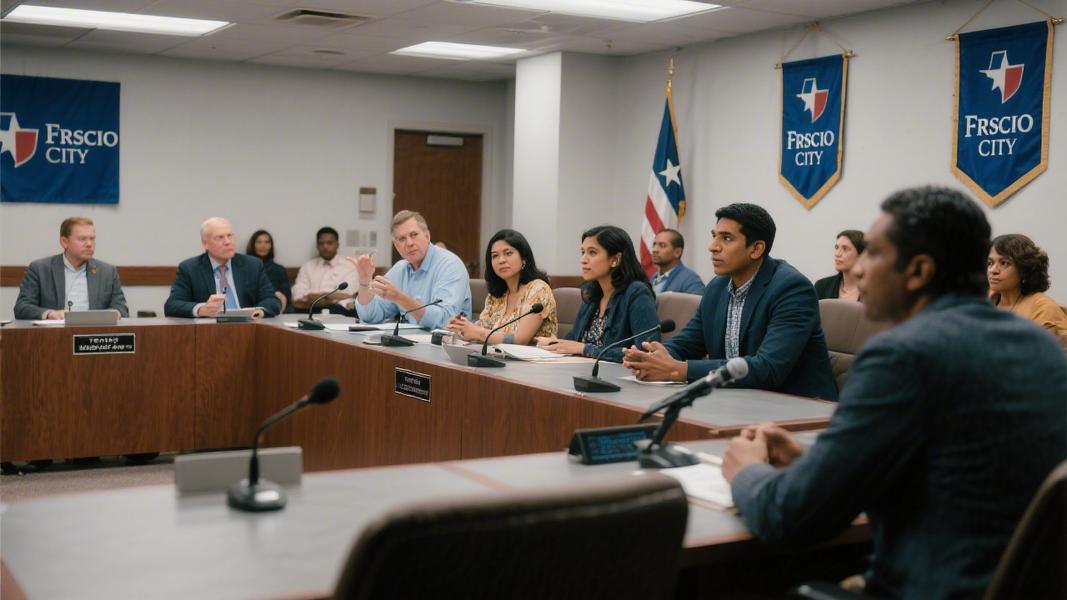
Frisco, Texas is no longer just a fast-growing suburb — it’s one of the most demographically complex cities in the American South, and the numbers are starting to tell a story that’s hard to ignore.
Once a quiet bedroom community north of Dallas, Frisco has transformed at a pace that few municipalities anywhere in the country can match. Its population has nearly doubled since 2010, climbing from 116,989 to 200,509 by the 2020 census, according to federal data. By 2024, that figure had surged to an estimated 234,424, with an annual growth rate of 6.9% — the kind of number that makes urban planners either very excited or very nervous, depending on who you ask.
A City That Looks Different Than It Did a Decade Ago
The demographic shift is striking. White residents, while still the largest single group, now make up roughly 45.5% of the population — a majority-minority threshold that places Frisco firmly in a category that was almost unimaginable for this part of Texas not long ago. Asian residents, including a significant Indian-American community, account for 33.6%, while Hispanic residents make up 10.4% and Black residents 10%, as noted by local and national outlets tracking the city’s evolution.
That Asian population figure deserves a second look. Back in 2020, Asian residents represented just over 26% of the city, per records from that census cycle — meaning the community has grown substantially even within that short window. It’s a demographic wave driven in large part by the tech sector, corporate relocations, and the draw of Frisco’s highly rated school district.
Still, not everyone has welcomed the change quietly. City officials have found themselves pushing back against what they describe as inflammatory narratives — claims circulating online and in certain political circles that Frisco has been subject to some kind of demographic “takeover.” Mayor Jeff Cheney has been direct in rejecting that framing. “Frisco is proud to celebrate our diversity. Our mission has always been to make those who call Frisco home feel welcome and safe,” Cheney said.
Growth at a Pace That’s Hard to Sustain
How fast is fast? Consider this: Frisco’s compound annual growth rate over the past decade sits at 5.4%, according to economic figures from the Frisco EDC. The city spans 69.1 square miles with an additional square mile of Extra Territorial Jurisdiction, per city records — meaning there’s still room to build, though that runway won’t last forever.
Projections suggest the city will hit 240,258 residents by 2026, with the racial composition shifting slightly — White residents at 45.8%, Asian residents at 28.1%, and Hispanic residents at 12.7%, based on forecasts from Texas demographic analysts. That Hispanic figure, notably, has been climbing steadily, reflecting broader trends across the Dallas-Fort Worth metroplex.
The foreign-born population adds another layer to the picture. As of 2020, roughly 23.2% of Frisco residents — about 43,600 people — were born outside the United States, nearly double the national average of 13.5%, as documented by education researchers studying the region. That’s not just a statistic. It shapes everything from what languages are spoken at school board meetings to what grocery stores stock on their shelves.
What the Numbers Don’t Capture
But it’s not that simple. Raw demographic data can flatten what is, in reality, a layered and sometimes tense civic conversation. The same growth that has diversified Frisco has also driven up housing costs, strained infrastructure, and sparked political debates about representation, school curriculum, and community identity. The median age of 38.3 suggests a city of young families — people who moved here for opportunity, and who have strong opinions about what kind of place they want to raise their kids.
Other sources peg the city’s total population at 202,075, with White and Caucasian residents at 53.6% — a figure that diverges from census breakdowns depending on methodology and timing, underscoring just how much these numbers can shift depending on when and how you count.
What’s clear is that Frisco is no longer a footnote in Texas’s growth story. It’s a leading chapter — one that reflects the broader transformation of suburban America, where the old assumptions about who lives where, and why, no longer hold.
The city’s leaders say they’re ready for that future. Whether its institutions, its politics, and its sense of shared identity can keep pace with its population is the question Frisco will be answering for years to come.
