
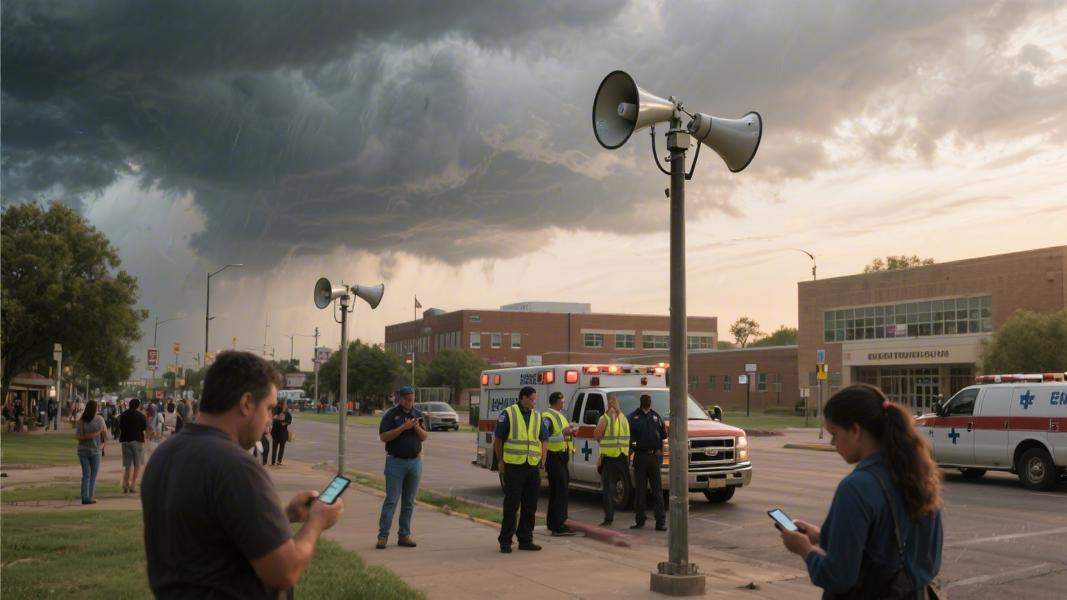
Your phone is going to buzz on Tuesday morning — and that’s actually a good thing. Texas emergency officials want to make sure the system works before it ever needs to.
The Texas Department of Emergency Management is sending a statewide test alert to cell phones across Texas at approximately 10:30 a.m. Tuesday, according to Lufkin officials who announced the drill. The goal is straightforward: evaluate whether the state’s emergency alert infrastructure is functioning the way it should. It’s a routine check, but one that carries real weight in a state no stranger to hurricanes, wildfires, and severe storms.
What’s Actually Happening — and Why
So when your phone lights up mid-morning with an alert tone, don’t panic. It’s a Required Monthly Test, or RMT — a federally coordinated exercise built into the Emergency Alert System to ensure broadcasters and emergency managers can reach the public quickly when seconds count. Think of it as a fire drill, except the whole state is the building.
Texas runs these tests on a schedule set each year by its two designated originating stations: WBAP-AM in the Dallas-Fort Worth area and KTRH-AM in Houston. That annual RMT calendar is published by the Texas Association of Broadcasters, which coordinates the process across the state’s vast and varied broadcast landscape.
The Mechanics Behind the Alert
It’s not just phones. The Emergency Alert System reaches across television and radio as well, interrupting regular programming with that familiar — and frankly jarring — tone that most Texans have heard at least once. The wireless component, which pushes alerts directly to cell phones in a given area, has become increasingly central to modern emergency communication. It doesn’t require you to have a particular app, follow a government account, or do anything at all. The message just arrives.
That’s by design. In an actual emergency, there’s no time to hope people are scrolling the right feed.
A Reminder Worth Having
Still, tests like these occasionally catch people off guard — especially those who’ve recently moved to the state or aren’t aware of the RMT program. Officials are urging residents not to call 911 in response to the alert. It’s a test. The system is doing exactly what it’s supposed to do.
Texas’s geography alone — stretching nearly 800 miles from east to west — makes reliable emergency communication a genuine logistical challenge. What works in Houston doesn’t automatically work in El Paso. Routine testing isn’t bureaucratic box-checking; it’s how emergency managers find out where the gaps are before a real disaster forces the issue.
Tuesday’s alert is scheduled for around 10:30 a.m. If your phone buzzes and blares, take a breath. That noise is the sound of a system trying to keep you alive — just making sure it still can.
