
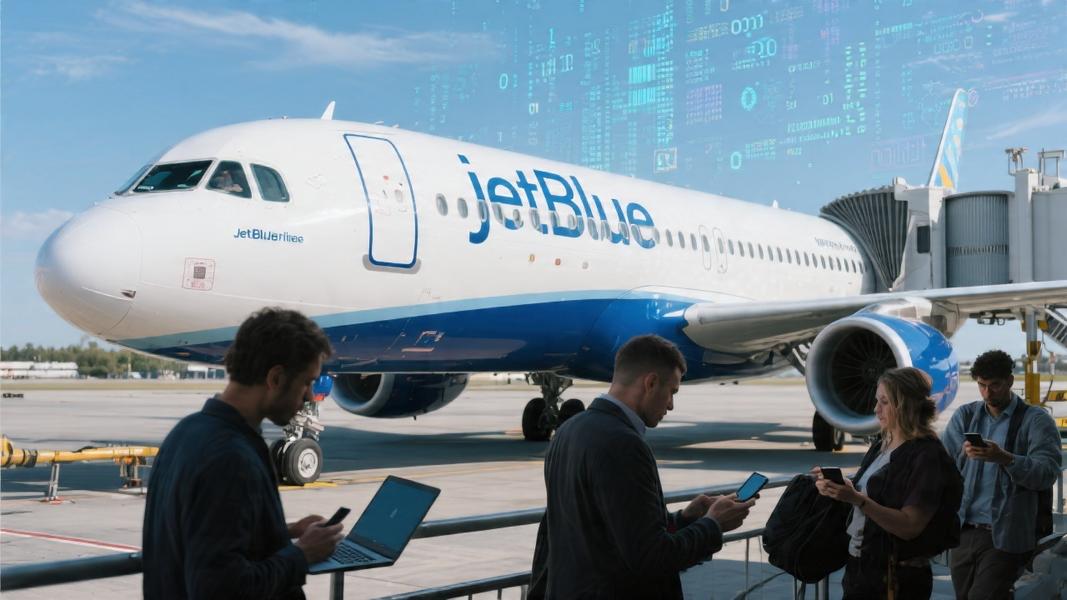
Your airline ticket price may have gone up the moment you closed the browser tab — and now JetBlue is facing a federal lawsuit over it.
A New York man has sued JetBlue Airways in Brooklyn federal court, alleging the carrier uses covert “surveillance pricing” — harvesting customers’ personal data, browsing history, and online behavior to quietly inflate ticket prices on an individual basis. The lawsuit, filed by Andrew Phillips, adds JetBlue to a growing list of companies under scrutiny for the increasingly controversial practice of using consumer data to set personalized prices, rather than offering a flat rate to everyone shopping for the same seat.
What the Lawsuit Actually Claims
The core allegation is straightforward, and a little unsettling. According to the complaint, JetBlue’s website tracks what consumers do online — and uses that data against them at checkout. As the lawsuit describes it, “When a consumer searches for airline tickets and then closes the browser window, the prices increase when the consumer seeks to re-engage with purchasing.” In other words: look once, walk away, come back — and suddenly that $189 fare has crept up.
Phillips argues that this isn’t just bad business practice. It’s a privacy violation. His position, as cited in coverage of the filing, cuts to the point: “Consumers should not have to have their privacy rights violated to participate in [JetBlue’s] digital rat race for airline tickets, which should cost the same for each similarly seated passenger.” It’s a populist argument with real legal teeth — and one that’s likely to resonate with anyone who’s ever nervously refreshed a flight search and watched prices climb in real time.
JetBlue Says: That’s Not How This Works
The airline isn’t staying quiet. JetBlue has pushed back firmly, denying the central premise of the lawsuit entirely. In a statement provided to media outlets, the company said: “JetBlue does not use personal information or web browsing history to set individual pricing. Fares are determined by demand and seat availability, and all customers have access to the same fares on jetblue.com and our mobile app.”
That’s a clean denial. But it’s not the whole story — because something happened on social media that made things complicated. A JetBlue customer service representative, responding to a passenger online, apparently suggested using incognito mode to find better fares. That’s the kind of tip that, intentionally or not, implies the airline’s site behaves differently depending on who’s watching. JetBlue called it a mistake. “The recent social media reply was simply a mistake from an individual customer service crewmember,” the company said, adding that the steps suggested “would not have changed the airfares available for purchase.”
Still, one can see why that slip — however innocent — didn’t exactly help JetBlue’s case in the court of public opinion.
A Bigger Fight Than One Airline
Is JetBlue unique here? Almost certainly not. Surveillance pricing — the practice of using data profiles to charge different customers different amounts for the same product — has drawn scrutiny across industries, from retail giants to hotel booking platforms. The Federal Trade Commission has signaled interest in the practice broadly. Airlines, with their notoriously opaque and volatile pricing structures, have long been a target of consumer frustration. This lawsuit simply names one of them.
What makes the JetBlue case notable is the specificity of the claim: not just that prices fluctuate, but that they fluctuate based on who you are and what your browsing history reveals about you. That’s a meaningful distinction. Dynamic pricing tied to demand is old news — every airline does it. Personalized pricing tied to individual surveillance data is something else entirely, and it’s what Phillips is alleging here.
The case is still in its early stages, and JetBlue hasn’t been found liable for anything. But the lawsuit raises questions that won’t go away quietly: If your data is being used to sell you things, is it also being used to make sure you pay more for them than the person sitting right next to you on the same flight?
That’s the kind of question that tends to stick — especially at 30,000 feet with nowhere else to go.
