
Congress did what it does best in a pinch: bought itself more time. Just barely.
In the early morning hours of April 17, 2026 — at 2:10 a.m., to be precise — the House passed a short-term extension of the Foreign Intelligence Surveillance Act’s Title VII authorities by unanimous consent, averting what would have been a lapse in some of the federal government’s most sensitive surveillance powers. The Senate followed suit the same day, sending the measure to the president’s desk and keeping the program alive, at least for now.
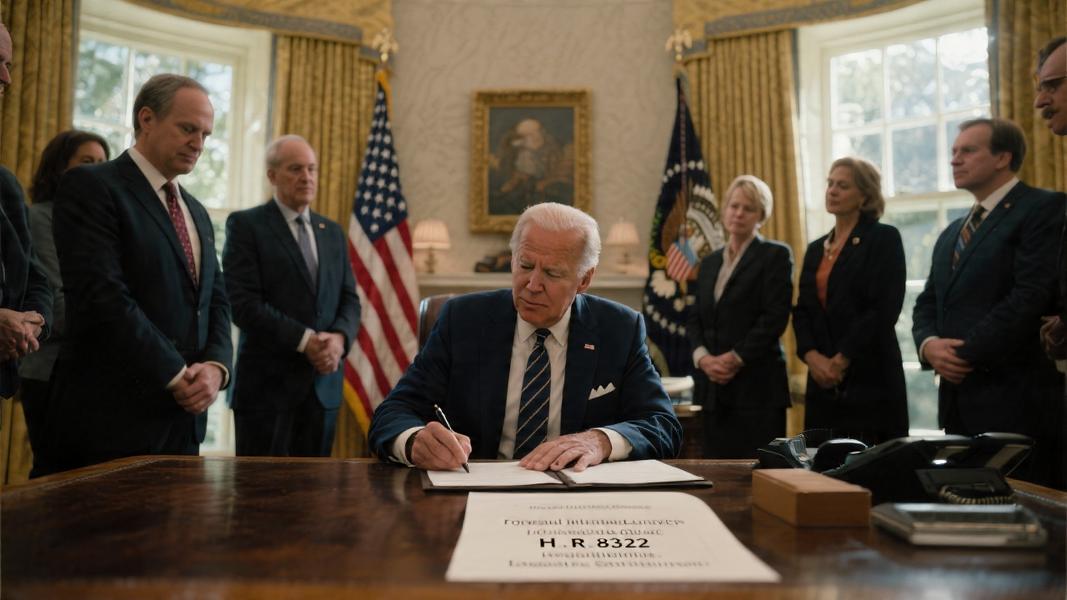
The bill, H.R. 8322, extends the FISA Amendments Act of 2008’s Title VII authorities through April 30, 2026 — a ten-day patch that does nothing to resolve the deeper, more contentious debates surrounding Section 702, the provision that allows U.S. intelligence agencies to collect communications of foreign targets overseas, even when those communications involve American citizens. The enrolled version of the bill was finalized with a last action date of April 18, 2026.
A Late-Night Deal After a House Revolt
Getting here wasn’t clean. The House had initially stumbled over the reauthorization, with internal negotiations forcing a scramble before lawmakers ultimately coalesced around the short-term fix. The bill was considered by unanimous consent on April 16 before its formal passage, according to records from the House Clerk’s office — a procedural sequence that underscores just how fast-tracked the whole thing was.
That’s the catch, though. Unanimous consent sounds like harmony. In practice, it often means nobody wanted to be the one caught letting spy powers expire at midnight. It’s a political calculation as much as a policy one.
The bill’s text specifies that amendments take effect on the earlier of enactment or April 19, 2026, a provision included in the engrossed House version to ensure no gap in legal authority. The enrolled bill mirrors the same language.
Section 702: The Fight That Won’t Go Away
Section 702 has been one of the most contested surveillance authorities in modern American law. Civil liberties advocates argue it’s routinely used to sweep up the communications of ordinary Americans without a warrant — a backdoor search, they call it. Intelligence officials counter that it’s indispensable, responsible for some of the most critical national security intelligence the U.S. collects. Neither side is entirely wrong, which is precisely why Congress keeps punting.
Still, there’s something almost darkly comic about a divided legislature staying up past 2 a.m. to pass a ten-day extension of a law it’s been fighting over for years. The extension buys negotiators a little more runway — but the clock is already running again.
The 119th Congress now faces a hard deadline at the end of April to either pass a longer-term reauthorization or, once more, find itself scrambling in the middle of the night. Given the track record, it’s not obvious which outcome is more likely.
Ten days. That’s what a divided Congress managed to agree on when it came to some of the most powerful surveillance authorities in the country’s legal arsenal — a reminder that in Washington, kicking the can down the road is sometimes the only bipartisan sport left.
