
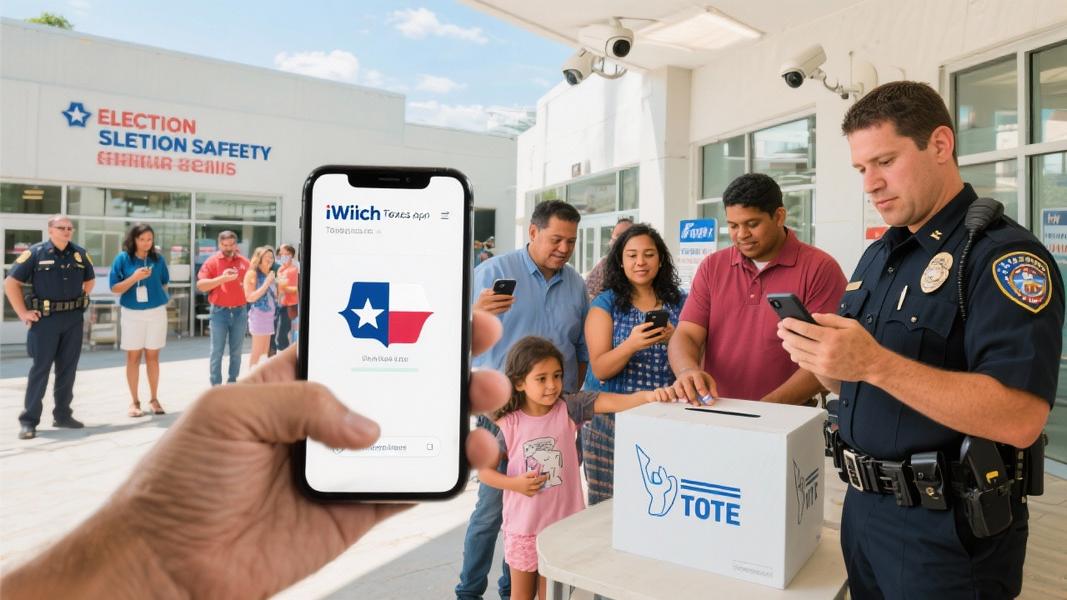
Texas is once again overhauling its election procedures, with a slate of new laws set to change how Texans vote in 2025 and beyond.
Starting September 1, 2025, House Bill 521 will implement stricter requirements for curbside voting and modify how election officials can assist voters at polling locations, according to a recent advisory from the Texas Secretary of State’s office.
Tighter Security Measures for Voting Equipment
Perhaps the most significant change comes from Senate Bill 2216, which establishes comprehensive new security protocols for voting machines. The legislation mandates that all voting system equipment must be stored in locked rooms and requires tamper-evident security seals on each unit. Election officials must now meticulously document every seal placement and removal, including the identity of the person accessing the equipment and their reason for doing so, as outlined in guidance to local election officials.
“This creates an unbroken chain of custody,” said one county election administrator who requested anonymity to speak freely about the implementation challenges. “It’s a lot more paperwork, but the goal is transparency.”
The same bill also requires logic and accuracy testing for electronic pollbook systems at least 48 hours before voting begins. Public notice of these tests must be posted online with the same 48-hour minimum notice, according to a state directive issued last month.
Firearms Still Prohibited at Polls
Despite Texas’s permissive gun laws, one thing remains unchanged: firearms at polling places are still strictly prohibited for most citizens. “The legislation allowing open carry of handguns does NOT change the law as it pertains to guns in the polling place; thus no one except licensed peace officers may carry handguns into the polling place,” the Secretary of State’s office clarified in a recent advisory.
Forgotten your photo ID on Election Day? Don’t panic. Voters who arrive without proper identification can still cast a provisional ballot, but they’ll need to present acceptable ID or documentation at their local voter registrar’s office within six days for their vote to be counted, the Texas Tribune explains in their voter rights guide.
What Voters Need to Know
With these changes coming into effect less than a year before the next presidential election, what should Texas voters expect?
For most, the voting experience will feel largely the same. The security measures for voting equipment happen behind the scenes, though they may result in slightly different check-in procedures at some polling locations.
Curbside voting — an accommodation for voters physically unable to enter polling locations — will continue but with additional verification steps. Election officials will need to follow stricter protocols when assisting voters who request help.
These reforms represent the latest chapter in Texas’s ongoing efforts to balance election security with voter access — a balancing act that continues to evolve as the state prepares for what’s likely to be another high-turnout election in 2026.
