
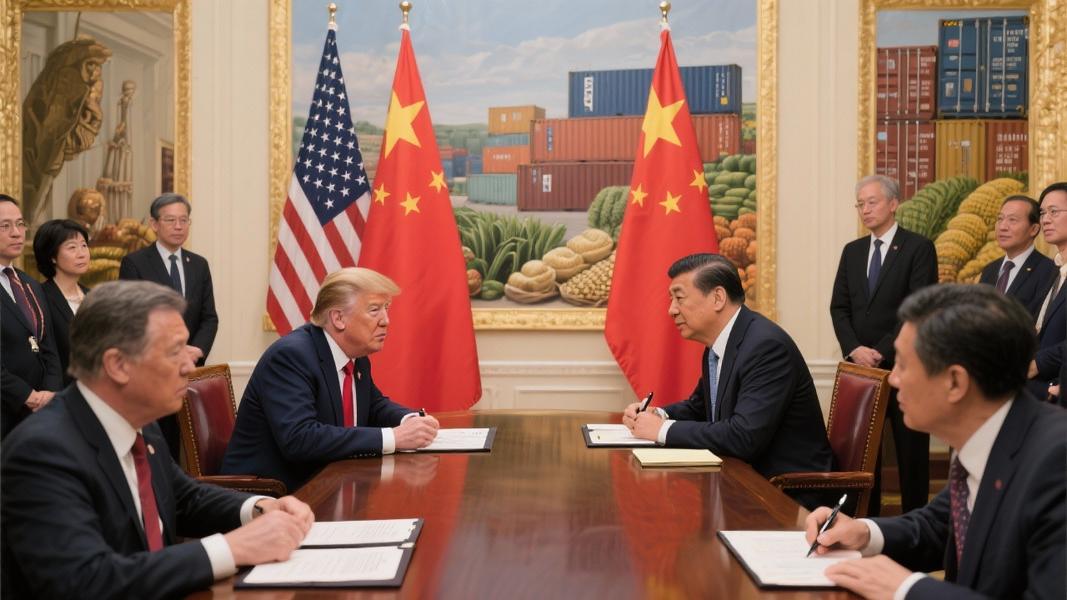
Trump Eases China Tariffs Following Commitment to Curb Fentanyl Flow
President Trump is rolling back some tariffs on Chinese imports after Beijing agreed to crack down on the flow of deadly synthetic opioids to the United States — a partial resolution to what he had previously declared a national emergency.
The White House announced that the additional tariff rate on Chinese goods will drop from 20% to 10% effective November 10, following what officials characterized as “significant” commitments from China to halt the shipment of fentanyl precursor chemicals to North America and tighten export controls worldwide.
From Emergency Declaration to Diplomatic Breakthrough
The move marks a notable shift in the administration’s approach to what has become a central foreign policy and public health challenge. Trump had previously stated that “the failure of the Government of the People’s Republic of China to act to blunt the sustained influx of synthetic opioids, including fentanyl, flowing from the PRC to the United States constitutes an unusual and extraordinary threat to the national security, foreign policy, and economy of the United States.”
That emergency declaration, which came earlier in his term, initially resulted in a 10% tariff on Chinese imports. By March 2025, as Beijing’s response remained inadequate, the administration increased that rate to 20%.
What changed? According to the White House, Chinese authorities have now committed to concrete actions targeting the synthetic opioid supply chain, including “stopping the shipment of certain designated chemicals to North America and strictly controlling exports of certain other chemicals to all destinations in the world.”
The tariff reduction will be implemented through modifications to the Harmonized Tariff Schedule of the United States, with the U.S. Customs and Border Protection expected to update its systems ahead of the November 10 deadline.
Trust But Verify
Will China actually deliver on its promises this time? That’s the multi-billion-dollar question looming over this agreement.
The administration isn’t leaving anything to chance. The executive order explicitly authorizes the Secretary of Homeland Security, working with other officials, to monitor China’s compliance and recommend further action if Beijing fails to uphold its end of the bargain.
“Should the PRC fail to implement its commitments as described in section 1 of this order, I may modify this order as necessary to deal with the emergency declared in Executive Order 14195,” Trump warned in the document.
The Secretary of Homeland Security has been granted broad authority to implement the order, including adopting rules and regulations as necessary. These responsibilities can be delegated within the Department as needed.
Broader Implications
The tariff reduction comes amid complex U.S.-China relations that have been strained over issues ranging from trade practices to technology competition and human rights concerns.
For American businesses importing Chinese goods, the 10-percentage-point reduction represents potential relief after months of higher costs. Still, the remaining 10% tariff serves as a reminder that the administration continues to view the fentanyl crisis as an active threat requiring economic pressure.
The order includes standard legal provisions ensuring that if any part is found invalid, the remainder stays in effect — suggesting the White House anticipates potential challenges to its implementation.
For communities ravaged by the opioid epidemic, the diplomatic breakthrough offers a glimmer of hope that one major source of deadly synthetic drugs might finally face meaningful disruption. Whether this represents a genuine turning point or merely another chapter in the long struggle against the opioid crisis remains to be seen.
