
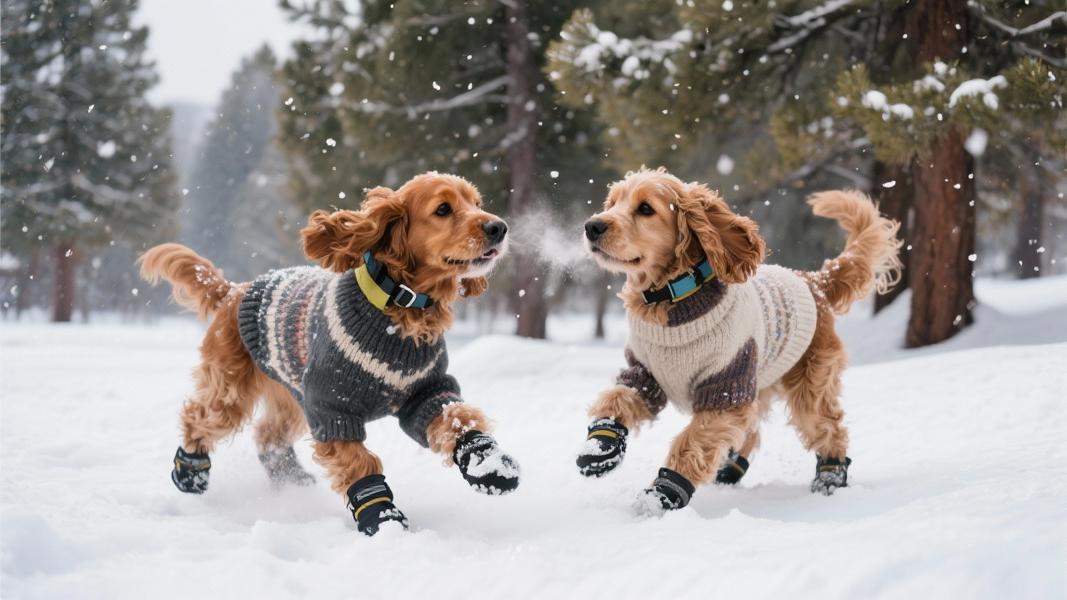
Winter is coming, and for pet owners, that means taking extra precautions to keep their furry companions safe from the dangers of cold weather.
As temperatures drop across much of the country, veterinarians and animal welfare organizations are reminding pet parents that cold weather affects animals differently than humans – and what might seem merely chilly to us could pose serious health risks to our pets.
Know Your Temperature Thresholds
When exactly should you start worrying about your pet in cold weather? Experts say there are clear temperature thresholds to keep in mind. Most pets remain comfortable outdoors when temperatures stay above 45°F, but once the mercury dips between 32-45°F, close monitoring becomes necessary. Between 20-32°F, the risks of hypothermia and frostbite increase significantly – especially for vulnerable animals – and below 20°F, pets should generally remain indoors whenever possible, according to safety guidelines.
“It’s always best to house your pets inside during low temperatures,” the Charlottesville-Albemarle SPCA advises, recommending that outdoor access be limited to short walks during the warmest parts of the day, particularly for puppies, senior pets, and short-haired breeds.
The danger zone starts at freezing temperatures. “Dogs are at risk of frostbite once the temperature falls below 32 degrees Fahrenheit (0 degrees Celsius), experts say, especially if they are damp or wet, which could leave paws, ears and tails more vulnerable,” the ASPCA warns. Mild hypothermia begins when a pet’s body temperature drops below 98°F (37°C).
Protecting Vulnerable Pets
Not all pets are equally equipped to handle winter’s chill. “Like people, very young and very old dogs struggle to regulate their body temperatures, as do dogs with shorter coats or chronic health conditions like arthritis,” veterinarians note. These vulnerable groups benefit significantly from protective clothing like sweaters and jackets.
In Vermont, where winter temperatures can be brutal, pet owners face particular challenges. “We have quite a few days in Vermont where between January and March it is below zero and the wind chill could make it feel like 40 below, so there’s not much outside time,” one local pet owner explains.
Paw Protection is Critical
Those adorable paws need special attention during winter months. Pet safety experts recommend applying barrier balms and waxes before walks, wiping paws afterward to remove potentially toxic salt and ice melt products, using pet-safe ice melt around your own property, and continuing flea and tick prevention through the first hard freeze, according to winter safety recommendations.
Indoor care matters too. “Keep your home humidified and be sure to towel dry your pet as soon as they come inside,” the ASPCA suggests. This prevents the itchy, flaking skin caused by temperature fluctuations, with special attention needed for paws and between toes.
Hidden Winter Dangers
Winter brings less obvious hazards too. Antifreeze containing ethylene glycol poses an extreme danger that many pet owners underestimate. “The ethylene glycol in it is very dangerous. One thing I don’t think owners realize is some of those are actually kind of sweet to the taste to dogs. It’s almost enticing to eat,” according to pet safety experts. Even small amounts can cause kidney failure and death.
What about those days when outdoor activity simply isn’t an option? Indoor enrichment becomes crucial. Puzzle feeders, scent games, frozen toy treats with yogurt and peanut butter, snuffle mats, hide-and-seek, scavenger hunts, and obedience training can all help keep cabin-fever at bay for winter-bound pets, animal behaviorists recommend.
Be Prepared
“The best time to prepare for weather is before you have that weather. The same thing you would do for children in your house, do for your pet,” advises Dr. Michael Bailey, president of the American Veterinary Medical Association, who emphasizes the importance of proactive planning.
That planning should include emergency preparedness. “All pet owners should keep an emergency kit with food, water and medication for their animals,” safety officials caution. These kits should contain several days’ worth of supplies, along with backup equipment. Additionally, all pets should be microchipped since snow and ice can obscure familiar landmarks, potentially leading to more lost pets during winter months.
As temperatures continue to drop across the country, these precautions aren’t just about comfort – they could be lifesaving. After all, our pets rely entirely on us to recognize when conditions become dangerous and to take appropriate action – even when they seem eager to frolic in that fresh snowfall.
