
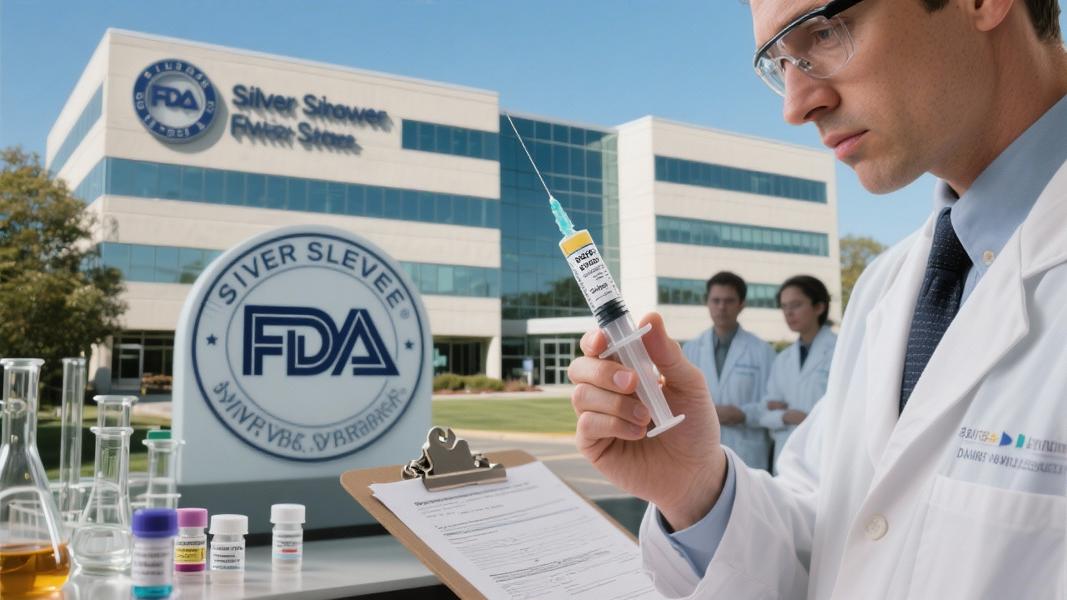
The FDA is taking a closer look at two popular drugs designed to protect infants and toddlers from respiratory syncytial virus (RSV), though officials emphasize no new safety concerns have emerged so far.
In what regulators describe as a routine safety evaluation, both Merck’s Enflonsia and Sanofi’s Beyfortus are under review as part of the FDA’s ongoing monitoring of medications that shield vulnerable babies from the potentially dangerous respiratory infection. A spokesman for the FDA indicated the agency “will update product labeling if warranted by the totality of the evidence.”
Why now? The review comes amid growing use of these injectable medications, which received strong recommendations from the Centers for Disease Control and Prevention in 2023 for high-risk infants. RSV typically causes mild cold-like symptoms in most people, but can lead to serious, sometimes life-threatening complications in young children and older adults.
Companies Welcome Scrutiny
Merck appears unfazed by the FDA’s inquiry. The pharmaceutical giant stated, “We expect questions from the FDA, and we want them to ask. We believe deeply in the importance of transparency and we value the FDA’s rigorous review of our clinical data of all of our products.”
Merck’s Enflonsia is specifically approved to protect babies before or during their first RSV season, which typically spans about five months during fall and winter when the virus is most prevalent.
Similarly, Sanofi has expressed confidence in Beyfortus’s safety profile, noting that no safety issues have emerged despite extensive real-world use. “At this time, no safety issue has been identified from clinical studies of (Beyfortus) or from post-marketing experience with more than 6 million babies immunized worldwide,” the company emphasized in a statement.
The CDC recommended these antibody shots for infants born just before or during RSV season — particularly if the mother hadn’t received an RSV vaccine during late pregnancy.
Broader Context of RSV Protection
These reviews come against a backdrop of generally positive safety data for RSV vaccines. A systematic review of FDA-approved RSV vaccines including Arexvy, Abrysvo, and mResvia found remarkably low rates of serious adverse events — fewer than 0.8% across all products. Most side effects were limited to injection site reactions that typically resolved within 48 hours.
The effectiveness numbers are particularly impressive. GSK’s Arexvy reduced the incidence of RSV-associated lower respiratory tract disease by 82.6% and slashed severe cases by an even more dramatic 94.1% in a Phase III trial involving 25,000 participants.
That said, safety monitoring has led to some label updates for RSV vaccines. In October 2025, the FDA mandated a boxed warning about potential Guillain-Barré Syndrome (GBS) in the prescribing information for both Abrysvo and Arexvy following post-marketing surveillance.
GSK was specifically required to conduct additional studies “to understand the indicators for elevated risk of Guillain-Barre syndrome and acute disseminated encephalomyelitis” as part of Arexvy’s approval conditions.
Looking Forward
For parents concerned about these medications, experts suggest keeping the review in perspective. The current FDA evaluation represents standard practice for relatively new therapies, especially those administered to vulnerable populations like infants.
The timing of this review is particularly relevant as families prepare for next fall’s RSV season. Any potential updates to labeling or recommendations would likely be in place before most infants would receive their next doses.
For now, the protective benefits of these medications continue to outweigh known risks, with millions of doses administered globally showing consistent safety profiles. As one healthcare provider put it: sometimes the most reassuring safety news is simply the absence of unexpected signals after widespread use.
