
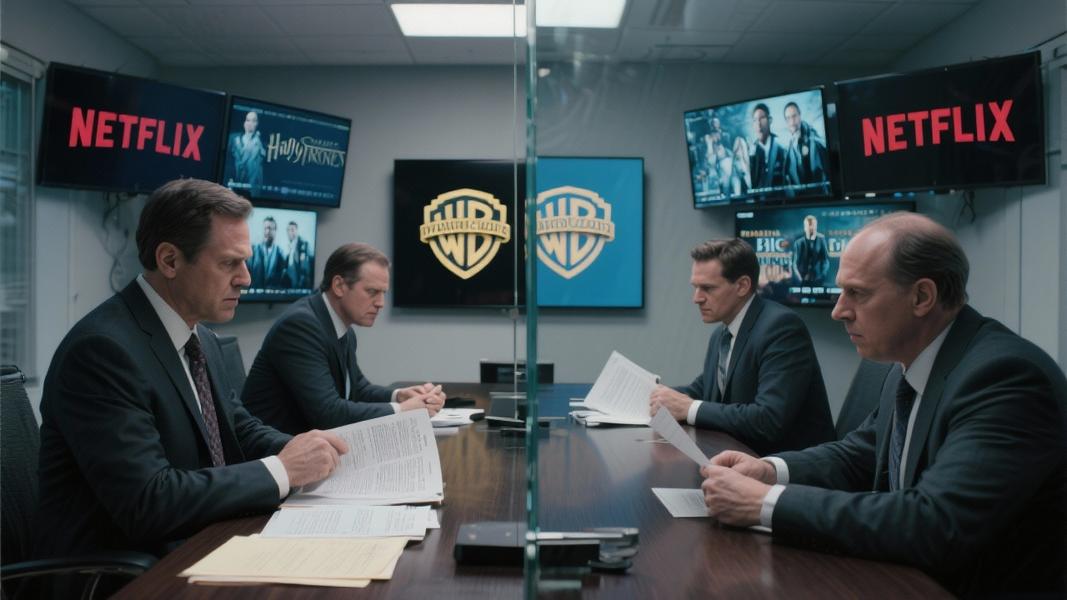
Netflix’s mammoth $72 billion bid to acquire Warner Bros. Discovery’s studio and streaming businesses has triggered a consumer class action lawsuit, marking the latest challenge to what could be the entertainment industry’s biggest shakeup in decades.
Filed on December 8, 2025, by an HBO Max subscriber, the lawsuit claims the proposed mega-merger would substantially reduce competition in the U.S. subscription video-on-demand market by eliminating one of Netflix’s primary competitors. The plaintiff alleges that “Netflix has demonstrated repeated willingness to raise subscription prices even while facing competition from full-scale rivals such as WBD” — suggesting prices could climb even higher if the deal proceeds.
What’s at stake? The acquisition would bring Warner Bros.’ treasure trove of iconic franchises — including Harry Potter, DC Comics, and Game of Thrones — under Netflix’s already expansive umbrella, while potentially spelling the end for HBO Max as a standalone streaming service. Critics fear this consolidation could dramatically reshape the streaming landscape consumers have grown accustomed to over the past decade.
Political Pushback Mounting
The consumer lawsuit isn’t the only headache for Netflix executives. The deal has also drawn fierce criticism from Capitol Hill, with Senator Elizabeth Warren characterizing it as “an anti-monopoly nightmare” that demands regulatory scrutiny.
Interestingly, some reports cite the acquisition value at $83 billion rather than $72 billion, highlighting the fluid nature of the negotiations and the massive scale of the proposed transaction regardless of the final figure.
Hollywood guilds and labor organizations have joined the chorus of opposition, with many insisting that “this merger must be blocked” to protect creative diversity and prevent further industry consolidation. The pushback reflects growing concerns about media ownership concentration in an era when streaming platforms increasingly control both distribution and content creation.
Can federal regulators be persuaded to intervene? Antitrust experts are closely watching the case, which comes amid a broader Biden administration crackdown on corporate consolidation. The Department of Justice and Federal Trade Commission have both signaled increased scrutiny of deals that could reduce competition, even in rapidly evolving digital markets.
Streaming’s Shifting Landscape
The proposed acquisition represents a dramatic evolution in the streaming wars that began when Netflix first pivoted from DVD rentals to online content delivery. HBO Max, launched in 2020, has been one of the few services able to challenge Netflix’s dominance with its combination of prestige programming and blockbuster film releases.
Industry analysts point out that reducing the number of major streaming competitors could potentially reverse years of consumer-friendly innovation that flourished during the height of streaming competition.
The legal challenges and regulatory hurdles ahead suggest Netflix’s path to acquiring Warner Bros. Discovery will be anything but smooth. For consumers who’ve grown accustomed to choosing between multiple streaming options, the outcome of this battle could determine whether that choice remains — or whether the streaming revolution ends with a new kind of monopoly wearing Netflix’s red logo.
