
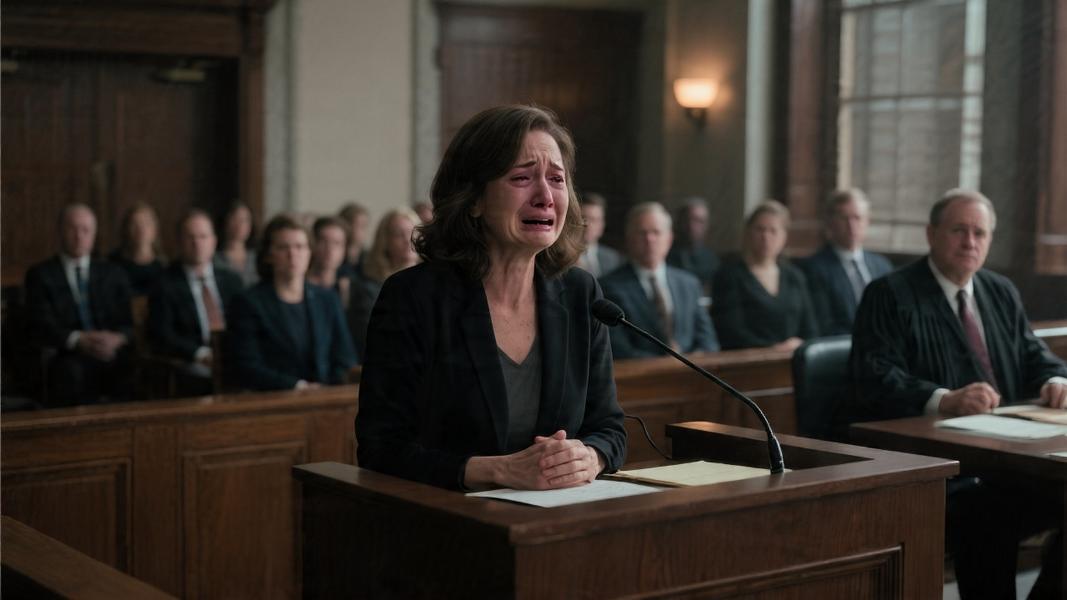
The trial of Tanner Horner has never been short on gut-wrenching moments — but what unfolded in a Wise County courtroom this week may have been the hardest to watch yet.
Horner, the former FedEx driver convicted of abducting and killing six-year-old Athena Strand in November 2022, is currently in the sentencing phase of his trial. The proceedings have drawn renewed attention as new evidence, emotional testimony, and deeply personal details continue to surface — painting a fuller, more disturbing picture of both the crime and the man at the center of it.
Letters From Jail, Words That Couldn’t Undo Anything
Among the most striking pieces of evidence introduced during the trial were letters Horner wrote from jail — addressed, remarkably, to the family of the little girl he killed. Prosecutors have used those letters to illustrate what they describe as a calculated attempt at self-preservation rather than genuine remorse. Whether jurors see it that way is another matter entirely, but the letters have cast a long shadow over the proceedings.
Still, the written words are almost secondary to what investigators captured on audio. Recordings from inside Horner’s FedEx delivery van during the abduction have been presented in court, offering a chilling, real-time account of what happened to Athena in the final moments before her disappearance was even reported. Those recordings have been described by sources close to the case as deeply disturbing — the kind of evidence that doesn’t leave a jury easily.
A Crime That Shook a Community to Its Core
It’s worth stepping back for a moment. Athena Strand went missing on November 30, 2022, near her home in Paradise, Texas. She had been visiting her stepmother’s residence when, investigators say, Horner encountered her while making a delivery. He was arrested just days later and confessed, according to authorities. Her body was recovered shortly after. She was six years old.
The case sent a wave of grief and fury through North Texas — and beyond. Here was a child, steps from her own front door, taken by a stranger who had every reason to keep driving. The senselessness of it has never really faded, and the trial has done little to dull that edge.
The Sentencing Phase: What’s at Stake
Horner has already been convicted. That part is settled. What the jury is now deciding is whether he lives or dies. Capital murder cases in Texas carry that weight — life in prison or the death penalty — and both sides have spent the sentencing phase attempting to define who Tanner Horner really is.
Prosecutors have leaned into the evidence: the recordings, the letters, the timeline of the crime itself. Defense attorneys, meanwhile, have worked to introduce context about Horner’s background, his mental state, his history. It’s a familiar dynamic in capital cases, but that doesn’t make it any less tense to watch play out in real time.
How do you weigh a life against the one that was taken? That’s not a legal question so much as a human one, and it’s the question this jury is quietly carrying into deliberations.
A Trial That Isn’t Over Yet
Testimony is ongoing, and the courtroom in Wise County has remained packed throughout. Athena’s family has been present. The media coverage has been sustained and intense, as it has been since the moment her name first appeared on a missing child alert nearly two and a half years ago. Some cases fade from the public consciousness before they’re resolved. This one hasn’t.
The proceedings are expected to continue in the days ahead, with additional witnesses and arguments still to come before the jury is asked to render its final decision. Every session, it seems, brings something new — another document, another recording, another person taking the stand to try to explain the inexplicable.
In the end, no verdict will give Athena Strand’s family what they actually lost. But in a courtroom in North Texas, they’re watching the system try anyway — and the whole state is watching with them.
