
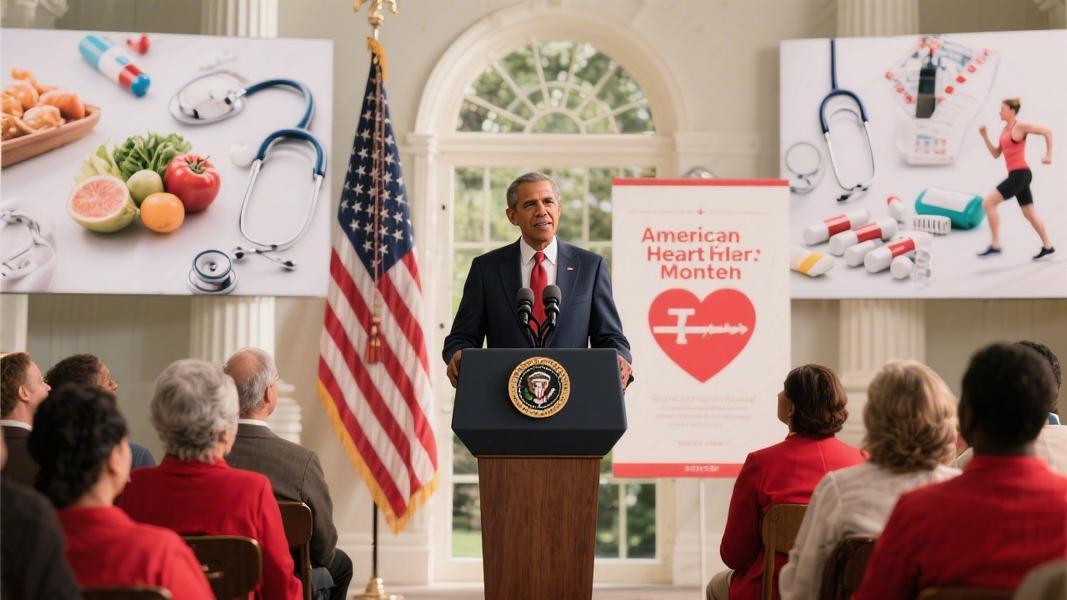
Heart disease remains America’s deadliest health threat, with the White House launching aggressive new measures to combat a condition that affects millions of Americans across all age groups.
In a presidential message marking American Heart Month this February, President Trump highlighted the devastating impact of cardiovascular disease on American families while outlining his administration’s multi-pronged approach to addressing what he called “one of the gravest threats to American lives today.” The message, released earlier this week, comes as health officials estimate up to 80% of heart disease cases could be prevented through better management of key risk factors.
Prevention Takes Center Stage
Despite genetic factors that contribute to heart disease risk, the President’s message emphasized that lifestyle modifications can dramatically improve outcomes. “Implementing targeted lifestyle choices and preventative measures—such as getting regular check-ups, exercising, controlling blood pressure and cholesterol, and maintaining a balanced diet—can improve the odds against illness, disability, and death for any individual regardless of family history,” the statement noted.
The timing is significant. This year’s American Heart Month coincides with broader national health initiatives, including a House resolution supporting the month-long awareness campaign. Meanwhile, the Department of Veterans Affairs has highlighted that heart disease remains the leading cause of death for both men and women in the United States.
What’s different this time around? The administration appears to be integrating heart health into its broader health policy agenda, with Trump mentioning the “Make America Healthy Again Commission” that he says is “working tirelessly to improve the quality of life and longevity for every American and to ensure our healthcare system addresses the root causes of chronic disease.” The commission’s work represents a shift toward preventative care rather than just treatment.
Drug Pricing Takes Center Stage
Perhaps most notable is the administration’s focus on prescription drug affordability. “My Administration has secured historic agreements with pharmaceutical manufacturers to significantly lower the price Americans pay for some of the world’s most popular drugs that can help with heart disease, obesity, and other conditions,” Trump stated, pointing to the launch of TrumpRx.gov as a resource for patients seeking lower prices.
The White House is also pushing Congress to enact what it calls the “Great Healthcare Plan,” building on existing efforts to provide Most-Favored-Nation price relief for prescription drugs. This approach, according to the administration, “will substantially benefit millions of Americans” by reducing costs for critical medications, including those for heart conditions.
Medical professionals have cautiously welcomed some of the administration’s health initiatives. The American College of Cardiology President praised the administration’s new Dietary Guidelines for their “focus on eating whole fruits and vegetables; limiting added sugars, highly processed foods, saturated fats and sugary drinks; and incorporating whole grains and healthy fats.”
A Symbolic Year
The heart health push comes during what the President has proclaimed as “a Year of Celebration and Rededication” marking the 250th anniversary of the Declaration of Independence. The symbolism isn’t subtle — officials appear to be framing heart health as a matter of national importance during this milestone year.
Beyond medication and diet, the American Heart Association continues to emphasize emergency response through its Hands-Only CPR campaign. The organization reports that CPR, developed in the 1960s, has doubled or tripled survival rates for cardiac arrest victims when performed promptly.
Critics may question whether these initiatives represent substantive policy shifts or merely repackaging of existing programs. Still, the administration’s emphasis on prevention alongside treatment marks a notable approach in a healthcare system often criticized for addressing symptoms rather than causes.
For millions of Americans with heart disease — or at risk of developing it — the real test will be whether these initiatives translate into measurable improvements in cardiovascular outcomes in the years ahead.
