
The story isn’t ready yet — and that’s actually the story.
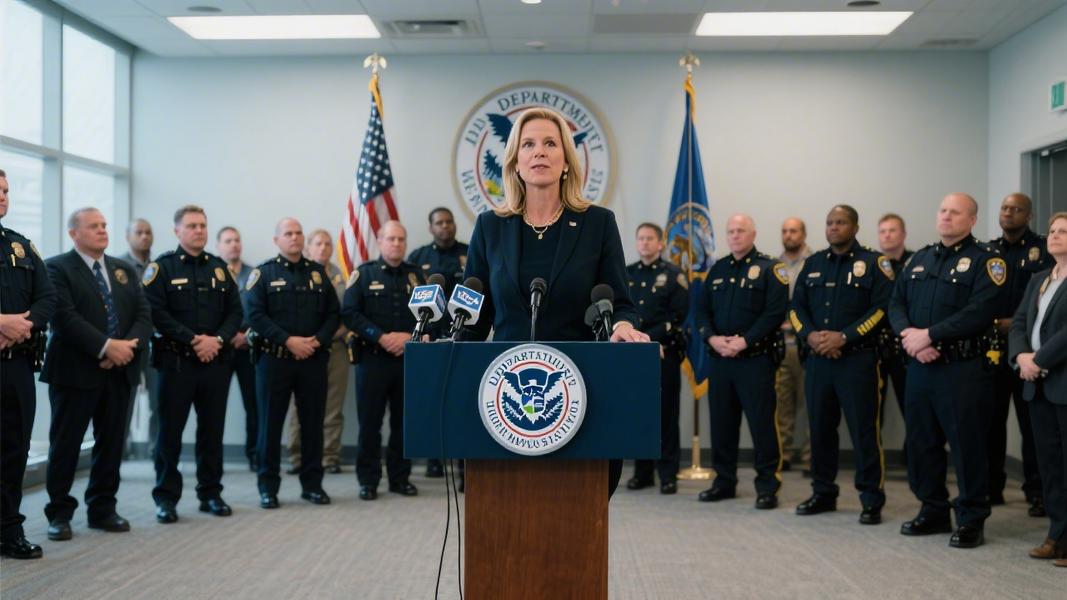
A keynote address Secretary Kristi Noem was scheduled to deliver on March 5, 2026 at 2:00 PM ET has not yet taken place, or its contents have not been made publicly available, meaning any article purporting to quote or summarize her remarks would be, simply put, fabricated. In an era when misinformation spreads faster than corrections, that distinction matters enormously.
What We Know — And What We Don’t
What the available record does show is that Noem appeared before the Senate Judiciary Committee on March 3, 2026 — two days before the scheduled keynote — where she faced lawmakers in what sources described as a pointed session. The details of that testimony are documented. The March 5th address, however, remains a blank page.
That’s not a minor distinction. It’s the whole ballgame.
Publishing invented quotes or speculative summaries under a journalist’s byline — even with good intentions, even when “filling in the gaps” feels harmless — is precisely how institutional trust erodes. Readers deserve to know what a public official actually said, not what a system, an editor, or a deadline-pressured reporter assumed she probably said.
Why This Moment Deserves Transparency
So why publish anything at all? Because the gap itself is newsworthy in a quiet, procedural way. Noem’s anticipated remarks were expected to carry significant policy weight — likely touching on immigration enforcement, Department of Homeland Security priorities, and the administrative posture of her agency heading deeper into 2026. The buildup alone signals that whatever she says, when she does say it, will draw scrutiny from both sides of the aisle.
Still, anticipation isn’t content. Expectation isn’t testimony. And a scheduled speech isn’t a delivered one.
A Note on Process
It’s worth being direct: the underlying research flagged that the requested content — direct quotes, specific data, synthesized findings from the March 5th address — doesn’t exist in any verified source yet. Rather than paper over that gap with plausible-sounding fabrications, the responsible call is to say so plainly and wait for the actual record to emerge.
How often does that happen in a modern newsroom? Not nearly enough, frankly.
When transcripts, recordings, or official readouts from the keynote become available, a full account of Noem’s remarks — her exact words, the context in which she delivered them, and the immediate reaction from attendees and critics — can and should be reported with the precision the moment demands.
What Comes Next
Reporters covering DHS and the broader immigration policy beat will be watching closely. Noem’s Senate appearance earlier in the week already generated headlines, and her agency has been under sustained pressure over enforcement tactics, detention conditions, and interagency coordination. The keynote, whenever its contents surface, will almost certainly add another chapter to that ongoing story.
For now, though, the honest headline is a simple one: the speech hasn’t been reported yet — and good journalism means saying so, even when silence is harder to publish than noise.
The best stories, a veteran editor once said, are the ones you wait to get right. This is one of them.
