
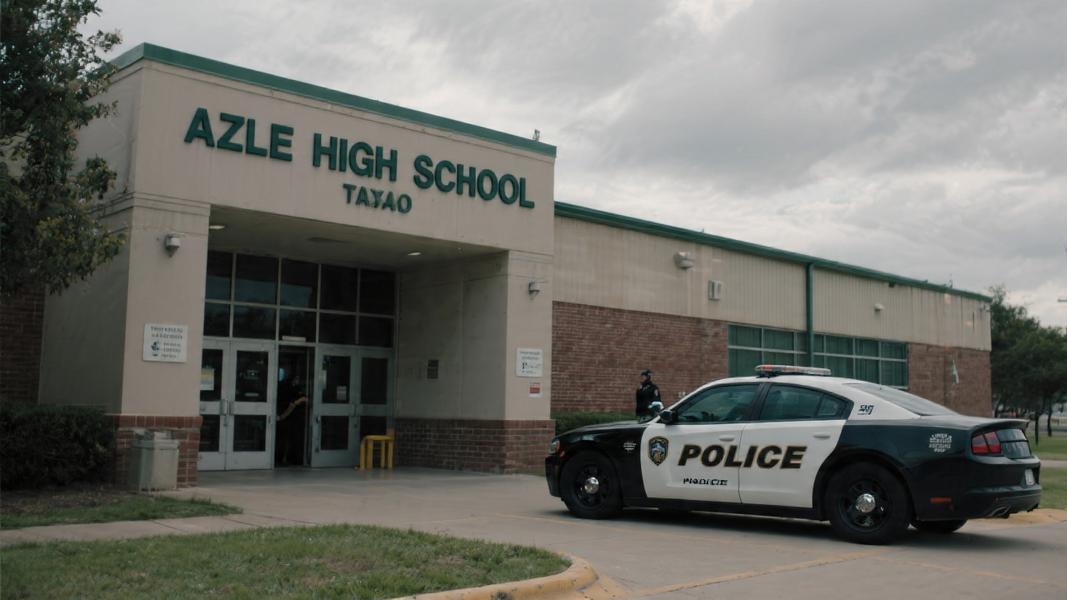
Three educators. Multiple arrests. One school district in Texas — and the questions just keep piling up.
Azle Independent School District, a mid-size suburban district in Tarrant County, is facing an extraordinary wave of scrutiny after a series of separate criminal cases involving current and former staff members have surfaced in quick succession, raising uncomfortable questions about oversight, accountability, and whether the district moved fast enough to protect its students.
A Pattern That’s Hard to Ignore
The most recent arrest involves Sawyer E. Stinchfield, a former Azle High School special education teacher, who was taken into custody following an incident on April 9, 2026. Stinchfield faces a charge of assault against an elderly or disabled individual — a troubling allegation for anyone, but particularly jarring given his role working directly with vulnerable students, as documented by Texas Scorecard.
But Stinchfield’s case is just one thread in what’s become a deeply tangled story. Carlos Alberto Font Santiago, 31, a former Azle High School girls’ sports coach and Spanish teacher, was arrested earlier this year on charges of improper relationship between an educator and student — a second-degree felony under Texas law. Font Santiago’s case, outlined by Fox 4 News, has since spiraled into a full-blown federal lawsuit.
And then there’s Christina Starnes, 37, an Azle ISD teacher accused of sexual assault and improper relations with a minor — allegations involving oral sex in a car on January 27, according to details published by the Fort Worth Star-Telegram. Three educators. Three separate criminal cases. One district.
The Lawsuit That Could Change Everything
How bad is it? Bad enough that a former Azle student has taken the district to federal court. The lawsuit names not just the district itself, but Superintendent Todd Smith and former Athletic Director Rebecca Spurlock as defendants — alleging that Font Santiago sexually assaulted the student repeatedly during her sophomore and junior years, in 2021 and 2022, and that school officials knew, or should have known, and did nothing.
The student’s attorney didn’t mince words. “Simply put, my client believes the evidence will show that she was sexually abused over a period of many months over her sophomore and junior year at Azle ISD by Mr. Font-Santiago, and that the school district covered it up,” attorney Tanner said, in remarks reported by Fox 4. That phrase — “covered it up” — is the kind of language that tends to echo in courtrooms and school board meetings alike.
Still, the district isn’t without defenders. Azle Police Chief Ben Hall pushed back on criticism over the timing of Font Santiago’s arrest, explaining that officers needed proper warrants in place and were deliberately trying to avoid making an arrest during an active student event — a school game — where the risk to bystanders could have been elevated. It’s a procedural explanation. Whether the public finds it satisfying is another matter entirely.
What It Means for the District
That’s the catch. Each of these cases, taken individually, might be written off as an isolated failure — one bad actor slipping through the cracks. But three cases, across different roles, different alleged victims, and different types of misconduct? That’s harder to explain away. It starts to look less like a crack and more like a fault line.
Texas law takes educator misconduct seriously, and an improper relationship charge — Font Santiago’s initial charge — carries the weight of a second-degree felony, potentially punishable by two to twenty years in prison. The stakes, legally and institutionally, couldn’t be higher for Azle ISD right now.
Parents, students, and community members are left waiting for answers that, so far, haven’t fully come. The federal lawsuit may eventually force some of those answers into the open — depositions have a way of doing that. But for a district that’s supposed to be in the business of education, the next few months look less like a school calendar and more like a legal gauntlet.
Three arrests. A federal lawsuit. And a community left wondering: if the adults in the building can’t be trusted, who’s actually watching out for the kids?
