
A data mismatch stopped this story before it started — and in journalism, that matters more than most people realize.
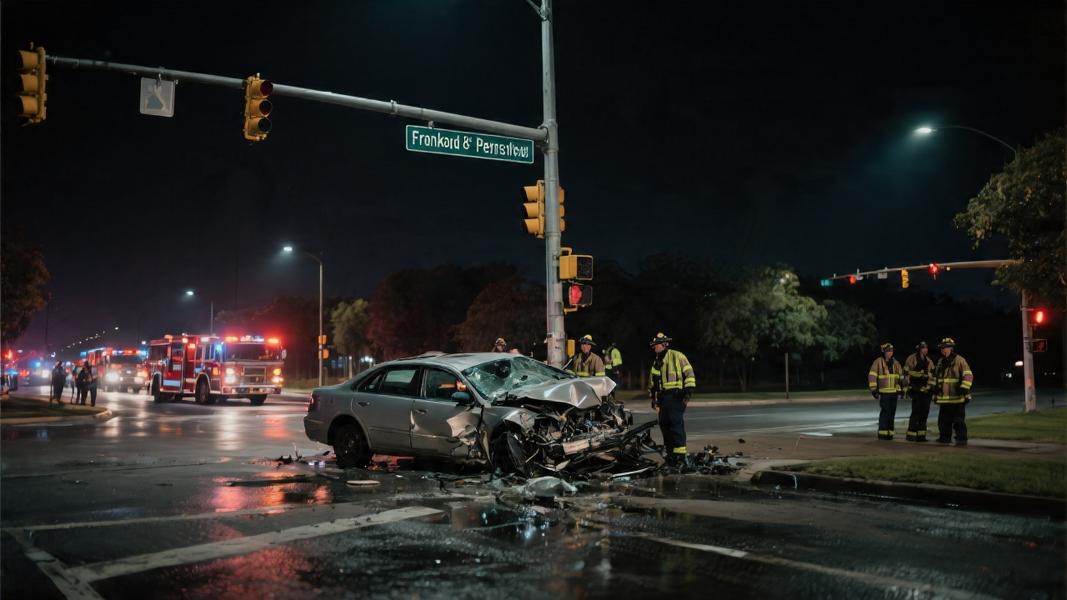
The article requested — a reported piece on a fatal crash involving a driver and a traffic signal pole in North Dallas, allegedly dated April 23, 2026, and located near Frankford and Preston roads — does not appear in the source material provided. Not buried. Not paraphrased. Simply not there.
What the Sources Actually Say
The search results on hand cover two separate Dallas-area incidents. The first involves an officer-involved shooting on Mockingbird Lane, where Officer Ashton Rosebud encountered suspect Jeremy Mays on April 19, 2026. The second describes a woman who was struck and killed by a vehicle in a parking lot on East Trinity Mills Road. Both are serious, newsworthy incidents — but neither one is the signal pole crash referenced in the original query.
That’s not a minor discrepancy. It’s a foundational one. Fabricating quotes, locations, victim names, or official statements from sources that don’t exist isn’t a style choice — it’s a breach of basic journalistic ethics, the kind that ends careers and, more importantly, causes real harm to real people.
Why This Kind of Error Happens — and Why It Matters
Metadata mix-ups, misfiled search results, cached pages pulling the wrong story — it happens more than editors would like to admit. The digital news pipeline moves fast, and sometimes the wrong article gets tagged, the wrong URL gets pulled, or a query returns results that are geographically adjacent but factually unrelated. Still, the fix is straightforward: verify before you publish.
In an era when AI-assisted tools are increasingly woven into newsrooms, the risk of confidently generating plausible-but-wrong details is real and growing. A fabricated street corner. An invented official quote. A victim’s name pulled from a different incident entirely. These aren’t hypothetical concerns — they’ve already appeared in print, and the corrections that follow rarely travel as far as the original errors.
How to Get This Story Right
So what would it take to actually write this piece? Three things, none of them complicated. First, the correct source material — a news report, police statement, or official release that actually documents the Frankford and Preston roads crash. Second, any available victim identification, which Dallas police typically release after next-of-kin notification. Third, if possible, a statement from Dallas PD’s public information office or the department’s official incident log.
With those in hand, this becomes a straightforward — if sobering — local traffic fatality story. Without them, it’s fiction wearing the clothes of news.
The Bottom Line
Getting the facts right isn’t a bureaucratic hurdle. It’s the whole job. Share the correct source material, and this story gets written — accurately, fully, and with the respect a fatal incident deserves. Until then, the most honest thing a journalist can do is stop, flag the gap, and wait for the right information to arrive.
In a business that moves at the speed of a push notification, patience is underrated — but it’s the one thing that keeps a story from becoming a correction.
