
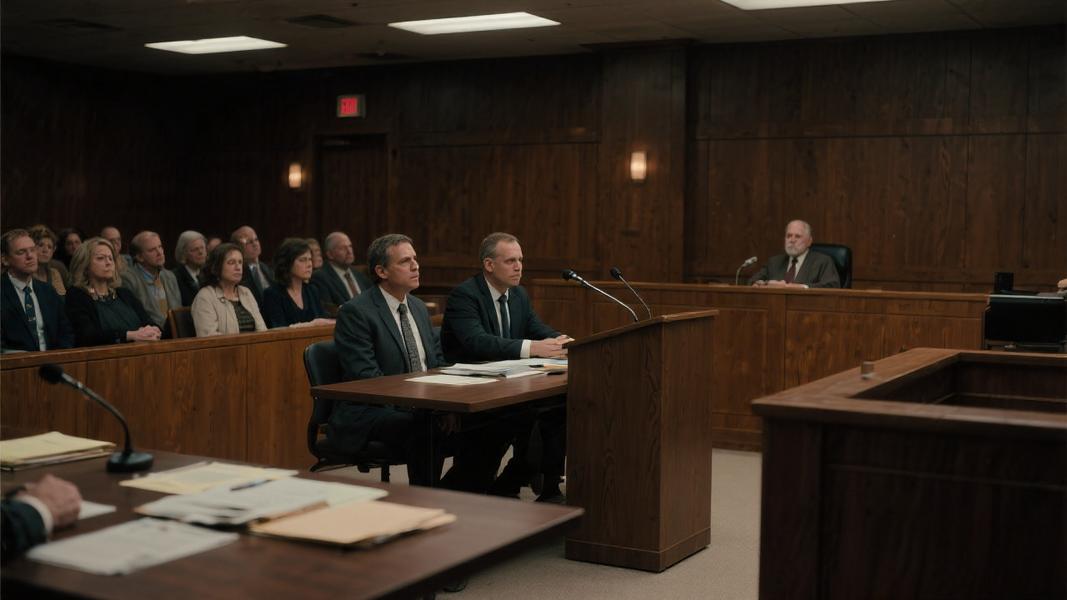
A Texas courtroom sat through some of the most difficult testimony yet on Thursday, as defense attorneys for Tanner Horner laid out a portrait of a deeply troubled man whose lawyers say a lifetime of undiagnosed struggles helped shape the conditions that preceded one of the state’s most heartbreaking crimes.
Day 12 of Horner’s punishment phase — the proceeding that will determine whether he lives or dies — focused heavily on his autism spectrum disorder diagnosis and the fractured background that defense witnesses say went largely unaddressed for years. Horner, a former FedEx driver, pleaded guilty to the capital murder and kidnapping of seven-year-old Athena Strand in November 2022, a case that shook Parker County and drew national attention.
What the Defense Is Arguing
The guilt isn’t in dispute. It hasn’t been since Horner entered his plea. What’s being fought over now is something harder to quantify — whether the circumstances of his life, his neurodevelopmental condition, and his psychological history are enough to spare him from a death sentence. That’s the entire ballgame at this point.
Defense attorneys presented evidence Thursday aimed at contextualizing Horner’s autism diagnosis, calling witnesses who described how the condition — when left undiagnosed and unsupported through childhood — can profoundly affect social development, impulse regulation, and a person’s ability to process emotional consequences. It’s a familiar mitigation strategy in capital cases, but that doesn’t make it any less significant here.
Still, the prosecution has made clear it intends to push back hard. Athena Strand was seven years old. She had gone for a walk near her home in Wise County when Horner, delivering packages in the area, abducted and killed her. Her body was found days later. Whatever the defense presents in that courtroom, those facts don’t leave the room.
A Life the Defense Says Was Missed
So who is Tanner Horner, according to his own legal team? Thursday’s testimony painted a picture of someone who slipped through the cracks — a person whose behavioral and developmental red flags were either misread or ignored entirely during formative years. Defense witnesses described a childhood marked by social isolation, difficulty forming relationships, and a persistent inability to connect with peers in the ways most children do naturally.
Autism spectrum disorder, experts have noted in similar proceedings, doesn’t excuse criminal behavior. But in capital punishment trials, juries are asked to weigh everything — every thread of a person’s life — when deciding whether death is the appropriate sentence. That’s what the Eighth Amendment requires, and that’s what the defense is banking on.
Does any of it change what happened to Athena? No. Nothing will. But in the architecture of a capital trial, mitigation evidence exists precisely for moments like this — uncomfortable, contested, and necessary all at once.
The Road Ahead
The punishment phase has now stretched into nearly two weeks, a reported indication of just how much both sides have to say. The defense is expected to continue presenting witnesses in the coming days before the case is ultimately handed to the jury, which will decide between a death sentence and life in prison without the possibility of parole.
Horner has shown little visible emotion throughout the proceedings, according to courtroom observers — a detail that, fairly or not, tends to linger in the minds of jurors long after the formal testimony ends.
For the Strand family, who have sat through day after day of clinical testimony about the man who killed their daughter, every session is its own particular kind of endurance. The trial may be about Tanner Horner’s future. But in that courtroom, Athena’s absence is the loudest thing in it.
