
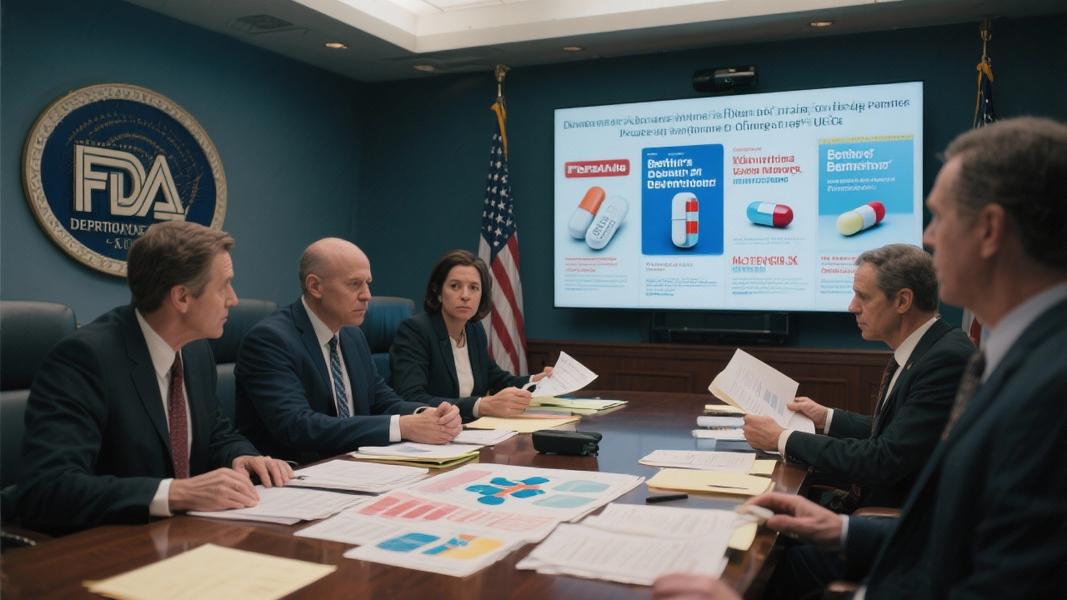
Trump administration takes aim at drug ads, signaling major shift in pharmaceutical marketing regulation. The push for stricter oversight of prescription drug advertisements is gaining momentum under a new presidential memorandum that could fundamentally change how Americans see medication marketed on their screens.
In a memorandum issued earlier this month, President Donald J. Trump directed both the Secretary of Health and Human Services and the FDA Commissioner to strengthen enforcement of truthful, non-misleading direct-to-consumer prescription drug advertising. The directive emphasizes concerns that current advertisements “can mislead the public about the risks and benefits, encourage medications over lifestyle changes, inappropriately intervene in the physician-patient relationship, and advantage expensive drugs over cheaper generics,” according to the White House memorandum.
A History of Loosening Restrictions
The FDA has regulated prescription drug advertising since 1962, but critics argue that requirements have gradually softened over the decades. This has coincided with an explosion in pharmaceutical advertising spending, particularly on television, where rapid-fire risk disclosures often play against distracting visuals.
The agency’s updated guidance from 2024 already urged pharmaceutical companies to present medication risks as clearly as benefits, specifically “discouraging the use of tiny text, distracting visuals, and rapid-fire voiceovers,” as noted by consumer health advocates. These guidelines sought to improve public comprehension by requiring consumer-friendly language and clearer visual presentations.
But are these measures enough? Many critics, including Health and Human Services Secretary Robert F. Kennedy Jr., don’t think so.
Kennedy’s Crusade Against Drug Ads
Secretary Kennedy has emerged as a particularly vocal opponent of television prescription drug advertisements. He has repeatedly “argued that drug commercials contribute to overutilization of prescription drugs and drive up federal health care costs,” positioning the issue as both a health and fiscal concern.
The administration’s efforts align with legislative action in Congress. Senators Bernie Sanders and Angus King introduced the End Prescription Drug Ads Now Act in 2025, which would go further by prohibiting direct-to-consumer advertising of approved prescription drugs and biologics entirely, while carving out exemptions for devices, supplements, and unapproved drugs.
Legal experts warn, however, that such sweeping restrictions face significant constitutional hurdles. “If enacted, the End Prescription Drug Ads Now Act would almost certainly be challenged on constitutional grounds and may not withstand scrutiny under the First Amendment,” according to legal analysis from specialists in pharmaceutical regulation.
Social Media in the Crosshairs
The FDA isn’t waiting for new legislation to flex its regulatory muscle. The agency has already intensified enforcement actions targeting pharmaceutical promotions on social media platforms.
In May 2025, the FDA issued a warning letter to Sprout Pharmaceuticals over Instagram content promoting Addyi (flibanserin), a medication for hypoactive sexual desire disorder in premenopausal women. “The now-flagged Instagram post, shared by Eckert, touted Addyi’s benefits but left out crucial safety information and important details on for the indicated population,” according to regulatory observers. The drug carries serious safety warnings, including a boxed warning about severe low blood pressure and fainting risks.
Such enforcement actions signal that even as the broader legal framework remains in flux, the FDA is already tightening its grip on pharmaceutical marketing across all platforms.
The pharmaceutical industry has long defended direct-to-consumer advertising as educational and empowering for patients. Critics counter that the $6 billion spent annually on such marketing drives unnecessary prescriptions and contributes to America’s uniquely high healthcare costs.
Whatever the outcome of these regulatory and legislative efforts, one thing seems certain: the days of prescription drug ads with smiling seniors strolling through meadows while a narrator speed-reads side effects may be numbered.
