
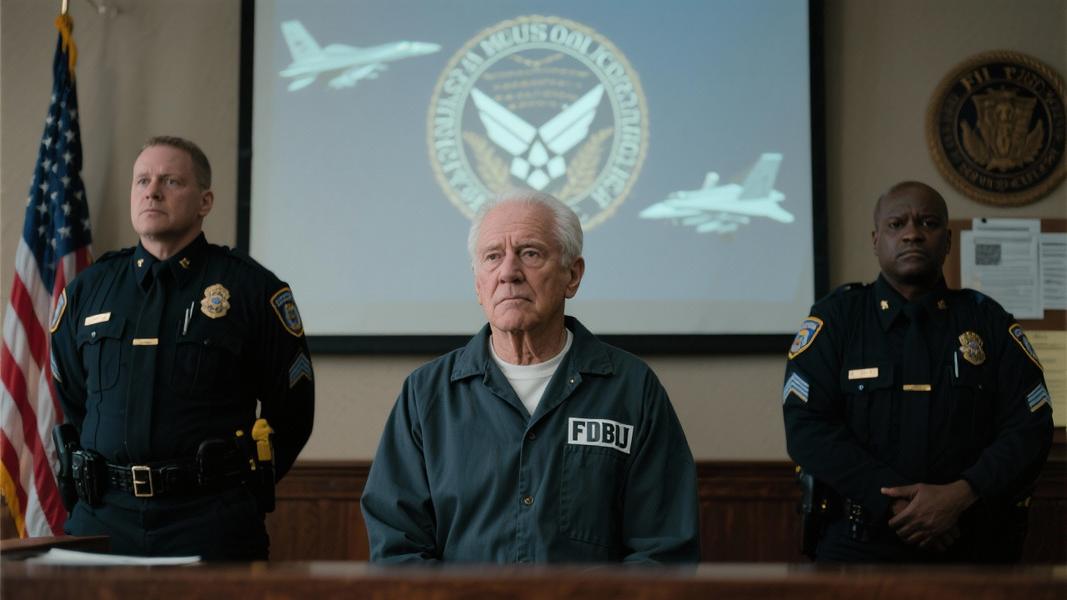
Former Defense Contractor Sentenced to Over 10 Years for Attempted Espionage
A 67-year-old former defense contractor with nearly four decades of access to America’s military secrets will spend the next decade behind bars for trying to sell classified information to Russia.
John Murray Rowe Jr. of Lead, South Dakota, received a 126-month prison sentence followed by three years of supervised release and a $25,000 fine after pleading guilty to attempted espionage, the Justice Department announced this week.
From Trusted Engineer to National Security Threat
For nearly 40 years, Rowe worked as a test engineer for multiple defense contractors, holding security clearances ranging from SECRET to TOP SECRET//SCI while working on sensitive U.S. Air Force electronic warfare technology, according to court documents.
But his career ended abruptly in March 2018 when he was terminated after being identified as a potential insider threat following several security violations and suspicious inquiries about Russia and classified information.
What happened next exposed a stunning willingness to betray his country. Beginning in March 2020, Rowe exchanged over 300 emails with someone he believed was a Russian operative but who was actually an undercover FBI agent. During these communications, he explicitly admitted his disloyalty to the United States.
“If I can’t get a job [in the United States] then I’ll go work for the other team,” Rowe told the undercover agent, making clear his motivations were both financial and vindictive.
Classified Details Disclosed
The betrayal went beyond just words. During in-person meetings with the undercover agent in March and September 2020, Rowe disclosed classified details about U.S. Air Force electronic countermeasure systems used on fighter jets — information that could potentially compromise American military advantages in the field.
Perhaps most remarkable? Even after being arrested and placed in pretrial detention, Rowe continued to disclose classified national defense information during recorded prison phone calls to relatives and an associate, seemingly unable to stop himself from revealing sensitive information.
Assistant Attorney General John A. Eisenberg didn’t mince words about the severity of Rowe’s actions.
“The defendant spent decades working on sensitive U.S. defense programs and was entrusted with safeguarding protected and classified information about military technology,” said Eisenberg. “Instead of honoring that trust and his legal responsibilities as a clearance holder, he chose to violate both – repeatedly and willfully attempting to disclose classified information to someone he believed was a foreign agent.”
A Matter of National Security
How serious was the potential damage? Officials say Rowe’s actions directly endangered American lives and national security interests by attempting to give Russia classified information about systems designed to protect U.S. military aircraft.
U.S. Attorney David Metcalf emphasized that Rowe’s betrayal was particularly egregious given his background. “Despite his knowledge, training, experience, and decades of work as a military contractor, Rowe chose to betray the trust placed in him by his country,” Metcalf stated. “His repeated, willful efforts to harm the U.S. by divulging sensitive defense information to an adversary are inexcusable.”
FBI Assistant Director Roman Rozhavsky delivered perhaps the most pointed warning to others who might consider similar actions: “Anyone tempted to violate their oath to safeguard classified information should understand the severe consequences — and remember the FBI will never stop until we bring you to justice.”
The case serves as a stark reminder that in the world of national security clearances, the greatest threats sometimes come not from sophisticated foreign intelligence operations, but from trusted insiders who, for reasons of greed, resentment, or ideology, decide to betray the very systems they once helped protect.
