
Lung cancer will claim nearly 125,000 American lives in 2025, making it deadlier than breast, pancreatic, and prostate cancers combined. Despite its devastating impact, this disease remains both underfunded and misunderstood by much of the public.
An estimated 226,650 Americans will receive a lung cancer diagnosis next year, accounting for approximately 11.1% of all new cancer cases, according to data published by the Cancer Therapy Advisor. The disease continues to be the leading cause of cancer death nationwide, with projections showing 124,730 deaths expected in 2025.
A Deadly Disease with Geographic Disparities
The burden of lung cancer isn’t distributed equally across the country. “Close to 227,000 people will be diagnosed with lung cancer this year, with the rate of new cases varying by state,” the American Lung Association notes in their annual State of Lung Cancer report. “The report finds that Utah best lung cancer rate while Kentucky has the worst at more than 2.3 times the incidence rate of Utah.”
Why such stark differences? The answer largely comes down to smoking rates. “The most important risk factor for developing lung cancer is tobacco smoking, which is responsible for approximately 85% of all cases,” the International Agency for Research on Cancer explains.
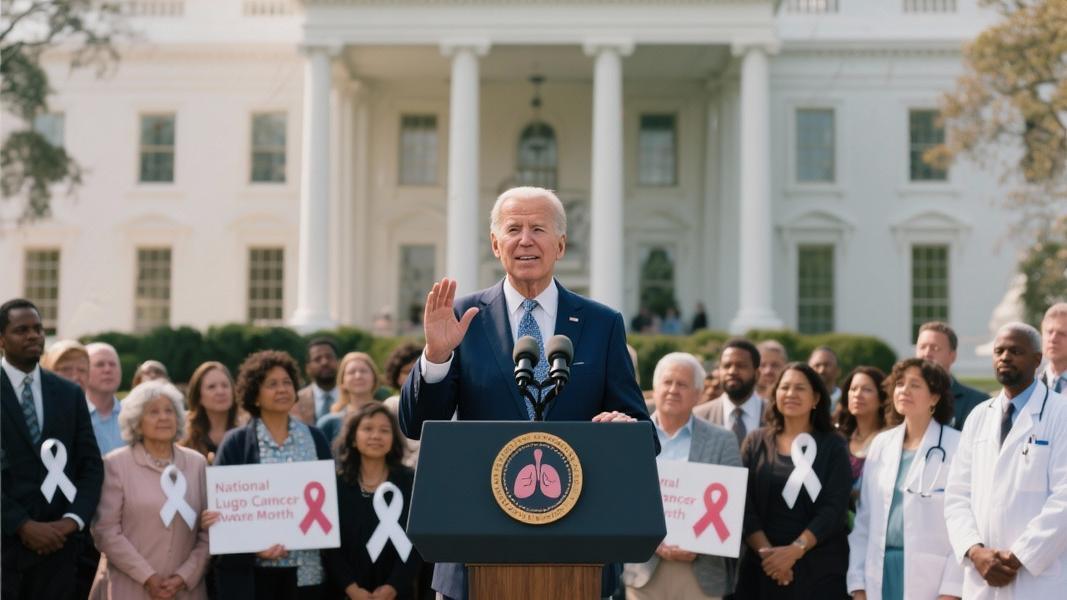
But it’s not just smokers who should be concerned. Lung cancer remains one of the deadliest diseases in our country, claiming nearly one in five cancer deaths, according to a Presidential message on National Lung Cancer Awareness Month. That’s a staggering toll for a single disease type.
Early Detection Saves Lives
There is hope, however. The survival outlook dramatically improves when the disease is caught before it spreads. “If lung cancer is caught early before it spreads, 65% of all people diagnosed with lung cancer will survive 5 years or more,” reports LUNGevity, a leading lung cancer-focused nonprofit.
That’s why screening has become such a critical tool in fighting this disease. Current guidelines from major health organizations recommend annual screening with low-dose CT scan for adults aged 50 to 80 who have a significant smoking history — specifically, those with a 20-pack-year history who currently smoke or quit within the past 15 years, as outlined by the American Association for Cancer Research.
Still, screening rates remain dismally low compared to other cancers. Despite the clear benefits, many eligible patients never get screened, often due to lack of awareness or access to care.
The Funding Gap
Perhaps most troubling? Despite lung cancer’s massive death toll, research funding lags significantly behind other cancers on a per-death basis. The disease claims about as many lives each year as breast, pancreatic, and prostate cancer combined, yet receives a fraction of the research dollars per life lost.
Experts point to stigma as one explanation. The strong association with smoking has created a “blame the victim” mentality that has historically hampered advocacy and awareness efforts.
As November’s Lung Cancer Awareness Month approaches, health officials hope increased attention on the disease will translate to both better screening rates and more research funding — the two most promising paths toward reducing lung cancer’s devastating toll.
