
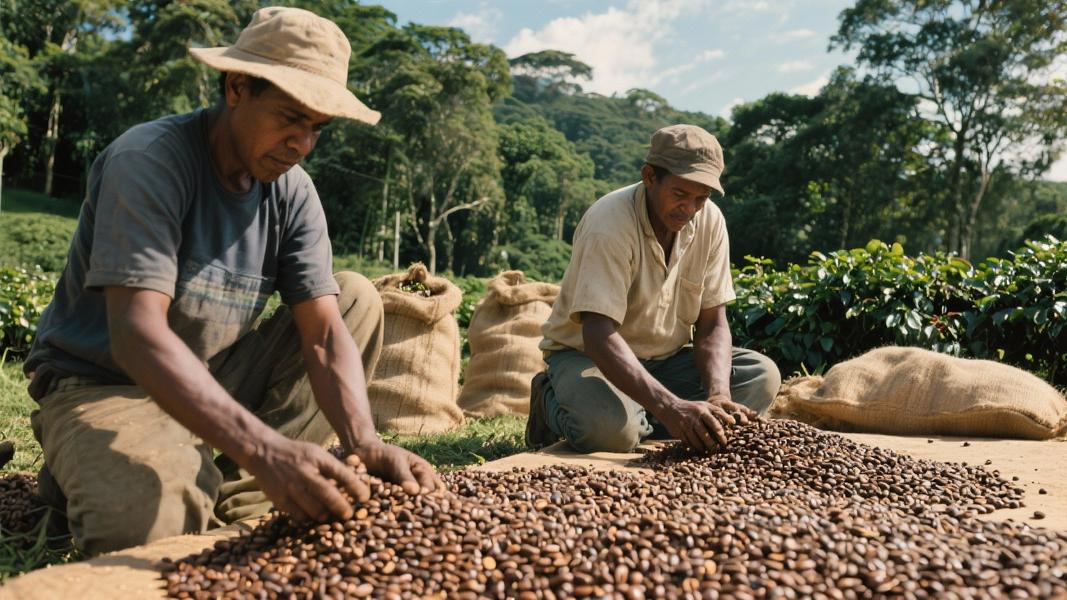
Brazilian coffee, beef, and tropical fruit exporters won’t be celebrating just yet. Despite recent tariff adjustments from the Trump administration, these key Brazilian exports still face a hefty 40% tariff when entering U.S. markets, the country’s Vice President Geraldo Alckmin confirmed.
The partial relief came as President Donald Trump removed a 10% tariff originally imposed in April, but the more substantial 40% duty implemented in July remains firmly in place. This selective approach has created what Alckmin describes as a “distorted” tariff landscape for Brazilian goods heading to American shores.
“Everyone got 10% less, but in Brazil’s case, which had 50%, we ended up with 40%, which is very high,” Alckmin told journalists after the announcement. The adjustment means that while some products enjoy complete relief, others remain burdened by significant trade barriers that could impact both Brazilian producers and American consumers.
Political Motivations Behind Trade Decisions
The original tariffs weren’t just about economics. When Trump imposed the additional 40% duty in July, he cited political reasons — including what he called a “witch hunt” against his ally, former Brazilian President Jair Bolsonaro. This blending of trade policy with political alliances has complicated what might otherwise be straightforward economic decisions.
Orange juice producers can breathe easier, as their product now enters the U.S. duty-free following the recent adjustments. But for coffee, beef and tropical fruits like mangos and pineapples? The 40% additional tariff continues to apply, creating significant challenges for these export sectors.
The impact on beef has been particularly dramatic. A combination of tariffs had pushed duties as high as 76% on Brazilian beef imports to the United States starting in early August, which cut those volumes in half. While the recent 10 percentage point reduction offers some relief, substantial barriers remain.
Consumer Concerns Drive Partial Relief
Why roll back any tariffs at all? Record-high beef prices in the U.S. have become a political liability, and Trump’s administration has indicated it intends to take action to lower them. The tariffs on Brazil, a major beef exporter, have been recognized as a contributing factor to those high prices.
What does this mean for everyday Americans? While the 10% reduction might help marginally, the persistence of the 40% tariff suggests that significant price relief for consumers might remain elusive.
The changes do represent modest progress for overall trade relations. Alckmin noted that following the adjustments, 26% of Brazilian goods now enter the U.S. without additional tariffs, up from 23% before the changes — a small but welcome improvement in the trade relationship.
Brazilian industry representatives are watching developments closely. “We will keep working to ensure legal certainty, competitiveness, and predictability for the Brazilian coffee industry,” said Pavel Cardoso, president of the Brazilian Association of the Coffee Industry, in a statement that suggests the industry sees this as just one step in an ongoing process.
For now, the partial tariff relief offers a mixed blessing — a gesture of goodwill, perhaps, but one that leaves intact significant barriers for key sectors of Brazil’s export economy. As both countries navigate this complex trade relationship, Brazilian producers must continue operating under the shadow of tariffs that remain stubbornly high.
