
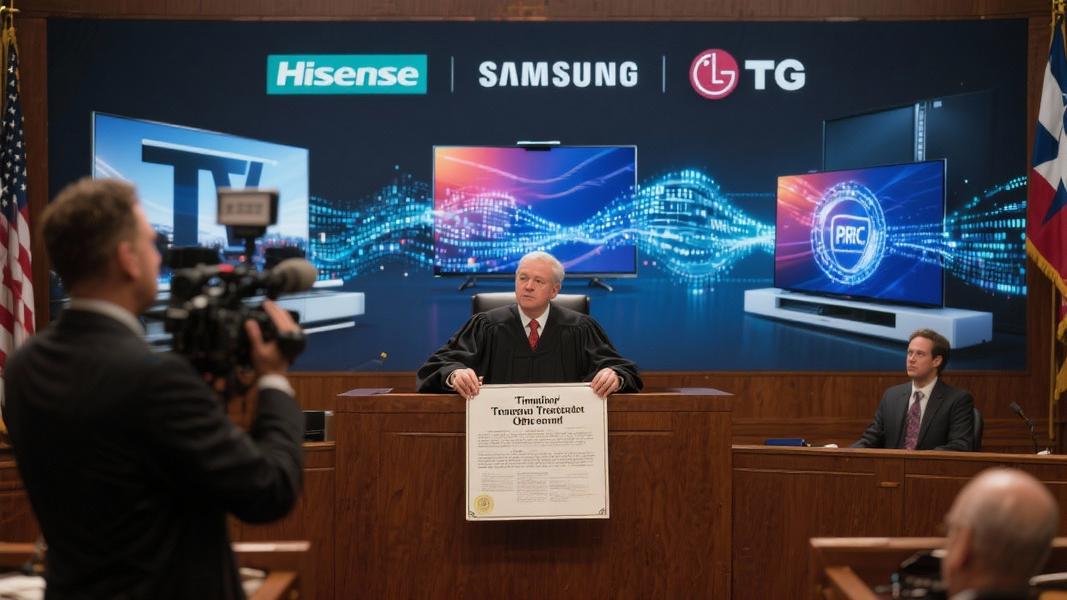
Texas Attorney General Ken Paxton has struck a blow against what he describes as Chinese surveillance of American consumers, securing a temporary restraining order against electronics giant Hisense that blocks the company from collecting or sharing television viewing data from Texans.
The order specifically targets Automatic Content Recognition (ACR) technology, which can track what viewers watch on their smart TVs and then share that information with third parties. “The days of Chinese tech companies spying on Americans’ televisions are over,” Paxton declared in a statement accompanying the legal action, framing the issue as both a privacy concern and a matter of national security.
Wait, your TV might be watching you? That’s essentially what ACR technology enables, scanning pixels on your screen and matching them to a database of known content to determine exactly what you’re viewing — whether it’s streaming services, cable programs, or even DVDs. This data can then be packaged and sold to advertisers or other third parties.
Privacy in the Living Room
The restraining order comes as part of a broader lawsuit Paxton’s office has filed against several smart TV manufacturers. Hisense, which sells televisions under its own brand as well as under licensed names like Roku TV, is a major player in the U.S. electronics market despite being headquartered in Qingdao, China.
Critics have long raised concerns about the privacy implications of smart TVs. Unlike smartphones, which typically request permission before accessing sensitive features, many smart TVs enable data collection by default during setup processes that consumers often click through without careful reading.
“When Texans buy a television, they don’t expect to invite a Chinese company into their living room to record their viewing habits and sell that information,” Paxton added. His office claims that Hisense failed to adequately disclose the extent of its data collection practices to consumers.
The case highlights the increasingly blurry line between consumer electronics and surveillance tools. Smart TVs, refrigerators, thermostats, and other connected home devices have transformed ordinary households into data-generating hubs, often with minimal transparency about what information is collected or how it’s used.
Corporate Response
Hisense hasn’t yet issued a comprehensive public response to the restraining order. The company has previously maintained that its data collection practices comply with all applicable laws and that information gathered helps improve user experience and content recommendations.
Industry analysts note that ACR technology isn’t unique to Chinese manufacturers — American companies like Vizio have previously faced legal challenges over similar practices. What sets this case apart is Paxton’s explicit framing of the issue as foreign surveillance rather than just corporate overreach.
The temporary restraining order will remain in effect until a court hearing can determine whether to issue a more permanent injunction against Hisense’s data collection practices in Texas.
For consumers concerned about their own smart TV privacy, experts recommend reviewing settings menus for options labeled “viewing data,” “content recognition,” or “interest-based advertising” — though the specific terminology varies by manufacturer.
As our homes become increasingly connected, the battle between convenience and privacy shows no signs of resolution. Your new smart TV might offer thousands of streaming options and crystal-clear picture, but it might also be taking notes on what you’re watching tonight.
