
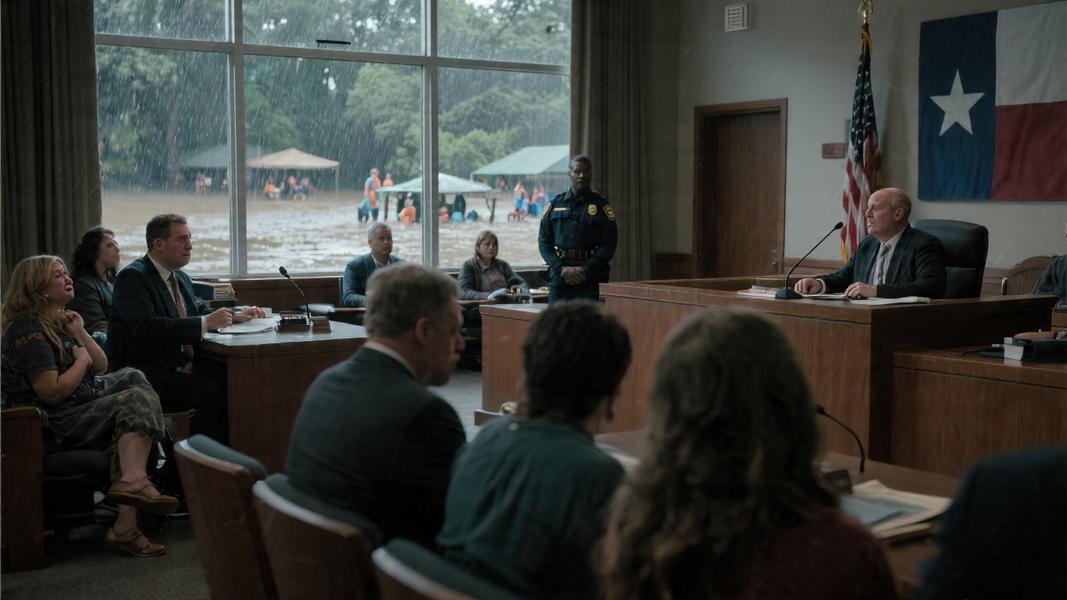
Twenty-seven people died at a Texas summer camp last July. Now, the question hanging over a Travis County courtroom is whether that same camp should be allowed to open its gates again this summer.
A three-day evidentiary hearing concluded on April 15, 2026, in Austin, centering on the civil lawsuit filed against Camp Mystic — the Kerr County overnight camp where floodwaters surged on July 4, 2025, killing 25 young girls and two counselors. A judge is now weighing testimony about what staff knew, when they knew it, and whether the camp’s preparation and evacuation response were anywhere close to adequate. The stakes couldn’t be more concrete: the ruling could determine whether Camp Mystic reopens at all this summer.
Three Days, Three Families, One Courtroom
The hearing drew testimony from multiple witnesses, but it was the appearance of three members of the Eastland family that gave observers what one account described as the clearest picture yet of what unfolded on that catastrophic Fourth of July. Their testimony painted a scene of chaos — and, according to plaintiffs, of preventable tragedy.
The lawsuit itself was brought by the parents of Cecilia “Cile” Steward, an 8-year-old who remains among the missing. The final day of testimony on April 15 zeroed in on three specific threads: the camp’s storm preparation ahead of the flood, its real-time response once waters began rising, and — perhaps most pointedly — how evidence was handled in the aftermath. That last point, evidence preservation, is the kind of detail that tends to make plaintiffs’ attorneys sit up a little straighter in their chairs.
What the Camp Knew — And When
Inadequate preparation. Delayed evacuation. Those phrases appeared repeatedly throughout the proceeding, according to reporting on the director’s testimony. The central allegation isn’t simply that a flood happened — floods happen. It’s that staff weren’t ready, and that when the moment came to move children to safety, something went wrong in the response.
How bad was the delay? That’s precisely what the judge is trying to determine. Testimony from camp leadership was scrutinized for any indication that warnings were available and either missed or dismissed. Texas weather that weekend was severe, but forecasts had flagged significant rainfall in the Hill Country region. Whether Camp Mystic acted on those warnings — or failed to — is at the heart of the legal dispute.
A Judge Holds the Summer in His Hands
Still, the immediate legal question isn’t about criminal liability. It’s about whether the camp poses an ongoing risk to children — and whether it’s appropriate for it to operate while litigation is active. A judge is now weighing exactly that, with families on one side and camp operators on the other, both making their case for what justice — and safety — looks like going forward.
Camp Mystic has operated in the Texas Hill Country for decades, a storied institution with deep roots in the state’s summer camp culture. That history doesn’t insulate it from scrutiny. If anything, the camp’s long reputation may make the allegations feel more jarring to families who sent their daughters there trusting that the experience would be safe. That trust is now the subject of a lawsuit.
Families Still Waiting
For the parents of Cile Steward — still searching for their daughter — the courtroom proceedings are only one dimension of a grief that has no clean resolution. The hearing may produce legal findings. It won’t produce answers to the questions that matter most to a parent.
The judge is expected to issue a ruling in the coming weeks. Whatever he decides, the summer of 2026 will unfold in the shadow of the summer before — and for 27 families, no court order changes that math.
