
A Dallas police corporal is facing criminal charges after allegedly fleeing a traffic stop tied to a prostitution solicitation — and he’s far from the only officer in the department with that kind of trouble on his record.
Corporal Joshua Gonzalez, a nearly 16-year veteran assigned to the Criminal Intelligence Division, surrendered on April 14, 2026, to a warrant for evading arrest in a motor vehicle. The charge stems from an incident on October 8, 2025 — months before anyone outside law enforcement apparently knew about it. The case is now raising uncomfortable questions about accountability inside one of the country’s largest police departments.
What Happened on Shady Trail
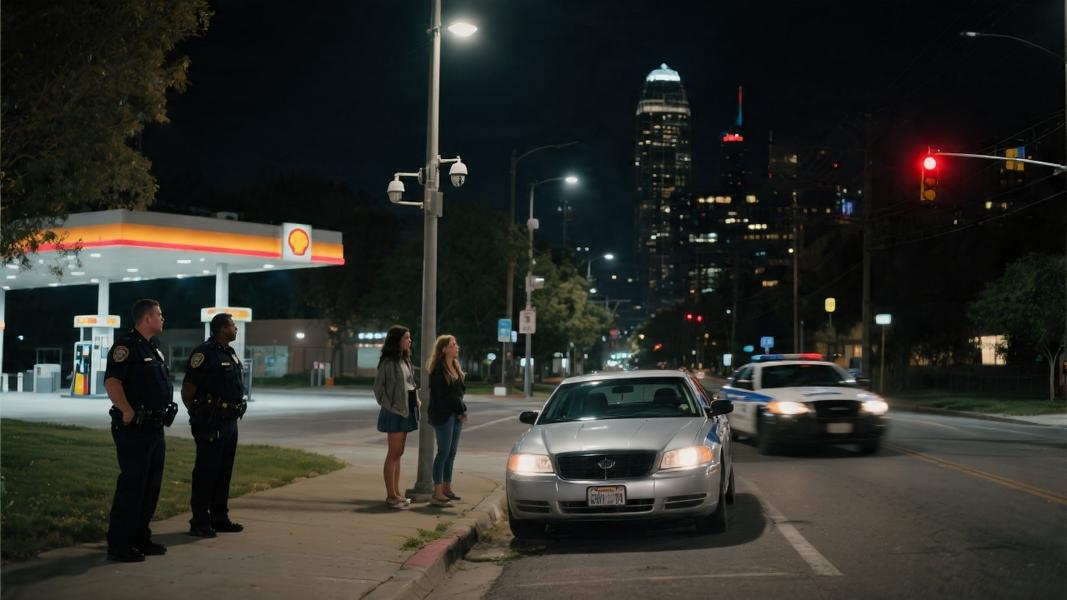
It was nearly 11 p.m. on a Wednesday when officers spotted Gonzalez’s city-registered sedan idling along Shady Trail in northwest Dallas, appearing to solicit two women for prostitution. When officers moved in for a traffic stop, Gonzalez ran a red light and sped away. He’d been with the department since August 2010. The car he was driving? Registered to the city of Dallas. That detail, more than anything, has stuck with observers following the case. reported CBS News Texas.
It took more than six months — from October to April — for Gonzalez to formally surrender to the warrant. The Dallas Police Department has not publicly detailed what, if anything, happened to his employment status in the interim.
A Broader Problem in Northwest Dallas
Here’s the thing: Gonzalez’s alleged conduct didn’t happen in a vacuum. Around the same stretch of northwest Dallas, police had already been running a targeted enforcement operation aimed squarely at men soliciting prostitution. The sweep netted 30 arrests — more than two dozen men caught in an area east of I-385, according to footage from the department’s own announcements. Thirty men. In one operation. In one part of the city.
That context makes Gonzalez’s alleged behavior all the more striking. Officers were actively working that corridor. His department knew the area. And still, if the warrant is accurate, a corporal in the Criminal Intelligence Division was out there doing exactly what his colleagues were arresting civilians for.
Not the First. Not the Last.
Gonzalez isn’t an isolated case inside DPD — not even close. Senior Corporal Marqueon Skinner was fired by then-Chief David Brown after being charged in a separate prostitution case involving an online meeting, detailed a prior CBS News investigation. That case drew its own round of public scrutiny, and it clearly didn’t end the pattern.
Still, the problem isn’t confined to Dallas proper. Three men — including former members of the Godley Police Department — were separately arrested on charges related to both promoting and soliciting prostitution, noted Fox 4 News. Law enforcement officers. Multiple agencies. Overlapping misconduct. It’s a pattern that’s hard to dismiss as coincidence.
What It Means for the Department
For a department that has spent years working to rebuild public trust — through community policing initiatives, oversight reforms, and high-profile leadership changes — cases like this land like a gut punch. The Criminal Intelligence Division, where Gonzalez worked, is not a patrol unit. It handles sensitive investigative work. The idea that someone in that role was allegedly soliciting prostitution in a city vehicle, then fled law enforcement, is the kind of thing that’s difficult for any department spokesperson to contextualize away.
Gonzalez has not been convicted of any crime. The evading arrest charge is, at this stage, an allegation. Due process matters, and it would be wrong to treat a warrant as a verdict. That said, the underlying incident — an officer, a city car, a late-night stop, and a flight from police — is documented enough to demand answers regardless of how the case ultimately resolves.
When the people writing the arrest reports are the ones getting arrested, it doesn’t just raise legal questions. It raises something harder to quantify: the question of what, exactly, the badge is supposed to mean.
