
A seven-year-old girl suffered before she died. A jury is now deciding whether the man who killed her deserves to die too.
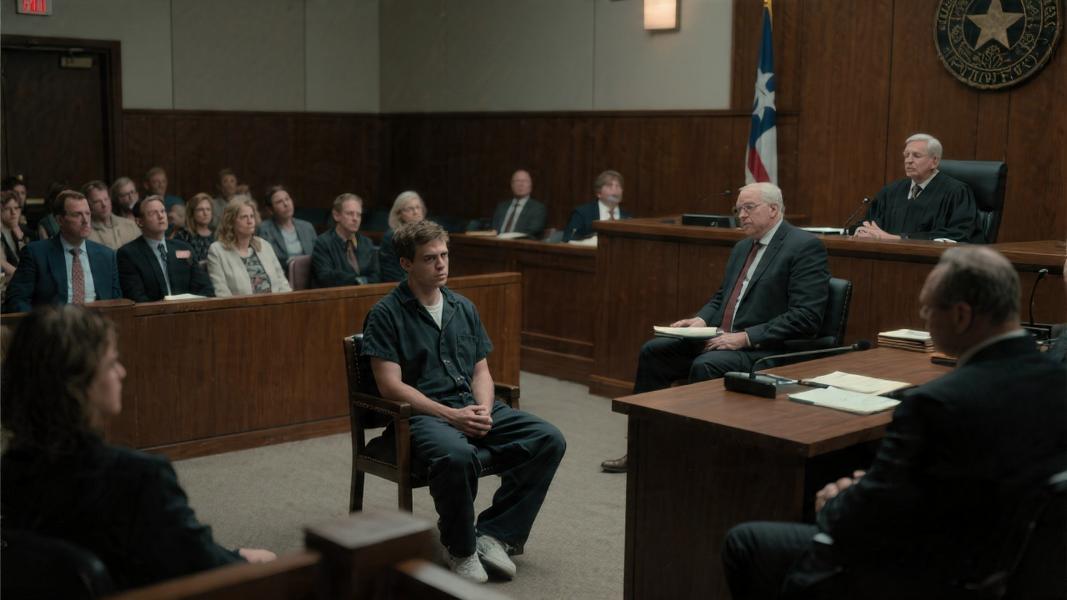
The capital murder trial of Tanner Horner — the former FedEx driver charged with kidnapping and killing Athena Strand in November 2022 — entered some of its most harrowing testimony this week, as jurors heard from a medical examiner, a speech-language pathologist, a neuroscientist, and even Horner’s own mother. The picture they painted, collectively, was complicated. The facts of the crime were not.
What Happened to Athena
Horner told investigators that he struck Athena with his delivery van near her home in Paradise, Texas, then panicked. What followed, by his own account, was not an accident. He attempted to break her neck. When that didn’t work, he strangled her with his bare hands inside the FedEx vehicle, according to reporting on the trial proceedings.
Medical examiner Dr. Jessica Dwyer confirmed the brutal reality of those final moments. She testified that Athena died from a combination of blunt force injuries, smothering, and strangulation. When a prosecutor asked directly whether the child suffered, Dwyer’s answer was brief and devastating: “Yes, I think she did.”
A Defense Built Around a Life of Damage
The defense’s strategy has been to contextualize Horner — not excuse him, but explain him. And the witnesses they’ve called this week have offered a portrait of a young man whose neurological and developmental challenges were, by almost any measure, severe.
A speech-language pathologist identified only as Beth, who worked with Horner during seventh grade, testified about his diagnosis with Asperger’s syndrome, a form of autism. She described someone who struggled with social cues, emotional regulation, understanding boundaries, and — perhaps most relevant to the chaos of that November afternoon — adapting to anything unexpected. “You throw something out of the ordinary into his daily schedule and he’s off,” she testified. “He can’t, can’t adjust to it quickly.”
She also noted he’d been bullied, which fed into a pattern of anger. But Beth was careful — pointedly careful — about what she was and wasn’t saying. When asked whether Horner’s autism was a reason, justification, or defense for what he did to Athena Strand, she shut that door immediately. “No. No, no, no.” What she did believe, she said, was that “this young man should have never been in that truck by himself.” That’s a damning statement about FedEx’s hiring and oversight practices — and a separate legal matter that may yet have its day in court.
Lead Poisoning and Early Exposure
Then came the science. Dr. Aaron Specht of Purdue University testified that bone-lead tests revealed Horner’s lead levels were approximately 33,000 micrograms — nearly 24 times higher than average for his peers. Researchers believe the likely cause was Horner eating coins as a child, a behavior sometimes associated with developmental disorders. The neurological damage from that level of lead exposure, Specht testified, would have been significant.
Horner’s mother took the stand as well, disclosing that she had struggled with substance abuse during the early stages of her pregnancy with him. It’s a detail the defense clearly wants the jury to hold alongside everything else — the lead poisoning, the autism, the bullying — as they weigh whether to recommend a death sentence. And yet even she couldn’t find it in herself to defend what her son did. Through tears, she said, “I’m so mad at him. I want to just tear his a– up. She was just a baby.”
Mitigation vs. Justification
Here’s the tension at the center of this trial. None of this — the autism, the lead poisoning, the chaotic upbringing — is being offered as a reason Athena Strand deserved what happened to her. No one is arguing that. What the defense is arguing is that the state should not execute a man whose brain, from early childhood, was being quietly poisoned and rewired in ways he never chose and never understood.
Prosecutors, meanwhile, are focused on what Horner did after the initial impact. Hitting a child with a vehicle could, in some universe, be an accident. Strangling her with your bare hands when she survives cannot be. That’s the line they’re drawing, and it’s a hard one to argue around.
The trial continues, and closing arguments are expected soon. Whatever the jury decides, the testimony this week made one thing impossible to forget: a little girl spent her last moments in the back of a delivery van, and the man who put her there has already admitted it.
As Beth, the speech pathologist, put it — she wasn’t in that truck. But somebody should have been.
