
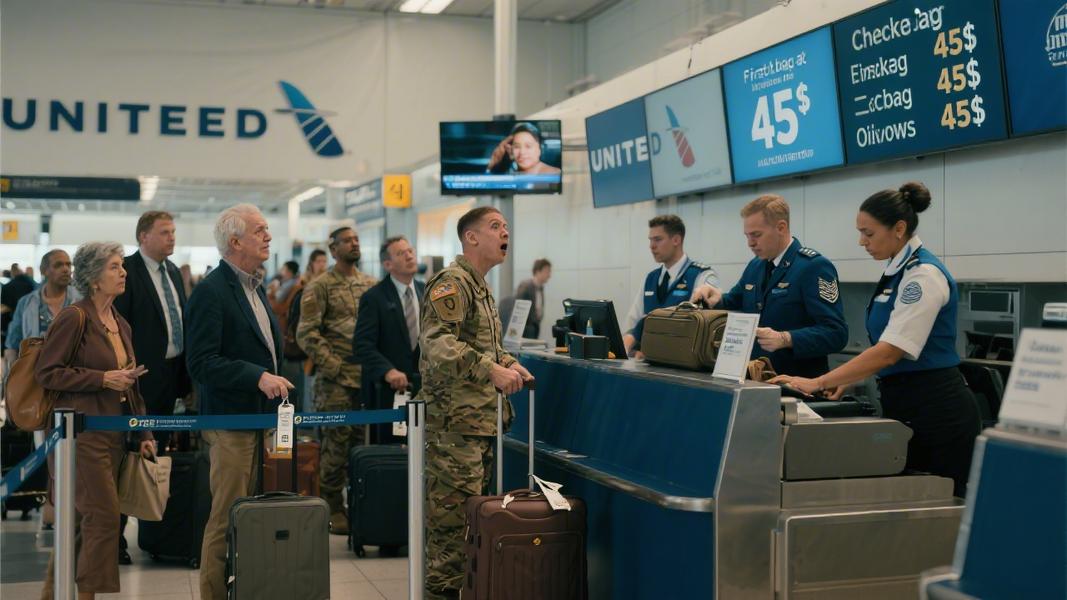
Flying with luggage just got more expensive — again. United Airlines announced this week that it’s raising checked bag fees by $10 across the board for flights within the U.S., Mexico, Canada, and Latin America, the latest in a string of airline fee hikes that’s been quietly draining travelers’ wallets.
Here’s what that looks like in practice: the first checked bag will now run $45 if paid in advance, or $50 if you wait until within 24 hours of departure. A second bag will cost $55 prepaid, or $60 at the last minute. For families hauling luggage across the country, those numbers add up fast. This is United’s first baggage fee increase in two years, and it’s landing at a moment when travelers are already feeling the squeeze at every step of the airport experience.
Who Gets Hit — and Who Doesn’t
Not everyone will feel the pinch equally. The new rates apply only to tickets purchased on or after Friday, April 3, so if you booked before that date, you’re in the clear — for now. And as United noted, “United Chase credit card holders, MileagePlus Premier members, active military members and customers traveling in premium cabins can still check a bag for free.” So there are carve-outs. They’re just not for most people.
That’s the catch. The exemptions reward loyalty program members and premium flyers — the passengers who were probably already getting a decent deal. Economy travelers on a budget, booking a basic fare for a quick domestic trip, are the ones who’ll notice the difference most. United does offer a calculator on its website to help passengers estimate costs based on their specific route and whether they prepay — a small convenience in an otherwise frustrating situation.
Why Now?
United isn’t exactly operating in a vacuum here. The airline is following JetBlue, which raised its own checked bag fees not long ago, citing rising operating costs. The broader industry pressure is real and, by most accounts, intensifying. Fuel prices have surged sharply in recent weeks, driven by escalating tensions surrounding the Iran conflict and the closure of the Strait of Hormuz. Brent crude climbed 7.7% to $109 per barrel, while U.S. crude jumped 11.9% to $111.81 — the kind of spike that makes airline CFOs sweat.
United CEO Scott Kirby didn’t sugarcoat it. He told CBS News that elevated oil prices create “a lot of stress” for airlines, adding that United’s own airfares have already climbed 15% to 20% over the past month. So the bag fee hike isn’t happening in isolation — it’s part of a broader cost-of-flying surge that passengers are absorbing from multiple directions at once.
The Fine Print Worth Knowing
Still, there are ways to soften the blow. Prepaying for checked bags more than 24 hours before a flight locks in the lower rate and, as United explains, can save time at the airport by streamlining the check-in process. On some routes, the prepay discount is meaningful enough to be worth the planning ahead. It’s not a solution, but it’s something.
For travelers who fly United regularly and haven’t yet looked into the airline’s co-branded credit card or elite status tiers, now might be the time. The fee structure, as detailed in recent coverage, increasingly rewards those embedded in the loyalty ecosystem — and punishes those who aren’t. That’s been the direction of travel across the industry for years, and this latest hike only sharpens the divide.
How bad does it get from here? Consumer advocates have been warning for years that ancillary fees — bags, seat selection, priority boarding — have become a structural revenue pillar for major carriers, not a temporary measure. When fuel costs spike, fees follow. And they rarely come back down when fuel stabilizes.
For now, United passengers booking new tickets should budget accordingly. That “cheap” fare you found online might not look quite so cheap once you factor in the bag you were planning to bring.
